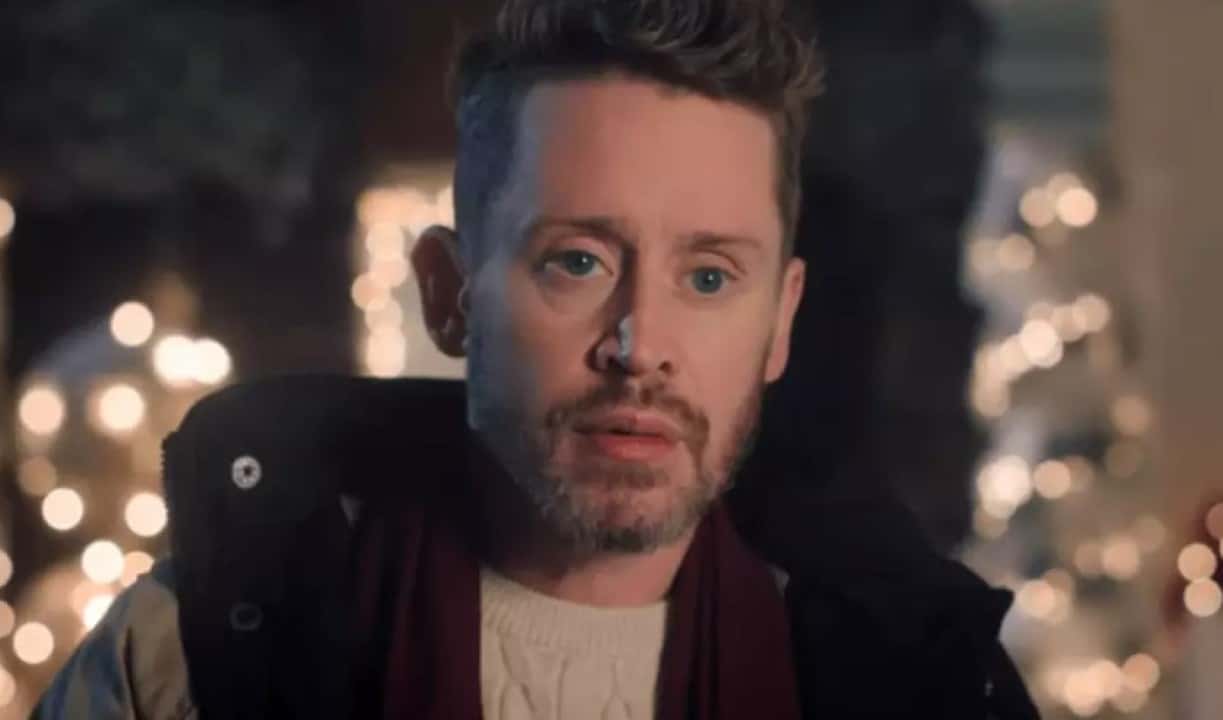
Macaulay Culkin confronts childhood trauma through intentional parenting choices, breaking old patterns
Actor Macaulay Culkin, 45, is deliberately reshaping his approach to fatherhood, emphasizing affirmation and affection to break negative generational patterns from his own challenging upbringing. The star, globally recognized for his role as Kevin McCallister in the “Home Alone” films, has publicly shared his commitment to showering his children with pride, a sentiment he rarely experienced as a child. This conscious effort underscores a broader conversation about the lasting impact of early life experiences on adult relationships and parenting styles.

Culkin’s candid reflections highlight the profound influence a parent’s words, or lack thereof, can have on a child’s development and self-worth. His decision to actively express love and pride marks a significant departure from the emotional landscape of his own youth. By doing so, he aims to cultivate an environment where his sons, Dakota and Carson, feel secure, valued, and understood.
The actor, who shares Dakota, four, and Carson, three, with actress Brenda Song, recently discussed these personal insights on the program “Mythical Kitchen.” His dialogue shed light on how deep-seated family dynamics and unaddressed traumas can persist across generations, influencing individual behavior and familial bonds for decades.
Prioritizing affirmation in parenting
A foundational aspect of Culkin’s parenting philosophy revolves around the deliberate use of the word “pride.” He articulates that this particular word was markedly absent from his vocabulary during his own formative years. Consequently, he has made a conscious decision to integrate it frequently into daily interactions with his children.
This intentional linguistic choice aims to create a stark contrast with his past, fostering an environment where his children regularly receive positive reinforcement. By vocalizing his pride, Culkin endeavors to instill a strong sense of self-esteem and worth in his sons, ensuring they grow up feeling genuinely appreciated and loved.
A father’s supportive embrace
One poignant episode involving his eldest son illustrated this new family dynamic. During a recent recital, Culkin recounted how his son became overwhelmed immediately after the curtain opened, breaking into tears and exiting the stage. This vulnerable moment provided a critical opportunity for the actor to enact his parenting philosophy.
Instead of expressing disappointment or frustration, Culkin quickly went to his son, embracing him. His immediate response was one of unwavering support and affirmation. He gently told his child, “Dude, I’m so proud of you. You were so brave to get up there like that.”
This interaction underscored his commitment to valuing effort and courage over flawless performance. It demonstrated a profound shift from a results-oriented approach to one that prioritizes emotional safety and validates a child’s bravery in challenging situations.
Confronting lifelong generational patterns
Culkin’s commentary on generational trauma during his interview extends beyond personal anecdotes, touching upon the broader societal implications of childhood experiences. He articulated how unresolved issues from one generation can inadvertently be passed down, impacting the emotional and psychological well-being of subsequent family members. This understanding has fueled his conscious effort to interrupt such cycles within his own household.
By actively working to provide his children with a more affectionate and supportive upbringing, he is not merely correcting past deficiencies but deliberately constructing a new legacy. This deliberate re-patterning involves constant vigilance and a commitment to open communication, ensuring that his sons grow up without the emotional scars he endured. His appearance served as a platform to advocate for a more empathetic and understanding approach to family life, emphasizing the power of breaking free from inherited pain.
Severing ties for his children’s well-being
Central to Culkin’s narrative is his long-standing estrangement from his 80-year-old father, Kit Culkin, who also managed his early career. Macaulay has maintained a firm boundary, stating he has had no contact with his father for 30 years, a decision he views as essential for protecting his own children. He emphasized that none of Kit’s seven children or five grandchildren maintain a relationship with him, signaling a collective detachment from a problematic past.
The actor’s resolve is rooted in a desire to shield his sons from any potential negative influence or emotional baggage associated with his father. He explicitly stated his intention to prevent “his sins” from affecting his own wonderful children. This protective instinct guides his decision to keep a significant distance from his biological father.
Culkin sees no pathway for reconciliation, underscoring the finality of their fractured relationship. He starkly indicated that his father would likely “die alone,” and that he would view this outcome as deserved. This unyielding stance highlights the depth of the issues and the irreversible nature of the emotional chasm between them.
Navigating fame and family dynamics
Growing up as a global child star often brings unique complexities that intertwine with family dynamics, sometimes creating an environment ripe for emotional challenges. The intense public scrutiny and immense financial pressures associated with early fame can strain parental relationships and blur the lines between professional management and personal care. Many child actors grapple with their identity and autonomy, often feeling a lack of control over their careers and lives during formative years.
The psychological toll of such an upbringing frequently manifests in adulthood, with individuals often recounting difficult relationships with parents who were also their managers, or struggling with the transition out of the spotlight. Culkin’s experiences mirror those of others who found fame at a young age, demonstrating how these unique circumstances can contribute to profound generational shifts in parenting priorities.
Building a foundation of emotional security
Ultimately, Macaulay Culkin’s journey represents a conscious and determined effort to build a new family legacy rooted in emotional security and open affection. He is committed to providing his sons with the words of encouragement and unconditional love that were largely absent from his own childhood. His deliberate parenting choices aim to foster resilient, confident, and emotionally well-adjusted individuals, ensuring his children experience a supportive upbringing.
Macaulay Culkin, parenting, childhood trauma, generational patterns, celebrity parenting
