

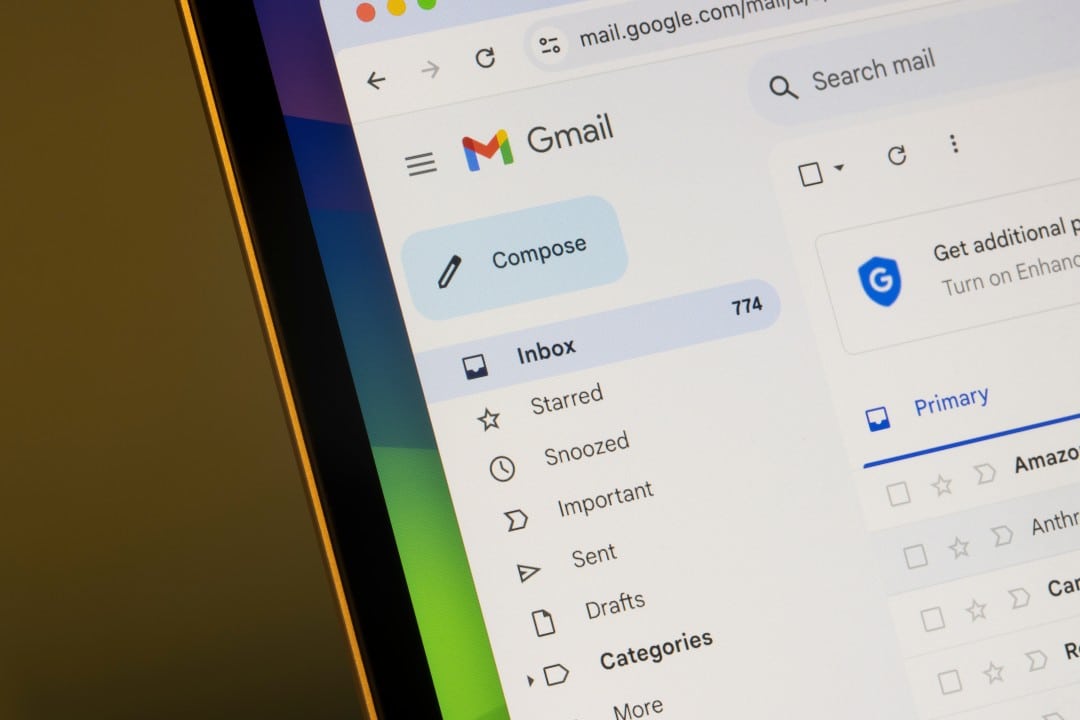
Google has started implementing a historical feature that will allow Gmail users to change their primary email addresses without having to create a new account from scratch. Até At the time, this possibility was restricted only to accounts linked to external domains, forcing users of the free service to maintain usernames created many times years ago. The technology giant confirmed that the process will be gradual and aims to offer more flexibility for those who want to professionalize or update their digital identity on the platform.
The news was detailed on the company’s support pages and marks a significant change in the account management policy that has been in effect since the launch of the service. Anteriormente, the only way to obtain a new @gmail.com address was to open a virgin account, which created the inconvenience of managing multiple logins or carrying out complex data migrations. With the new tool, the user will be able to make the change directly in the profile settings, maintaining the entire file structure and linked services.
Key points of the update include:
- Possibility to change the username while maintaining the official suffix @gmail.com;
- Full maintenance of Google Drive messages, contacts and files in the current account;
- Automatic linking of the old address to the new to avoid loss of important communications;
- Initial availability limited to specific languages before final global expansion.
Gradual rollout and regional availability of the new feature
The release process for this tool follows the standard Google schedule for major infrastructure updates, starting with specific markets for stability testing. Atualmente, detailed instructions and active functionality have been identified on Hindi-language support pages, indicating that Índia is one of the first territories to experience the new feature. Especialistas indicate that this initial phase is to monitor possible synchronization conflicts before the change button appears for the global base of billions of users.
Even with the momentary geographic restriction, the expectation is that the resource will be taken to Américas and Europa over the next semester. The official recommendation is that users monitor the Conta control panel of Google, specifically in the personal information and email section. Quando released, the option will appear as an editable link next to the main address, allowing the transition to begin in a simplified way and guided by the system interface.
Usage rules and limits for exchanging addresses
The company has established strict guidelines to prevent abuse of the system and ensure the security of registered users’ digital identities. Cada account holder may make a maximum of three address changes throughout the lifetime of the profile, totaling four different possible combinations. Essa limitation aims to prevent the functionality from being used for spam practices or to hide identities in malicious activities on a recurring basis.
In addition to the quantitative limit, there is an important time limit that must be observed by all those interested in migration. Após makes a change, the user will be prevented from modifying or deleting the new address for a mandatory period of 12 months. Essa rule ensures the stability of Google Agenda records and other integrated services that depend on a fixed identifier to function correctly without technical interruptions.

Inbox operation and automatic redirection
One of users’ biggest fears when switching emails is the loss of messages sent by contacts who still only have the old address. Google resolved this issue by determining that the original address will continue to function permanently as an alias, or nickname, of the main account. Isso means that any email sent to “old_name@gmail.com” will be delivered normally to “new_name@gmail.com” inbox, with no extra configuration required.
The integration ensures that login can be carried out with any of the addresses linked to the account, facilitating the transition for those who are in the habit of accessing the service automatically. Todas Security, passwords, and two-step authentication settings remain unchanged during and after the name change. The user will have the freedom to choose which of the addresses they wish to use as the default sender when composing new messages for their recipients.
Security and uniqueness of changed usernames
Protection against identity theft is a central pillar of this new functionality, which is why Google decided that old addresses will not be released for new registrations. Mesmo If a user decides to change their email, the previous name will remain forever linked to their original profile, preventing third parties from creating an account with that term. Essa measure is essential to prevent someone else from receiving emails intended for the former owner or trying to impersonate him on external services.
In technical terms, the change reflects a modernization of the Google database, which can now dissociate the display name from the account’s unique identifier. Serviços legacy items, such as calendar invites created years ago, may still display the old address in their metadata to preserve the historical integrity of the events. The platform prioritizes service continuity, ensuring that the user experience is fluid and that the transition does not cause errors in third-party applications that use “Login with Google”.
Instructions for checking functionality in the control panel
To find out if the account is already eligible for the change, the interested party must access the security and personal data settings within the Google ecosystem. Dentro of the section titled “Contact Information”, the email field must be selected to open the advanced account properties. If the feature is already available for the profile in question, an edit icon or an informational message about changing the address will be displayed just below the main email.
If the option is not yet visible, there is no need to contact technical support, as the release occurs via the server in an automated manner. Google emphasizes that company profiles linked to Google Workspace have different rules and should consult their local IT administrators. The novelty described focuses primarily on users of personal accounts, who make up the vast majority of users of the electronic mail service around the world.