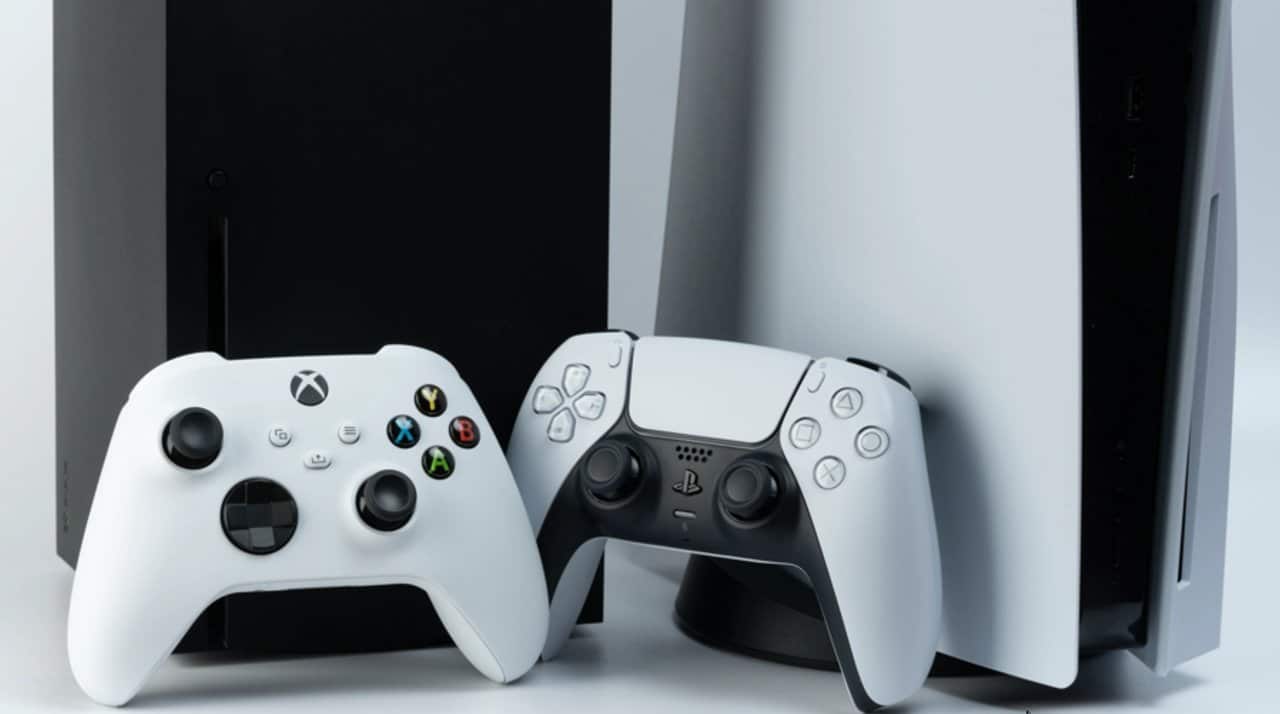
The RAM memory crisis, driven by high demand for components for artificial intelligence data centers, could directly impact Sony and Microsoft’s plans for the next consoles. Fabricantes like Samsung, Micron and SK Essa situation led companies to discuss internally the possibility of postponing the launch of the PlayStation 6 and the new generation of Xbox, originally scheduled for the 2027-2028 window.
Reports indicate that the postponement would allow time to expand the RAM production infrastructure, with prices expected to normalize in the following years. The shortage has persisted since the end of 2025 and is expected to last until at least 2027, according to market analyses. Enquanto this, sales of current consoles fall, with the Xbox Series X/S registering a sharp decline and the PlayStation 5 maintaining more stable performance.
Impact on the production chain
The priority allocation of memory to AI projects creates bottlenecks in the manufacturing of components for consoles. Empresas like Sony and Microsoft rely on global suppliers who face pressure to meet growing demands for hyperscalers. Essa reorientation of production capacity increases costs and compromises launch schedules.

Reports indicate that RAM module prices have risen by hundreds of percent in recent months. Fabricantes of consoles have traditionally subsidized hardware with game sales, but high RAM costs make this strategy difficult. The situation may force adjustments in specifications or price increases in current models.
Perspectives for current consoles
The PlayStation 5 continues to sell well, which gives Sony room to extend the generation’s life cycle. The Microsoft faces greater challenges, with sales of the Xbox Series X/S falling, which increases the pressure to launch new hardware. However, the RAM crisis could complicate any acceleration plans.
Recent increases in the prices of current consoles, driven by tariffs and economics, are already impacting the market. A further surge due to memory would worsen the decline in hardware sales, which reached lows in 2025. Fabricantes consider absorbing part of the costs, but this depends on the duration of the shortage.
Internal debates and strategies
Sony and Microsoft evaluate options to mitigate the effects of the crisis. A strategic postponement would avoid launches with inflated prices or limited production. Analistas indicate that the extra time would allow RAM vendors to increase capacity, reducing costs for the next generation.
Mark Cerny, chief architect at PlayStation, mentioned advances in graphics technologies for future consoles, without details on dates. Collaboration with AMD continues, focused on innovations that can benefit from more affordable components. Microsoft also plans premium hardware, but faces similar restrictions.
Possible consequences for the market
The shortage affects not only new consoles, but also current models like the PS5, Xbox Series X/S and Nintendo Switch 2. Higher Preços could reduce demand at a time of weak sales. A delay would extend the current-gen cycle, benefiting players with more time to explore existing titles.
Memory makers expand factories, but construction takes time. Demand for AI remains high, keeping pressure on supply. Especialistas predict that normalization will occur gradually from 2027 or 2028.
