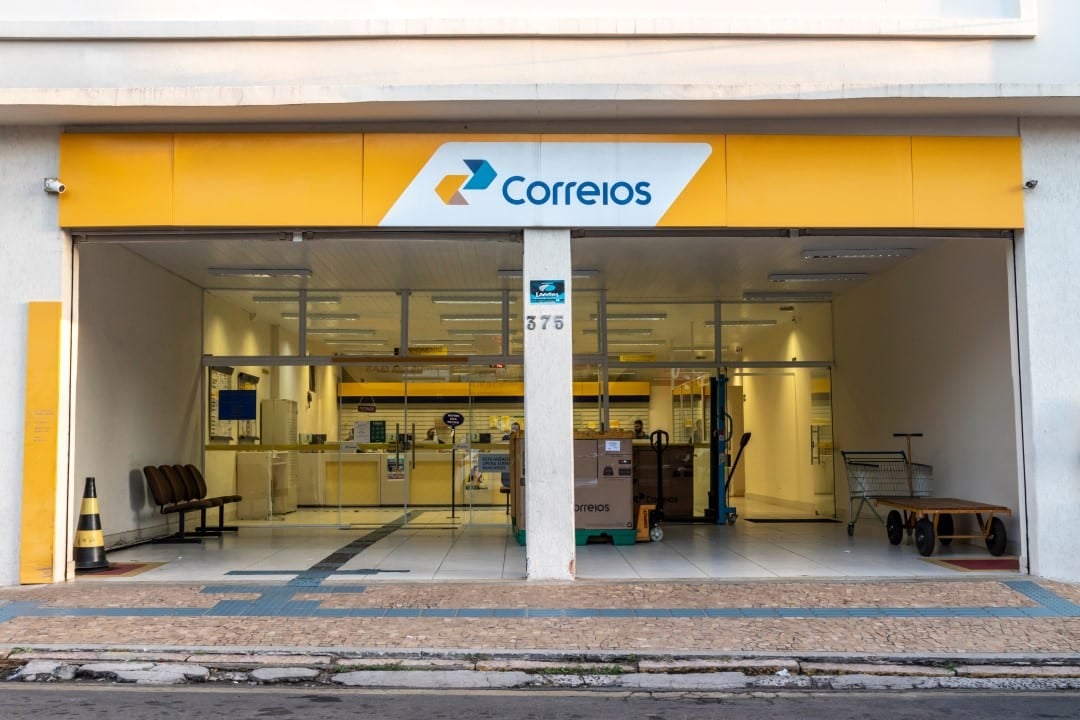
Brazil’s Correios privatization: Expert calls move natural amid severe financial and competitive challenges
The privatization of Brazil’s state-owned postal service, Correios, represents the most logical progression for the struggling entity, according to a leading economic specialist. This assessment directly challenges ongoing governmental efforts to maintain the company under state control, despite a litany of persistent financial and operational difficulties that hinder its sustainability. The expert contends that fundamental structural issues demand a radical transformation beyond incremental adjustments.
Gesner Oliveira, a distinguished professor at Fundação Getúlio Vargas (FGV), managing partner at GO Associados, and a recognized financial columnist, has articulated strong reservations regarding the continued state ownership of Correios. His analysis highlights a significant disconnect between the company’s entrenched operational model and the dynamic demands of a modern logistics market. Oliveira argues that the core problems are too deep-seated for conventional solutions.
The specialist points to critical imbalances within Correios’ financial framework, specifically identifying an excessive payroll and a vast portfolio of underutilized real estate assets. These two factors collectively impose a substantial fiscal burden on the company, diverting essential resources that could otherwise be allocated to modernization, technological upgrades, or efficiency-enhancing initiatives. This current structure severely impedes Correios’ ability to adapt and compete effectively.
Persistent Structural Challenges
Correios contends with pervasive structural challenges that critically undermine its financial viability and operational efficiency. As a state-owned enterprise with universal service obligations spanning Brazil’s expansive territory, its existing operational model is increasingly ill-suited for the contemporary economic landscape. These deeply rooted issues have evolved over decades, necessitating a comprehensive overhaul rather than superficial adjustments, especially concerning human resources and asset management strategies.
Declining Traditional Market
The traditional market that historically underpinned the postal service, primarily focused on mail and letter correspondence, is undergoing a relentless and irreversible decline globally. The widespread adoption of digital communication has largely superseded physical mail for the majority of individuals and businesses, dramatically eroding a foundational revenue stream for Correios and analogous postal services worldwide. This fundamental shift necessitates a complete re-evaluation of the company’s core mission and service offerings to align with contemporary market realities.
Intensified Competitive Landscape
The postal service continues to grapple with immense difficulty in its efforts to contend with private platforms dominating the dynamic delivery sector. These newer market entrants are largely unburdened by legacy costs and often operate with far greater agility, effectively leveraging advanced technologies and leaner operational structures. This strategic advantage allows them to make significant inroads into profitable urban delivery routes and specialized logistics services, a pace of innovation and efficiency that the current Correios model struggles to match. The intense competition from these private entities poses a continuous threat to Correios’ market share and profitability, particularly in high-density areas where margins are more attractive. Furthermore, the rapid expansion of e-commerce platforms has fueled the growth of numerous private logistics solutions, creating an environment where speed, tracking capabilities, and cost-efficiency are paramount. Correios, constrained by its public-sector operational framework, often finds it challenging to respond with the necessary flexibility to these rapidly evolving customer expectations and service benchmarks. The lack of adaptability to embrace new business models and integrate cutting-edge logistics technologies further exacerbates its competitive disadvantage, leaving it struggling to maintain relevance in a fiercely contested market.
Justifying State Intervention
For Gesner Oliveira, the extensive governmental efforts to prevent the privatization of Correios, including securing loans backed by the National Treasury, are ultimately unjustifiable given the limited long-term prospects of the company under its current structure. These financial injections provide only temporary relief, failing to address the fundamental, systemic inefficiencies that plague the enterprise. The resources expended to maintain a struggling state entity, effectively subsidizing its continued operation, could be far more productively allocated to other vital public services and investments elsewhere within the national budget. This perspective highlights a significant opportunity cost, where public funds are diverted from potentially more impactful areas to sustain an organization struggling with deep-seated problems.
Paths for Universal Service
The diminishing demand for traditional mail services does not, however, negate the continued need for postal services, particularly in remote or less accessible regions of Brazil. Gesner Oliveira emphasizes that this essential public function could be more efficiently managed through alternative, modern mechanisms post-privatization. Such arrangements might involve carefully structured contractual agreements with private entities that acquire parts of the postal service, ensuring service delivery standards and reach.
Alternatively, targeted budgetary allocations from the national budget could be specifically earmarked to guarantee universal access, thereby unburdening the entire postal service with this specific mandate. This approach would allow for specialized focus on critical public needs while promoting private sector efficiency in other operational areas, ensuring continuity of service without the economic drag of an oversized and inefficient state apparatus.
Benefits of Divestment
Privatization offers a clear pathway for Correios to shed its bureaucratic rigidities and adapt more quickly and effectively to dynamic market demands. A private owner would inherently be incentivized to streamline operations, optimize the utilization of its substantial asset base, and proactively invest in modern technologies to significantly enhance service quality and overall efficiency. This fundamental shift has the potential to transform Correios from a financial liability into a dynamic and profitable player within the logistics market, potentially even focusing on specialized, high-value niches. The divestment process, if structured thoughtfully and strategically, could also unlock significant inherent value from Correios’ extensive real estate portfolio. Many of these properties, frequently situated in prime urban locations, represent highly valuable assets that could be effectively divested or strategically redeveloped. Such initiatives would generate substantial revenue, which could then be prudently utilized to reduce national debt, fund transition costs associated with privatization, or be reinvested into other critical public priorities.
Expert’s Historical Perspective
The specialist firmly concludes that there is no valid economic justification for an extensive and costly effort to sustain an enterprise that fundamentally lacks significant long-term potential in its existing form. This perspective strongly suggests that the privatization of the Brazilian postal service should have ideally been executed decades ago, implying that the current difficulties are largely a direct consequence of prolonged delays in implementing necessary and timely reforms.
Correios privatization, Brazil postal service, state-owned enterprise, Gesner Oliveira, economic reform
Brazil postal service future outlook