Regions north of Círculo Polar Ártico to Finlândia annually record the phenomenon of polar night during winter. In 2026, the sun will not rise above the horizon for weeks in areas such as northern Lapônia. Esse natural event occurs due to the tilt of the earth’s axis.
The period of darkness varies depending on latitude. In the far north, such as in Utsjoki, the polar night lasts about 51 days, generally from late November to mid-January.
- Residents count on blue twilight at noon.
- Snow reflects residual light.
- Artificial lighting supplies the daily routine.
What is the polar night
The polar night occurs when the sun remains below the horizon for more than 24 hours. Esse phenomenon affects latitudes above 66.5 degrees north.
In Finlândia, a quarter of the territory lies beyond Círculo Polar Ártico. Lá, the total absence of direct sunlight marks winter.
In cities like Rovaniemi, the period is shorter, with only a few days without a sunrise. Já in points further north, darkness lasts for weeks, with faint light similar to a prolonged twilight.
Residents’ adaptations
Arctic communities adjust life to the natural annual cycle. Escolas and work maintain normal hours, supported by artificial lights.
Outdoor activities include skiing and viewing the Northern Lights, which are most visible in total darkness.
In 2026, solar maximum increases chances of intense auroras during the polar night.
Many residents exercise daily and use special lamps to compensate for the lack of natural light.
Countries with similar phenomenon
Other nations in the Northern Hemisphere experience polar night every winter.
In Noruega, the Svalbard archipelago records periods of darkness from November to January.
In Suécia, northern areas face weeks without sun.
Canadá, in regions like Nunavut, experiences months with little light.
Groenlândia follows a similar pattern, with coastal cities adapted to the dark routine.
Routine during the dark
The absence of sun does not paralyze localities. Comércio and tourism operate normally.
Festivals of lights, like the one in Ruka in January and February 2026, illuminate ski slopes and towns.
Tourists seek unique experiences, such as reindeer safaris and Northern Lights hunts.
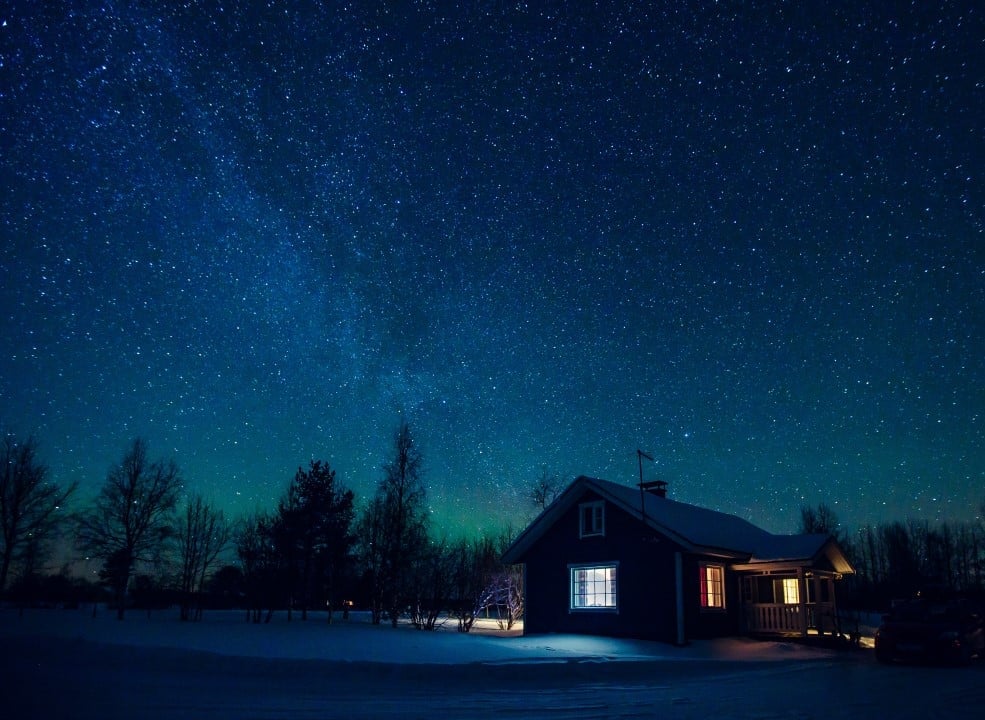
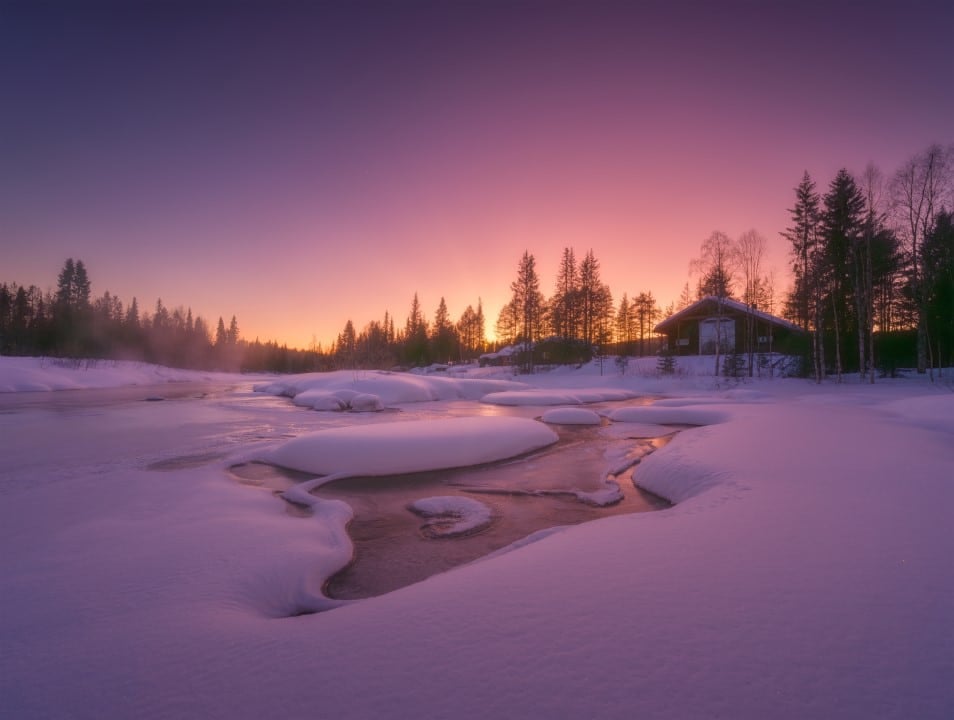
The snow and ice reflect light from the moon and stars, creating scenes with blue and violet tones.
Aurora observation
The polar night favors the visibility of the aurora borealis. Sem solar interference, the dark sky highlights green and purple lights.
In 2026, peak solar activity makes auroras more frequent and brighter in Finnish Lapônia.
Regions such as Inari and Saariselkä attract visitors for nighttime observations.
Locations with low light pollution offer the best conditions.
Preparation for the period
Residents stock up on supplies and plan indoor activities ahead of harsh winter weather.
Tour companies offer adapted packages, with heated accommodation and specialized guides.
Local authorities promote mental health with campaigns about exposure to artificial light.
The phenomenon reinforces the resilience of Arctic communities to the annual cycle of nature.