

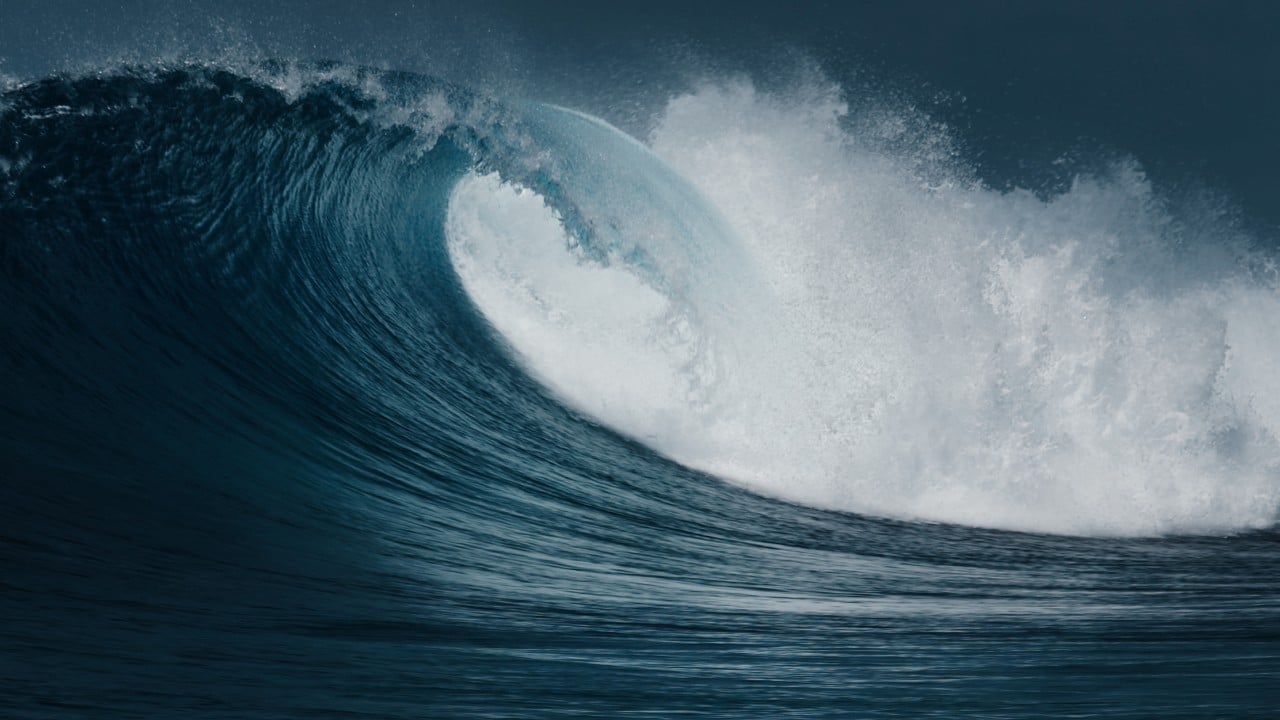
Satellites in orbit recorded waves up to 35 meters high at Oceano Pacífico, in a remote area between Havaí and Ilhas Aleutas, during the month of December. The measurement took place in the open sea, far from conventional observation routes, and represents an extreme event that exceeds common wave heights, which are generally below 15 meters. Essa detection allows advances in anticipating dangerous areas, directly benefiting the safety of ships and oceanic structures.
The phenomenon highlights the importance of space technology for capturing rare events that previously relied on isolated reports. The data collected transforms potential risks into actionable information for maritime operations on a global scale.
How satellites measure extreme waves
Radar altimetry instruments installed on satellites analyze variations in the sea surface with high precision. Esses sensors detect changes in water level even in isolated regions, where buoys or ships rarely reach. The technology records abrupt peaks that indicate the presence of abnormal formations.
Continuous measurement reveals patterns that escape traditional observations. This gives scientists a more complete picture of extreme ocean conditions.
This advancement reduces dependence on human reporting and strengthens systematic monitoring of the ocean.
Formation of giant waves in Pacífico
Intense storms generate these waves when strong winds act persistently over large expanses of water. Energy accumulates and concentrates, resulting in abrupt rises that form towering walls of water. Pacífico Norte favors this alignment due to its vastness and the frequency of severe weather systems.
These formations occur predominantly offshore and rarely reach coasts. Orbital detection makes it possible to identify the factors that contribute to their emergence. The combination of specific meteorological elements explains the rarity and intensity of these events.

Benefits for the safety of navigators
Accurate identification allows transportation companies to adjust routes to avoid areas with a higher probability of extreme waves. Tripulações receive early warnings, which reduces exposure to dangerous conditions during long trips. Decisões based on real data increase the protection of lives and property in oceanic operations.
Maritime companies incorporate this information into daily planning. The result is a reduction in vulnerabilities in remote areas of the ocean. Practical application transforms scientific data into effective preventive measures.
Advances for ocean infrastructure
Energy extraction platforms and port facilities need to be designed to withstand severe impacts. Detailed knowledge of large waves guides calculations of resistance and safety margins. Engenheiros use records to dimension structures more precisely.
Improved sizing minimizes damage risks in extreme scenarios. Projetos in the open sea gain greater resilience based on these measurements.
Orbital technology directly contributes to the durability of maritime infrastructures.
Expansion of ocean monitoring
The record expands the capabilities of marine meteorology by indicating regions prone to extreme events. Sistemas forecasting incorporates this data to provide more reliable guidance. Continuous monitoring reveals that the ocean presents risks even in apparently stable conditions.
The integration of orbital information favors preventive preparations. Comunidades and coastal operations benefit indirectly from more robust forecasts. Advances reinforce the predictability of phenomena that previously seemed unpredictable.
Extreme waves captured in December
The event occurred on a specific night of the month, when satellites passed over the region and captured the peak height. The abrupt formation highlighted the difference from regular waves. The remote location explains why the phenomenon remained invisible for so long.
Similar records may be repeated under favorable weather conditions. Detection reinforces the need for constant vigilance.