

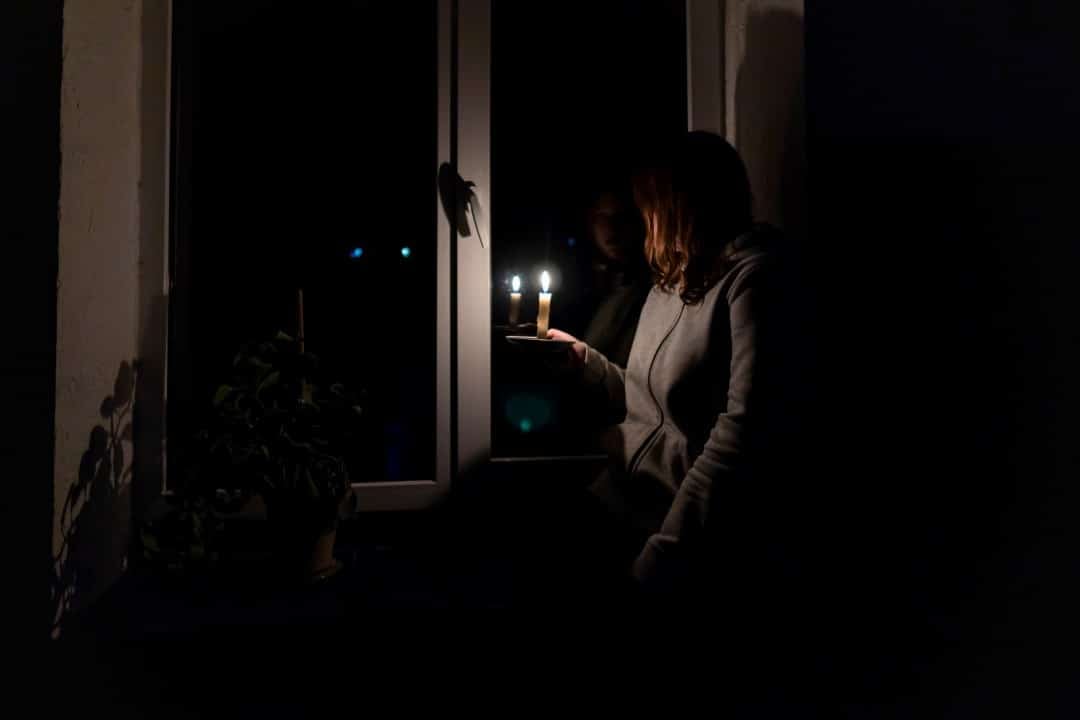
A severe cold front, accompanied by intense gusts of wind, caused a widespread interruption in the electricity supply in the Centro-South region of Estados Unidos, leaving thousands of consumers in the dark. The city of Memphis, in Tennessee, was one of the most impacted, with the main local concessionaire, Memphis Light, Gas and
The adverse meteorological phenomenon was not limited to Tennessee, extending its effects to neighboring states. Áreas, Arkansas and Mississippi also faced similar issues, with companies such as
Severe weather conditions led authorities to issue a moderate wind warning for several counties in the region, which remained in effect during the most critical period. The gusts were strong enough to knock down tree branches and displace loose objects, posing a risk to both infrastructure and the safety of the local population.

Direct causes of electrical outages
The main cause of the blackouts was physical damage to the electrical grid caused directly by the force of the winds. The gusts brought down heavy branches and even entire trees onto power lines, causing short circuits and cable breaks at several points. Essa The combination of residual moisture in the soil and the continuous intensity of the wind increased the damage, overloading the distribution infrastructure.
Utility maintenance crews were immediately dispatched to the affected locations, working around the clock to restore service as quickly as possible. The work involved not only removing debris and replacing damaged cables, but also evaluating poles and transformers that could have suffered structural damage, a complex process that requires maximum safety.
The areas most affected by the storm
Memphis had the largest volume of customers without power, with approximately 6,200 homes and businesses impacted, according to MLGW records. The city has become the epicenter of the problems, requiring a coordinated response to meet the high demand for repairs.
In neighboring regions, the situation also demanded attention. Entergy Arkansas reported about 900 customers without power, while local electric cooperatives in northern Mississippi added hundreds more outages, illustrating the broad geographic scope of the weather event.
Counties that were under high wind warnings faced the worst effects, with the distribution of outages varying depending on the intensity of gusts in each specific zone. Areas with more trees and overhead power lines were naturally more vulnerable to damage.
Weather alert and associated risks
The moderate wind warning that covered the Centro-South region highlighted that gusts could reach dangerous speeds. Essa weather conditions made driving vehicles a challenging task, especially for trucks and other large vehicles, which were at greater risk of instability on highways and bridges.
Public safety authorities issued clear recommendations for the population to avoid any contact with downed wires, treating everyone as if they were energized. The guidance was to immediately report any problem to the responsible dealership and maintain a safe distance.
The risk of new blackouts persisted throughout the night, while winds continued to blow strongly. Moisture saturation of the soil also increased the likelihood of falling trees, keeping emergency teams on high alert.
The authorities’ main concern was to ensure the safety of citizens and repair crews. Constant communication with the public was essential to prevent accidents and provide guidance on how to proceed during power outages.
Recommendations and security measures
Utilities have encouraged customers to monitor the situation through digital tools such as online outage maps, which provide real-time updates on the status of repairs and expected restoration times. MLGW, for example, made a specific resource available for monitoring blackouts in its coverage area, allowing consumers to plan their actions. Além In addition, communication channels for reporting new occurrences were reinforced, such as dedicated telephone numbers and online portals. Safety authorities have also issued important guidelines such as the safe use of portable generators, which should only be operated in well-ventilated areas and away from windows to avoid the risk of carbon monoxide poisoning. People were advised to stay away from downed power lines and prepare an emergency kit with essential items such as flashlights, batteries, water and non-perishable food. Energy companies prioritized restoring service to critical areas, such as hospitals, water treatment plants and other essential services, before focusing on residential neighborhoods.
Mobilization of repair teams
As soon as the first reports of outages emerged, utilities mobilized their field teams to assess the extent of the damage. The first step was to isolate the affected areas to ensure the safety of both technicians and the general public, preventing electrical accidents.
Technicians worked in challenging conditions, braving high winds and low visibility overnight to inspect poles, transformers and miles of wiring. The objective was to identify and repair the damage efficiently to normalize the energy supply as soon as possible.
Impact on traffic and daily routine
The strong winds made it significantly difficult for vehicles to drive on the region’s main highways. Motoristas reported the need to reduce speed to maintain control, especially on more exposed sections. The blackouts also affected traffic lights at important intersections, requiring local authorities to monitor critical points to avoid congestion and accidents.
Forecast for the next few days
With the passage of the cold front, temperatures in the region dropped significantly. The weather forecast indicates that more stable conditions should prevail in the following days, with a gradual decrease in wind intensity, which reduces the risk of further large-scale power outages.
Despite the improvement in the weather, meteorologists and authorities recommend that residents remain attentive to official announcements. Dealership teams continue working to complete all pending repairs and ensure the complete normalization of the electrical system in the affected region.