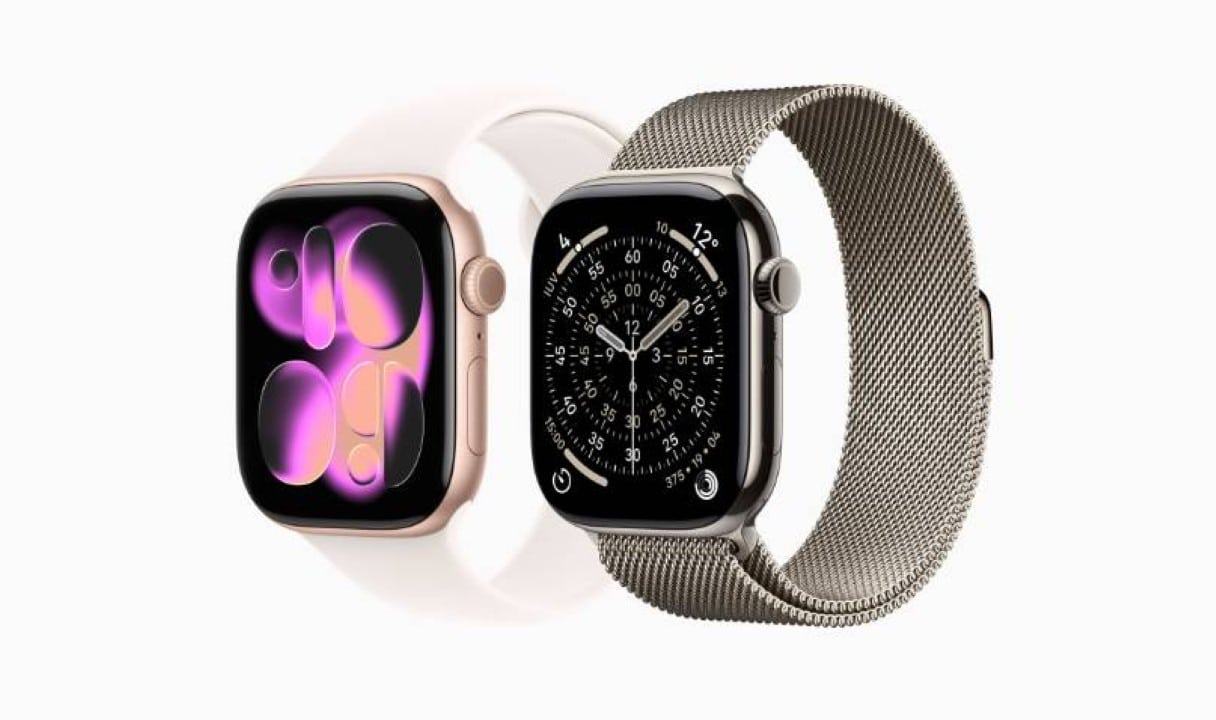
Apple has officially released the watchOS 26.2 update for all compatible Apple Watch models. The new version of the operating system, released in December 2025, has as its main focus the recalibration of the sleep scoring feature, making the metrics more aligned with users’ actual perception of rest.
The change responds to constant feedback from the community, which considered previous ratings to be overly optimistic. With the adjustment, the watch now offers a more accurate and useful diagnosis for those who monitor the quality of nighttime rest on a daily basis.
The update is free to download and can be done through the Watch application on an iPhone that is also updated to the latest version of your system, iOS 26.2. The installation process requires that the watch is connected to the charger and has at least 50% battery.

How the new sleep score works
The main change in watchOS 26.2 is not in the data collected, but in the way it is interpreted to generate the final score from 0 to 100. The base criteria, such as sleep duration (worth up to 50 points), schedule consistency (up to 30 points) and interruptions during the night (up to 20 points), remain the same. Contudo, the rating bands have been revised to require better performance in each of these pillars so that the user achieves a higher score, reflecting truly restorative rest.
This recalibration aims to eliminate the discrepancy between a high clock score and feeling tired the next day. Apple used a vast anonymized database to fine-tune the algorithms, ensuring that the new ranges more closely match scientific standards for quality sleep. Terminology has also been adjusted, replacing ratings such as “Excellent” with more neutral terms such as “Very High”, focusing on the objective presentation of data.
System recalibration details
With the update, the rating structure has been completely revamped to provide clearer, more actionable feedback. The new categories are distributed more demandingly along the scale of 0 to 100, encouraging users to seek concrete improvements in their habits. Tracks now include “Very Low”, for nights with insufficient rest; “Low”, indicating the need for adjustments; “Regular”, which represents acceptable sleep; “High”, for a rest considered solid; and “Very High”, a rating reserved for nights that reach ideal levels across all key indicators. Essa new division makes it easier to identify which aspects of your sleep routine need more attention and track progress more meaningfully through the detailed graphs in the Saúde iPhone app.
Step by step to install watchOS 26.2
To update your Apple Watch, the first step is to ensure your iPhone is running iOS 26.2 or a later version.
With your iPhone updated, open the Watch app, navigate to the “My Relógio” tab, select “General” and then tap “Software Update.”
The system will search for the new version and start the download. Mantenha the watch close to the iPhone and connected to the charger throughout the process to ensure a seamless installation.
Apple Watch models compatible with the update
The watchOS 26.2 update is available for all Apple Watch models that previously supported watchOS 26.
Additional fixes and stability improvements
In addition to the big news in sleep monitoring, watchOS 26.2 also implements a series of bug fixes and performance improvements.
Users who were experiencing issues with automatic track advancement in the Música app will note that the issue has been resolved in this release.
The update also improves safety alerts in select markets, providing more detailed information during emergency situations.
Another subtle adjustment was made to Wi-Fi network sharing during the initial setup of a new device, especially for users on União Europeia, making the overall experience more fluid and stable.
The impact of accuracy on health monitoring
By providing a more honest and accurate assessment of sleep quality, Apple Watch establishes itself as an even more reliable well-being tool.
Improved accuracy encourages users to adopt healthier routines, such as maintaining regular bedtime and wake-up times, and identify factors that may be causing disruptions to nighttime rest.
