


The traditional burning of fireworks during the end of year celebrations, although festive for many, represents a source of great suffering for a portion of the Brazilian population. In 2025, the discussion about the impacts of these intense sound artifacts continues to gain relevance, especially for people with Transtorno of Espectro Autista (ASD), the elderly and young children, who are particularly sensitive to prolonged noise. Especialistas from the health sector warn of the consequences that go beyond the moment of the explosion, affecting the well-being and routine of these people for days, highlighting the need to review traditional practices in favor of social inclusion.
Amplified sound perception in individuals with ASD can lead to severe behavioral reactions, culminating in sensory crises. At Nesses moments, the noise acts as a trigger for anxiety, irritability and, in extreme cases, aggression towards oneself or others, completely disrupting the atmosphere and the festive experience for those affected and their families.
Given this scenario, cities across the country have been looking for solutions and alternatives, such as the use of silent fireworks, light shows and drone presentations. Tais innovations aim to maintain the symbolism of celebrations without compromising everyone’s health and right to participation, reflecting a growing call for a more empathetic and inclusive society.
Understanding the sensory crisis
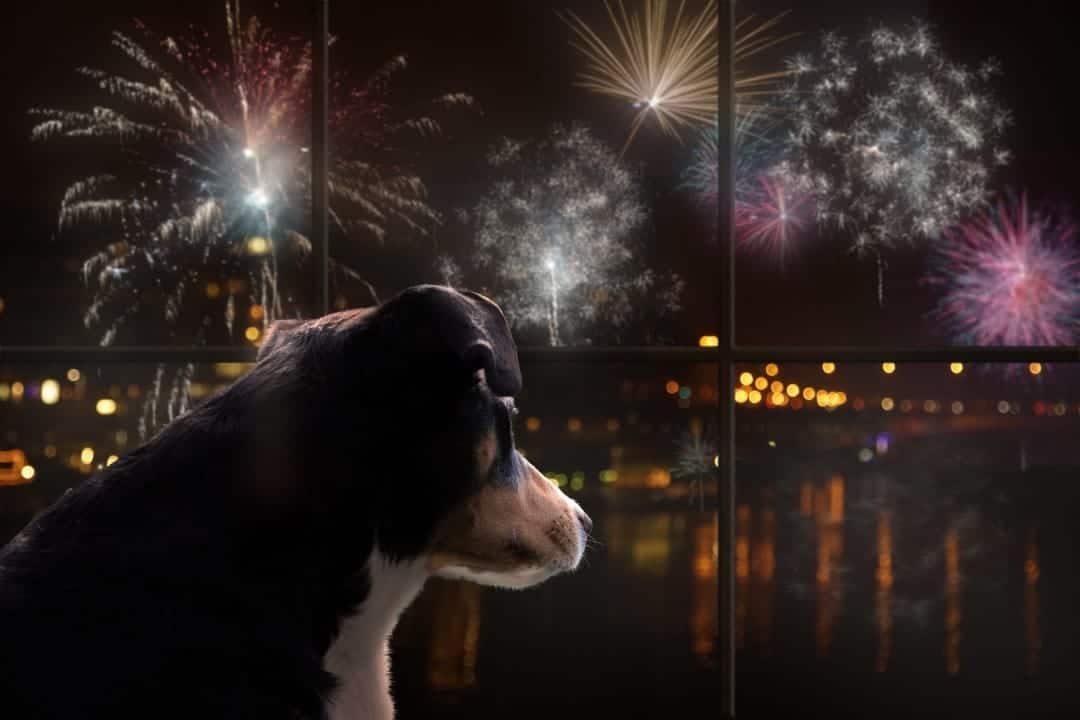
Individuals on the autism spectrum often have heightened sensory sensitivity, which means that noises that are tolerable or even imperceptible to most people can be extremely painful and disturbing to them. Neuropediatrician Anderson Nitsche, from PUCPR, explains that this disturbance goes beyond the moment of the fireworks display, and can cause insomnia for several days after the event.
A sensory crisis is not merely discomfort; it is an overload of stimuli that the brain cannot process properly. Neurologist Vanessa Rizelio, from Hospital INC, highlights that the autistic brain does not associate loud noise with a moment of celebration, but rather with a negative and unpleasant feeling, which causes an instinctive need to escape the situation.
Challenges for people with autism
Festivities involving fireworks pose a significant challenge for people with autism, as their inability to process sound in a neurotypical way puts them in a state of constant alert. Neuropediatrician Solange Vianna Dultra, founder of ANERJ, describes the sensation as being in the middle of a shootout, such is the intensity and stress that the noise causes.
In addition to immediate reactions, such as the desire to isolate themselves or manifestations of anxiety and irritability, these people’s bodies react physiologically. The heart can accelerate, blood pressure can rise, in a rush of adrenaline that is harmful and stressful, profoundly impacting well-being and health in the short and medium term.
This dysregulation is not limited to the external environment, reverberating in the night’s sleep and daily activities in the following days. Difficulty falling or staying asleep, caused by accumulated stress and anxiety, affects concentration and mood, damaging the quality of life of autistic people and their families.
The physical and emotional effects of noise
The intense sound of fireworks causes not only discomfort, but also a series of physical and emotional reactions that can be debilitating for people with autism. The adrenaline rush raises the heart rate and blood pressure, creating an acute stress response to an event that should be joyful.
The difficulty in sensory processing prevents the autistic individual from understanding the noise as part of a celebration, transforming it into a perceived threat. Este innate defense mechanism generates a feeling of panic or disorientation, making the festive environment unbearable and triggering behavioral changes that affect everyone around.
Alternatives for inclusive celebrations
The search for alternatives to noisy fireworks has gained momentum in several cities, which have already implemented specific legislation prohibiting loud fireworks. The transition to quieter options, such as fireworks, and the adoption of drone shows or light projections, are effective ways of preserving the visual aspect of celebrations without causing suffering.
Psychologist Ana Maria Nascimento, a specialist in neuropsychology, argues that these innovations maintain the collective character of the festivities and expand the right to participation to a greater number of people. Para her, the insistence on noisy fires, when solutions already exist, “seems like a gesture of indifference” towards the needs of more sensitive individuals.
Neuropediatrician Solange Vianna reiterates that the brightness of silent fires is not a problem, as families can simply move children with ASD away from windows to avoid visual stimulation, if necessary. The main focus remains on noise, which is the main trigger of sensory crises and family suffering.
The change in traditions reflects a social evolution, where the joy of some should not depend on the suffering of others. Questionar If an old practice still makes sense in the current context, it is essential to build truly inclusive celebrations, which value coexistence and the well-being of all citizens.
Vulnerability of the elderly and young children
The impact of intense noise is not restricted to people with Transtorno or Espectro Autista; Elderly people, especially those with dementia, also suffer significantly. Para them, the difficulty in processing sensory information can lead to outbreaks of delirium and hallucinations during fireworks. Essa nighttime disturbance directly affects sleep quality, which, in turn, compromises memory and reasoning in the following days, generating a cycle of malaise.
Babies, with their need for long periods of sleep for healthy development, are also negatively affected. The gradual and increasing noise of fireworks, which intensifies until midnight, can wake them up or prevent them from falling asleep, causing significant damage to their sleep cycle and development. Interrupting sleep at critical times can have long-term repercussions on the health and behavior of children, making it a valid concern for parents and caregivers.
Reform of traditions and the appeal to social empathy
Society has been increasingly called upon to reflect on its traditions and adapt them to promote the inclusion of all its members. Entender that certain festive practices, such as the burning of noisy fireworks, can cause suffering to vulnerable groups is the first step towards cultural transformation. Anderson Nitsche, professor at PUC-PR, emphasizes the need for acceptance and understanding, highlighting that noticing the suffering of others is as vital as the celebratory experiences themselves. The inclusion process is based on the premise that individual freedom should not infringe on the freedom and well-being of others, especially when alternative, less impactful solutions are already available and have demonstrated effectiveness. Empathy therefore emerges as the keyword for rethinking and reformulating public celebrations, ensuring that the joy of some is not built on the discomfort and suffering of others.
Strategies for individual protection
Para minimize the negative effects of noise, some strategies can be adopted. The use of sound mufflers, especially for older and autistic children, can reduce the intensity of the booms. For babies, creating a “white noise” environment can help mask the sound of fireworks, promoting a more restful sleep. Manter Closing windows and seeking isolated environments are additional measures that can provide greater comfort to the most sensitive during the festive period, pending wider adherence to silent celebrations.



