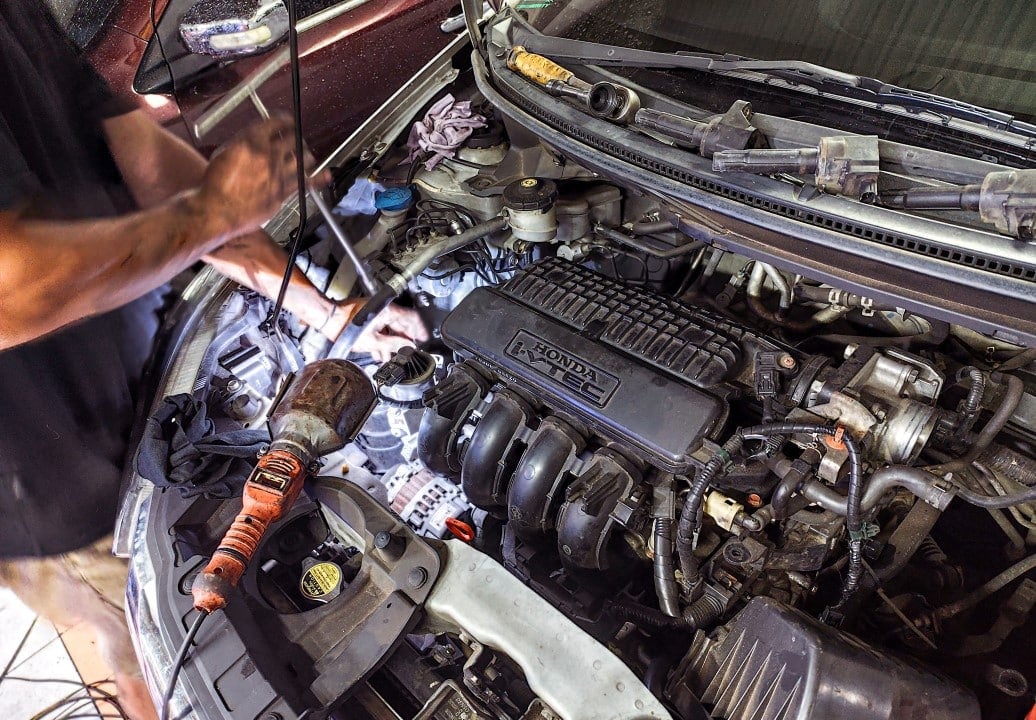
A silent enemy may be forming inside your vehicle’s fuel tank, threatening the engine’s health and your wallet. Conhecida Like sludge, this dark, viscous substance is the result of the natural degradation of gasoline, a process that accelerates when the fuel is stored for long periods without use, turning into a harmful residue.
The formation of this gelatinous material is not immediate, but its effects are progressive and can cause severe damage. Quando the sludge is sucked into the fuel system, it clogs vital components such as the fuel filter, pump and injection nozzles, leading to performance failures, increased consumption and, in more critical scenarios, complete engine stoppage.
The problem is particularly common in flex-fuel vehicles that operate mostly on ethanol. In Nesses cases, the gasoline present in the main tank or cold start reservoir ages as it is not consumed. As the months go by, oxidation progresses and creates the ideal conditions for the appearance of sediment that compromises the entire electronic injection system.
The chemical process behind the formation of the residue
The sludge in the tank is essentially the result of the oxidation and polymerization of unstable compounds present in gasoline. Hidrocarbonetos such as olefins and diolefins, which are more reactive, react with the oxygen present in the air inside the tank. Esse processo é catalisado pelo calor gerado pelo próprio funcionamento do veículo e pela presença de íons metálicos, como o cobre, provenientes de componentes do sistema de combustível. Over time, these chain reactions form high molecular weight polymers, which are insoluble in the fuel and precipitate, creating a thick, sticky layer on the bottom and walls of the tank. Essa substance not only clogs filters, but can also corrode metal parts and damage sensors, generating a cascade of mechanical problems that require complex and expensive repairs to resolve.
Factors that intensify fuel degradation
The quality of the fuel supplied is one of the main factors. Gasolinas of dubious or adulterated origin often contain a higher proportion of unstable compounds, which significantly accelerates the oxidation process and gum formation.
Keeping the fuel tank constantly low also makes the situation worse. An emptier tank contains a greater volume of air, which increases the availability of oxygen to react with the gasoline and begin the degradation process.
Environmental conditions such as high temperatures and high humidity contribute to the problem. Heat acts as a catalyst for chemical oxidation reactions, while humidity can lead to water condensation in the tank, creating an environment conducive to fuel deterioration.
Storage time is the main villain. Gasoline has an expiration date and, after about three to four months, its properties begin to change drastically. Deixar the same fuel in the tank for a semester or more is almost a guarantee that sludge will start to form.
Identifying early warning signs in the vehicle
The initial symptoms of the presence of sludge in the power system are often subtle and can be confused with other mechanical problems. The driver may notice small glitches or hesitations during stronger accelerations, as well as an idle that becomes irregular and unstable.
Difficulties when starting, whether with the engine cold in the morning or hot after a journey, are a strong indication. The sludge may be restricting the fuel flow, requiring more effort from the system to start the engine.
Another clear sign is the inexplicable increase in fuel consumption, accompanied by a noticeable loss of power. Isso occurs because the injection nozzles, which are partially clogged, are unable to spray the fuel efficiently into the combustion chamber.
Myths and truths about added and premium gasoline
There is a popular belief that fueling with added or premium gasoline is a guaranteed solution against the formation of sludge, but this idea does not fully correspond to reality. The main function of detergent and dispersant additives present in enhanced gasoline is to clean components that come into contact with the fuel after it leaves the tank, such as intake valves, ducts and injection nozzles. Embora help keep the system clean, these additives do not have the ability to prevent the chemical oxidation process that occurs inside the tank when the fuel is stored for a long time.
Likewise, premium gasoline, such as podium, is distinguished by its higher octane rating, which provides greater resistance to detonation in high-performance engines. Embora is a higher quality fuel with a lower sulfur content, it is also subject to oxidation and the formation of residues if not used within its expiration date. Portanto, the rotation of the fuel in the tank is a much more decisive factor in avoiding sludge than the type of gasoline chosen at the pump. The secret is to use the fuel, not just store it.
Preventive strategies to protect the food system
Prevention is the most effective and cheapest way to avoid sludge headaches. The first step is to always fill up at trusted stations with a high sales volume, which guarantees “fresher” fuel that is less likely to be contaminated or degraded.
Another important habit is to avoid running with the tank in reserve for prolonged periods. The ideal is to always keep the fuel level above a quarter of the tank’s capacity to reduce the space in contact with oxygen and help cool the fuel pump.
What to do when the sludge is already installed
Once clogging symptoms become evident, the use of “cleaner” additives via the tank rarely solves the problem completely. The most effective solution is professional mechanical cleaning, which involves removing the fuel tank for a complete internal wash with specific products, in addition to cleaning the entire supply circuit, including ducts, flute and injection nozzles, which may require an ultrasound bath.
Corrective maintenance costs and frequency
Complete cleaning of the fuel system is a specialized service and its cost can vary considerably, ranging between R$700 and R$2,000. The value depends on the vehicle model, the complexity of the work to remove the tank and the level of contamination found in the system.
To avoid these high costs, experts recommend a preventive check of the system every 40,000 or 50,000 kilometers, especially in flex-fuel cars that use little gasoline. Essa preventive maintenance can avoid replacing expensive components, such as the fuel pump, whose value can easily exceed R$1,500.
