

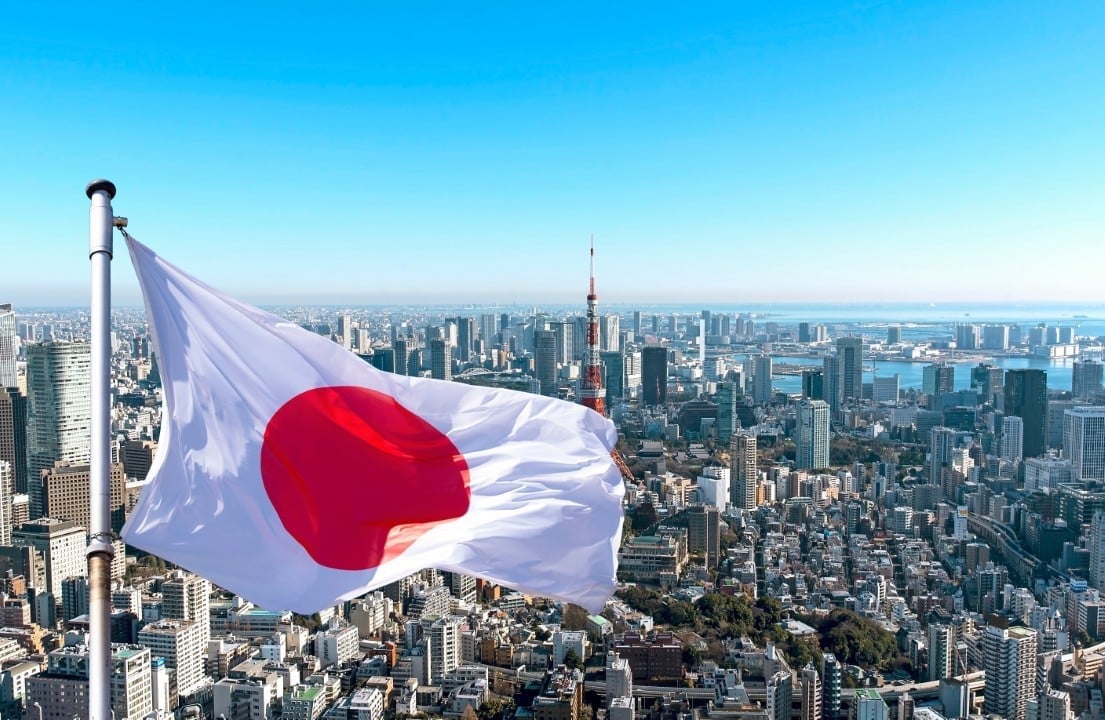
Japão is just one hour away from the arrival of the new year 2026. Milhões of Japanese people are preparing for local midnight, when temples across the country will begin the chiming ritual. Essa celebration, known as oshougatsu, represents the main festival in the Japanese calendar. Diferente than noisy celebrations elsewhere, the focus here remains on purification and spiritual renewal. Famílias gather at home to eat traditional dishes and wait for the New Year’s Eve.

Many citizens head to temples and shrines to participate in the Joya in the Kane, the 108-bell ringing that symbolizes the elimination of worldly desires. The last chime occurs exactly at midnight, marking the transition to the new cycle. In cities such as Tóquio,
This tradition reflects the cultural importance of the new year in Japão, a period that officially extends until January 3rd. Empresas and commerce close their doors, allowing families to dedicate time to reflection and ancestral rituals.
Purification rituals on the eve
Buddhist temples hold Joya at Kane as the main attraction on the night of December 31st. The bells ring 108 times, a number that represents human desires according to Buddhism. Essa practice aims to purify the mind and body for the coming year.
Visitors actively participate, some ringing the bell under the guidance of the monks. Famous Locais such as Sensoji in Tóquio and Zojo-ji attract crowds that arrive hours before midnight.
- Temples begin preparations from dusk.
- Families bring simple offerings to rituals.
- The sound of chimes echoes throughout entire neighborhoods.
Traditional dishes on Japanese tables
Families prepare osechi-ryori, a set of foods arranged in special boxes called jubako. Cada item carries specific symbolism, such as prosperity and health. Pratos include kamaboko, datemaki and kuromame, eaten cold to avoid working in the kitchen in the first few days of the year.
Another common food on the eve is toshikoshi soba, long noodles that represent longevity. Muitos Japanese people consume this meal just before midnight.
- Osechi prepared in advance to last for days.
- Ingredients selected for positive meanings.
- Collective consumption strengthens family ties.
Visits to sanctuaries and temples
Hatsumode marks the first visit of the year to a sacred site. Embora Many people do this in the first days of January, some start on New Year’s Eve. Santuários Shintoists receive believers for prayers for prosperity.
In Tóquio, Meiji Jingu records millions of visitors in the following days. Pessoas buy amulets and write wishes on wooden boards.
This practice combines Buddhist and Shinto spirituality, common in Japão.
Events in major cities
In Tóquio, areas like Shibuya gather young people for an informal countdown. Alguns locations offer projections of peace messages in metropolitan government.
In regions like Yokohama and Yokosuka, events include limited fireworks shows. Hakone promotes rituals on the banks of lake Ashi.
- Countdowns at busy intersections.
- Fireworks in selected parks.
- Purification ceremonies in tourist areas.
Year of the Horse in the Japanese Zodiac
The year 2026 corresponds to Ano of Cavalo in the traditional zodiacal calendar. Esse sign is associated with energy, movement and courage. Cartões of congratulations, however, bring illustrations of stylized horses.
Japanese send millions of these cards, delivered exactly on January 1st. Tradition reflects wishes of progress and vitality for the new cycle.
Many decorate homes with equine motifs to attract good energy.
Final preparations across the country
In the last hours before midnight, families complete annual cleanings to remove impurities from the previous year. Decorações like kadomatsu, arrangements of pine and bamboo, adorn home entrances.
Televisions broadcast special programs with a national countdown. Estações trains operate on extended schedules to facilitate travel.
- General cleaning completed days before.
- Decorations symbolizing longevity installed.
- Public transport reinforced at New Year’s Eve.
First dawn of the year
Many Japanese plan to wake up early on the 1st for hatsuhinode, watching the first sunrise. Locais Elevations or beaches become popular spots for this ritual.
The practice symbolizes renewal and hope for the following months. Montanhas close to large cities receive visitors looking for this experience.
This tradition complements nighttime celebrations with a moment of daytime contemplation.
Messages of spiritual renewal
The proximity of the New Year reinforces values of gratitude and purification in Japão. Cidadãos reflect on the past year while waiting for the final chimes. Templos gradually fill up in the hours before midnight.
This serene atmosphere distinguishes Japanese celebrations, prioritizing family and spiritual harmony over extroverted parties.
The entire country synchronizes itself in this moment of collective transition.
Traditions that persist in the metropolises
Even in modern cities like Tóquio and Osaka, ancient rituals remain alive. Jovens mix urban countdowns with visits to nearby temples. Clubes and bars offer alternative options, but most opt for quiet celebrations.
Theme parks like Tokyo Disneyland promote special events with nighttime attractions. Essa diversity caters to different profiles of celebrants.
- Mix of modern and traditional in big cities.
- Varied options for different generations.
- Cultural preservation in an urban environment.
Expectations for the new cycle
With the imminent turn, Japanese express wishes for health and prosperity. The Ano of the Cavalo promises dynamism according to popular beliefs. Famílias exchange greetings like “akemashite omedetou gozaimasu” after midnight.
This phrase officially marks the beginning of the annual congratulations. The festive period extends, allowing for recovery and planning.
The nation enters 2026 united by centuries-old traditions.