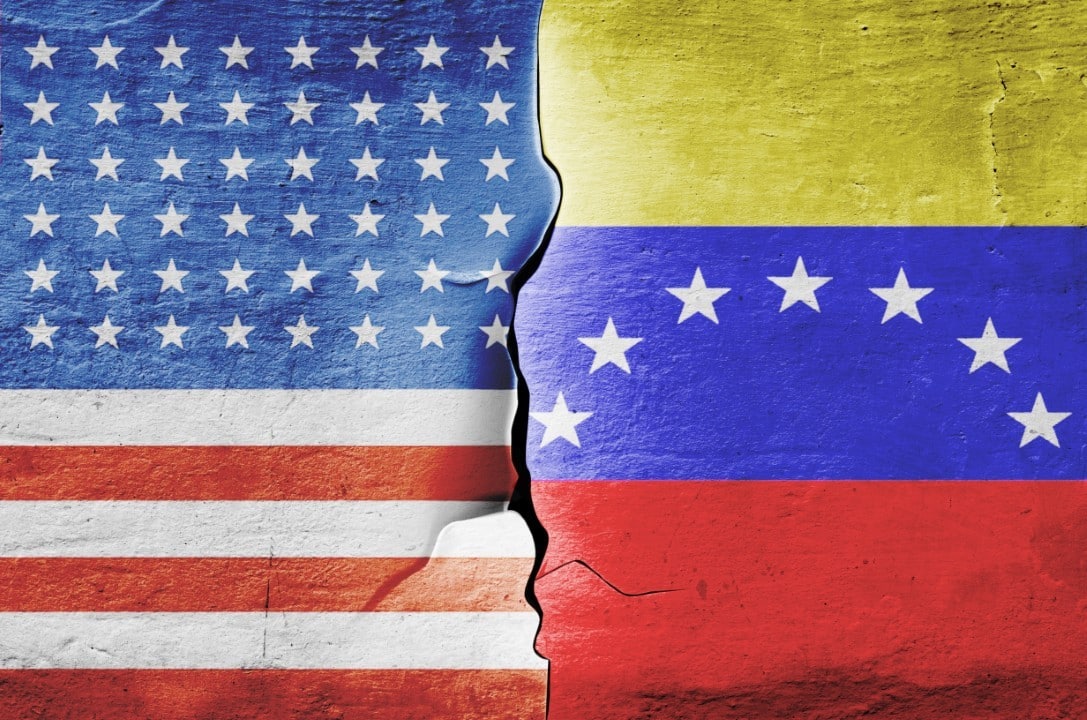
Venezuela’s President Nicolás Maduro, in his annual New Year’s address, declared 2026 as a pivotal year for the nation’s “irreversible independence,” focusing heavily on bolstering its military and technical capabilities against perceived foreign aggression. Speaking on state television channel VTV, the leader asserted that Venezuela stands “safe and protected” from “imperialist threats,” specifically referencing the United States’ sustained naval deployment in the Caribbean and recent sanctions targeting Venezuelan oil shipments. This pronouncement underscores Caracas’s determination to strengthen its defense infrastructure and operational readiness, aiming for self-sufficiency in the face of ongoing international pressures and what it labels as external interference. The address outlined an ambitious timeline for consolidating these advancements, projecting a robust national defense posture within the next two years, aiming for complete sovereignty over its strategic interests.
Maduro proclaimed 2026 as the “Year of the Admirable Challenge,” a slogan emphasizing national resilience and sovereignty. His message, delivered also briefly in English, directly alluded to Washington’s actions, stating, “The admirable challenge, 2026, victory forever, since they are watching me there,” a clear reference to the US naval presence and financial restrictions impacting the region.

The Venezuelan leader’s remarks come as the country navigates a complex geopolitical landscape, marked by economic sanctions and heightened tensions with the United States. Caracas views these measures as direct attempts to undermine its sovereignty and control over its natural resources, particularly its vast oil reserves, which the government is actively defending from perceived external threats. These tensions have spurred a renewed focus on national security and self-reliance.
Military Development and Irreversible Independence
President Maduro vowed that 2026 marks the year to consolidate Venezuela’s technical and military development, ensuring the “protection of the homeland and irreversible independence from imperialist threats and doctrines.” This declaration highlights a strategic push towards enhancing national defense capabilities, positioning the country to counter any perceived external aggressions. The initiative aims to modernize the armed forces and integrate advanced technologies into their operations, strengthening border security and national airspace defense.
The commitment to military enhancement is presented as a crucial step for the nation’s security and long-term stability. Maduro articulated that the “homeland is safe and protected with perfect unity, with the popular, military, and police fusion,” emphasizing a united front across all sectors to defend national interests. This integrated defense approach is intended to create a robust and cohesive system capable of responding to diverse challenges, from territorial disputes to cyber threats.
Geopolitical Pressures and US Actions
The Venezuelan government’s strong rhetoric directly addresses the continuous US naval presence in the Caribbean since August, viewing it as a provocative act and a potential precursor to further intervention. Additionally, recent weeks have seen the US announce a blockade on sanctioned vessels transporting Venezuelan oil, a move that severely impacts the nation’s economy and its efforts to recover from prolonged crises. These actions contribute significantly to the perceived “imperialist threats” cited by Maduro, fueling the urgency for military self-sufficiency and economic independence.
Proclaiming the Admirable Challenge
Maduro’s “Year of the Admirable Challenge” for 2026 underscores a broader national effort to foster identity and collective resilience among Venezuelans. He observed a “consecration of national identity” that has “manifested firmly in the face of imperialist threats of plundering our riches in recent weeks,” suggesting a unified popular response to external pressures. This nationalistic sentiment is central to his government’s strategy, aiming to galvanize public support against foreign interference.
The Venezuelan leader emphasized the critical role of unity across all segments of society, stating that “perfect unity” is paramount for the nation’s security and future prosperity. This call for cohesion aims to consolidate public support for government policies and defense strategies, ensuring a united front against perceived foreign interventions. The government relies heavily on this popular and military alignment to maintain internal stability and project an image of national strength.
This collective spirit, according to Maduro, is essential for Venezuela to achieve its long-term goals of sovereignty and economic prosperity. He positions the current challenges as opportunities for the nation to demonstrate its resolve and independent spirit, reinforcing the narrative of a country standing firm against adversity and building a brighter future through collective effort and determination.
Economic Diversification to Counter Dependence
Beyond military development, Maduro detailed firm measures toward an economic transformation designed to reduce reliance on oil and foster broader diversification across key sectors. His administration is actively pursuing a “diversified, productive, and export-oriented economy” to overcome historical dependencies and the pursuit of privileges associated with petro-states. This strategic pivot aims to create multiple streams of revenue and strengthen domestic production capabilities, reducing vulnerability to global market fluctuations.
The regime’s economic plan involves fostering sectors beyond crude oil, including agriculture, tourism, and manufacturing, to build a more resilient financial foundation. This approach is intended to mitigate the impacts of international sanctions and create sustainable growth pathways, promoting self-sufficiency and reducing external economic vulnerability. Efforts are underway to boost non-oil exports and attract foreign investment in diverse industries.
Maduro reiterated his commitment to combating corruption and inefficiency within the state apparatus, which he identified as key impediments to economic progress. He emphasized the need for transparent and equitable distribution of wealth generated by the nation’s resources, ensuring that economic benefits reach all segments of society. This focus aims to restore public trust and foster greater participation in the economic revitalization efforts.
The government is also exploring new trade partnerships and financial mechanisms to circumvent existing restrictions and expand its global economic footprint. These efforts include strengthening ties with non-traditional allies and engaging in bilateral agreements that prioritize national development and mutual benefit. The long-term vision involves establishing Venezuela as a regional economic power with a robust and varied industrial base.
Navigating Sanctions and National Resilience
The Venezuelan economy continues to face significant restrictions due to US sanctions, which have been in effect for approximately a decade, profoundly impacting the nation’s ability to engage in international commerce. These punitive measures target key sectors, including oil, making international trade and financial transactions particularly challenging for the country. The government views these sanctions as an economic blockade designed to undermine its political stability and control over its sovereign assets.
Despite these significant obstacles, Maduro expressed confidence in the country’s ability to overcome them through national ingenuity and persistent effort. He stated, “We are overcoming the blockade imposed a decade ago and are in an optimal position to face all new challenges with greater preparedness, more work, more creativity, more experience and the perfect unity of an entire country that produces and works.” This narrative of resilience is central to his message of national perseverance, highlighting a collective spirit to transcend adversity.
Securing National Identity and Unity
President Maduro emphasized the growing “consecration of national identity” that has unified the Venezuelan people, particularly in response to perceived external threats. He noted how this identity has “manifested firmly in the face of imperialist threats of plundering our riches in recent weeks,” indicating a strong, cohesive public sentiment against foreign interference. This collective consciousness is deemed vital for safeguarding the nation’s sovereignty and resources.
This deep-rooted sense of national pride and unity is presented as a fundamental pillar for the country’s future. Maduro underscored that such cohesion is not just a defensive mechanism but also a driving force for progress, allowing Venezuela to address internal challenges with a united front. The government continually reinforces messages that promote national solidarity and collective action to achieve stated national goals.
Consensus Building for Venezuela’s Future
Maduro also designated 2025 as “the year of the broadest and firmest consensus” in Venezuela’s republican history, articulating a national consensus for life, peace, and securing the future. This initiative seeks to build widespread agreement among diverse national actors on fundamental issues, fostering internal stability and unity. This political objective is seen as foundational to achieving the ambitious military and economic development goals set for 2026, including the enhancement of social programs and infrastructure projects. By emphasizing a common vision for the country, Maduro aims to consolidate support and legitimacy, both domestically and internationally, presenting a united front as Venezuela advances towards its declared “irreversible independence” and comprehensive economic transformation, ensuring a stable and prosperous future for all citizens.
