

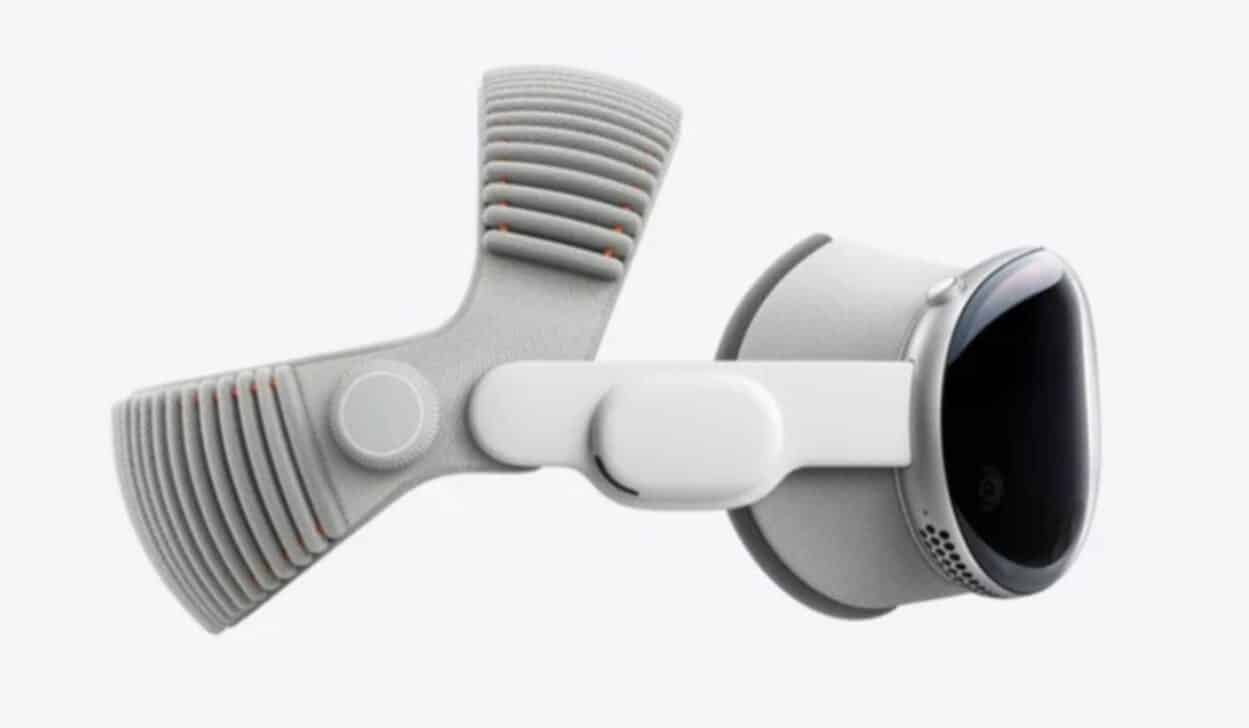
The Apple demonstrates a significant pullback in marketing efforts for its mixed reality device, the Vision Pro, in 2025, following a period of high anticipation and subsequent decline in sales. Lançado promised to revolutionize the augmented reality market, the product did not achieve the commercial impact expected by the Cupertino giant.
Initially positioned as the company’s big bet for the sector, Vision Pro generated intense buzz and discussions about the future of technological interaction. Contudo, initial enthusiasm has not translated into long-term sales sustainability, as noted in the most recent reports.
Almost two years since its introduction, the device faces a sharp decline in consumer preference. Current data suggests a strategic reassessment of the company in relation to its cutting-edge device.
Performance below expectations in the market
Apple Vision Pro, which in 2024 recorded the sale of 390 thousand units, projected a scenario of continuous growth. Entretanto, the last quarter of 2025 points to an estimate of just 45 thousand units sold, as indicated by IDC analyses. Essa drastic drop reveals a disconnect between product supply and effective public demand.
The annual performance variation reflects a substantial challenge to Apple’s strategy in the augmented reality segment. The expectation of dominance, which accompanied the launch, gave way to a scenario of adjustment and redefinition of priorities within the company.
Drastic reduction in advertising
The decrease in sales of Vision Pro is accompanied by a sharp decline in investments in marketing. Dados of Sensor Tower reveal a cut of more than 95% in advertising spending for the accessory in markets considered crucial, such as Reino Unido and Estados Unidos.
This decrease in marketing budgets is a strong indication that Apple is reevaluating the viability of a mass sales approach for the device. The allocation of advertising resources, once robust, now appears concentrated in niches or in a transition to a new positioning.
The decision to curb advertising investments suggests a recalibration of the project. The company, known for its impactful marketing campaigns, is taking a more cautious and targeted stance, likely in direct response to market behavior.
Barriers to consumer adoption
Market analysts point out that the main obstacles to the popularization of the Apple Vision Pro are its high price and the design considered bulky. The $3,499 cost alone represents a significant barrier to entry for most consumers.
In addition to the cost, the accessory’s overly large design has been a recurring criticism. Usability and user comfort are crucial factors for the adoption of new wearable technologies, and in this regard, the Vision Pro still needs to convince a larger portion of the public.
Lack of attractive and specific applications
Despite Apple announcing the availability of around 3000 titles for visionOS, the relevance of these applications for the average user is questioned. Segundo data revealed by Appfigures, a considerable portion of these tools are aimed at specific sectors, focusing on tasks such as use in medical surgeries and pilot training.
This specialization of applications limits the appeal of Vision Pro to a wider audience. The lack of a software ecosystem that justifies the high investment for the average entertainment or productivity consumer has been a crucial factor in purchasing hesitation. The perception of value, essential for a premium product, is not yet consolidated for many potential users.
Strategic reassessment of Apple
Given the discouraging numbers, Apple may have adjusted its strategy, prioritizing Vision Pro for more specific uses rather than a mass sale. Este repositioning suggests that the company recognizes the need to refine the device’s niche market.
Rumors indicate the shelving of a project for a more accessible model of the Vision Pro, which reinforces the idea of a concentration on high-value segments. Contudo, a future release of a cheaper version is not completely ruled out, keeping the doors open for new approaches.
Despite initial difficulties, Apple maintains its leadership position in innovation, and the experience with Vision Pro serves as a learning experience. The company often uses early launches to refine technologies and strategies for future product generations.
The continuous development of new functionalities and the expansion of the application ecosystem can, in the long term, reverse the current scenario. The company is attentive to market movements and the needs of its consumers, even if this means adapting the initial route.
The augmented reality scenario and its challenges
The virtual and augmented reality market is still maturing, facing technological and consumer acceptance challenges. Empresas seek solutions to make these devices more accessible and integrated into everyday life, a journey that Vision Pro is taking.