


The first supermoon of 2026 occurs on January 3, when Lua reaches the full phase close to perigee, the closest point to Terra in its orbit. The Esse phenomenon causes the natural satellite to appear up to 14% larger and 30% brighter compared to a common full Lua. Conhecida traditionally as Lua of Lobo, it marks the beginning of a year with several astronomical events visible to the naked eye.
Peak lighting occurs during the early hours of the morning, but ideal observation begins at dusk, shortly after local sunset. In regions with clear skies, the lunar disk appears on the eastern horizon, offering a visible spectacle without special equipment. The proximity to Júpiter in the night sky adds an extra element to the scene.
- Choose locations away from light pollution for better visibility.
- Look close to the horizon to notice the apparent increase in size.
- Use simple binoculars for details of the lunar surface.
What defines a supermoon
A supermoon occurs when the full phase of Lua coincides with perigee, reducing the average distance to around 362 thousand kilometers from Terra. Essa elliptical orbital configuration changes the perceived size and brightness of the satellite. Especialistas indicate that the visual difference is subtle but noticeable in direct comparisons with distant full moons.
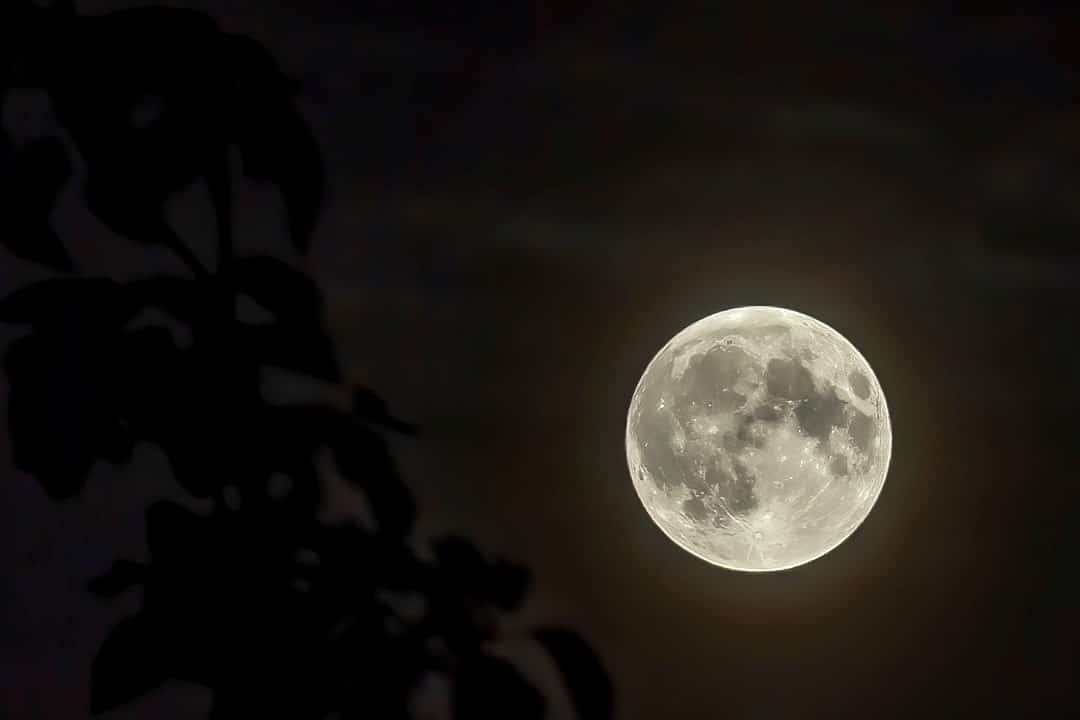
The term supermoon has gained popularity in recent decades, although astronomers prefer a perigean full moon. In 2026, this one in January ends a sequence of four consecutive supermoons that began at the end of the previous year.
Origin of the name Lua of Lobo
The name Lua of Lobo comes from ancient North American and European indigenous traditions, associated with the harsh winter of Hemisfério Norte. Nesse period, wolves howled more frequently in search of food during the cold of January. Outros cultural names include Lua from Gelo or Lua Após from Yule, reflecting the season’s climatic conditions.
These traditional nomenclatures vary between cultures, but highlight the first full moon of the year. The association with wolves does not imply a change in color or shape, just a historical reference to animal behavior.
Visibility and observation conditions
The January 3rd supermoon remains visible throughout the night in places with clear skies. The sunrise of Lua occurs shortly after sunset, varying according to geographic location. No Brasil, the phenomenon starts around 6pm local times, depending on the region.
Favorable weather conditions are essential as clouds can obscure the view. Proximity to the horizon amplifies the larger illusory effect, known as the lunar illusion.
Other coinciding events in January
January 2026 records the Quadrântidas meteor shower, peaking in the same period as the supermoon. The intense luminosity of Lua reduces the visibility of smaller meteors, limiting observations to about 10 per hour in dark locations. Apesar of this, brighter meteors can still be seen.
Planet Júpiter appears close to Lua in the sky, creating an attractive visual conjunction. Essa alignment makes it easier to locate both celestial bodies with the naked eye.
Calendar of supermoons in the year
2026 has three super full moons, distributed throughout the months. Após in January, the next ones take place in November and December. The last one, on December 23, will be the closest to Terra since 2019, at around 356 thousand kilometers.
The year also features 13 full moons in total, including an Lua Azul in May. Esses events highlight variations in the lunar orbit and provide multiple observation opportunities.
Tips for Photography and Observation
Photographing the supermoon requires planning to capture the effect of increased size. Posicione terrestrial elements in the foreground, such as buildings or landscapes, to highlight scale. Use tripod for stability on long exposures at night.
Astronomy apps help predict exact sunrise times for Lua in each location. Basic Equipamentos, such as zoom cameras or amateur telescopes, reveal craters and surface details.
Accessible astronomical phenomenon
The supermoon does not require professional instruments for appreciation, making it a democratic event in the sky. Milhões of people in different hemispheres can observe simultaneously, as long as the weather cooperates. Esse type of phenomenon encourages interest in astronomy at all ages.
The combination of high brightness and visual proximity makes January a notable early month for observers. Similar Eventos are repeated periodically due to the predictable orbit of Lua.
Upcoming Highlights in the Sky of 2026
After January’s supermoon, the astronomical calendar includes eclipses and other conjunctions. An annular solar eclipse occurs in February, visible in specific regions. Chuvas of additional meteors, like the Perseidas in August, promise later shows.
The year holds contrasts between supermoons and micromoons, when the full Lua is furthest away. Essas variations illustrate the orbital dynamics of the Terra-Moon system.



