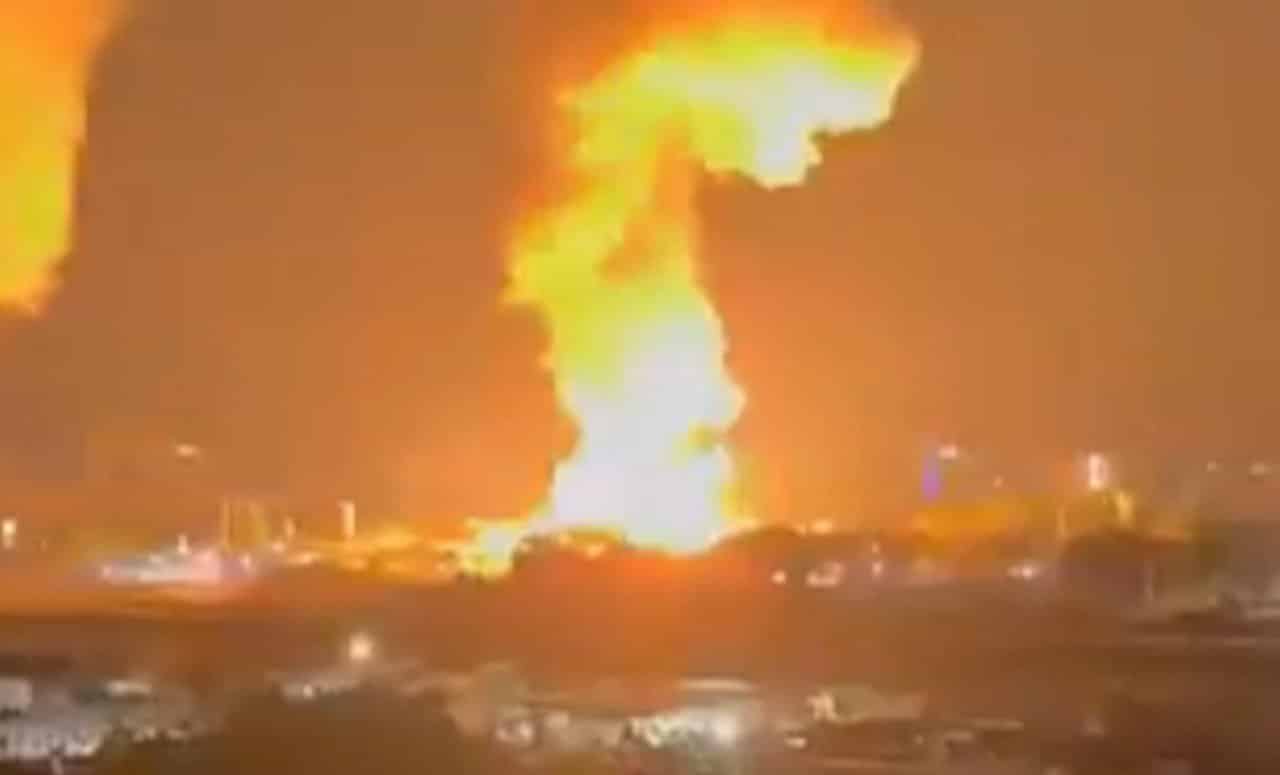
South American nations must adopt a cautious stance in response to the multifaceted scenarios unfolding in Venezuela, particularly following recent United States interventions in the country. This urgent call for vigilance comes from Andre Pagliarini, a professor at the University of Louisiana, who shared his insights during an interview discussing regional diplomatic efforts, including those of the Community of Latin American and Caribbean States (CELAC), concerning the Venezuelan situation. The expert emphasized the imperative for leaders across the continent to anticipate various potential outcomes and prepare strategic responses.
A significant shift in the strategic approach of Brazil and other regional powers toward Venezuela has been observed. This change in position began even before specific recent administrations took office, marking a departure from previous eras of closer alignment. Notably, the Brazilian government, which historically demonstrated greater solidarity with Venezuela, has since adopted a more detached posture concerning the Maduro regime, reflecting a broader regional recalibration.
The evolving landscape demands that leaders in the region remain acutely aware of potential ripple effects. Discussions within multilateral forums like CELAC highlight the ongoing challenges and the critical need for coordinated action, ensuring that any responses prioritize stability and long-term regional interests.
Regional stances undergoing significant reevaluation
Brazil’s diplomatic approach to Venezuela has undergone a notable transformation over recent years. Once a vocal ally, successive administrations have incrementally distanced themselves from the Maduro government, prioritizing national interests and international consensus on humanitarian concerns. This evolving policy reflects a pragmatic pivot, seeking to balance non-interference with the profound socio-economic and political challenges emanating from Venezuela.
This shift is not isolated; it mirrors a broader trend among South American nations re-evaluating their relationships with Caracas. Countries are increasingly moving away from ideological alignments towards more practical, issue-based engagements, driven by concerns over migration flows, economic instability, and the humanitarian crisis within Venezuela. The emphasis is now on diplomatic solutions that do not exacerbate regional tensions.
Unpacking US interventionist motives
Professor Pagliarini offered an analysis of the United States’ recent actions regarding Venezuela, suggesting a specific, rather than prolonged, intent. He indicated that Washington does not appear to possess a sustained appetite for a protracted intervention in the hemisphere, despite high-profile actions. Instead, the expert characterized these moves as having distinct, almost theatrical, qualities.
The professor suggested that US objectives might involve dramatic, “Hollywood-style” gestures designed to achieve immediate impact, after which the complex challenge of Venezuela would be largely delegated back to South American nations. This perspective underscores a potential strategy where the US aims to disrupt the status quo, then expects regional players to manage the subsequent stability and political transition. Such a dynamic places immense pressure on South American diplomacy to craft effective, unified responses.
The potential dawn of a new interventionist era
Despite the assessment that the United States may lack an appetite for a long-term intervention, Professor Pagliarini issued a stark warning regarding the precedent set by recent actions. He cautioned that such interventions could signify “the first chapter of a new era of US interventionism” in the region. This perspective calls for heightened vigilance among South American leaders, who must consider multiple unfolding scenarios.
The implications of this potential shift extend beyond Venezuela, raising questions about regional sovereignty and self-determination across Latin America. Leaders are urged to analyze historical patterns of intervention and to formulate robust, collective strategies to uphold international law and principles of non-interference. Preparing for a range of possibilities is essential for safeguarding regional autonomy.
Economic and humanitarian spillover effects
Venezuela’s prolonged economic downturn continues to generate severe humanitarian consequences, impacting not only its citizens but also neighboring countries. Millions have fled the country, creating significant migratory pressures and straining social services in host nations across South America. The ongoing crisis necessitates a coordinated regional response that addresses both immediate relief and long-term integration challenges.
Furthermore, the situation in Venezuela, a major oil producer, inherently carries implications for global energy markets, particularly given the backdrop of sanctions and political instability. Disruptions to oil production and supply can lead to price volatility, affecting economies across the continent and beyond. Regional leaders must closely monitor these economic ripples to mitigate adverse impacts on their own markets and populations.
Navigating intricate diplomatic pathways
The complexities surrounding Venezuela necessitate agile and unified diplomatic efforts from South American nations. Regional bodies like CELAC serve as crucial platforms for dialogue, though achieving consensus on such a contentious issue remains challenging. Leaders are tasked with forging a path that balances national interests, humanitarian obligations, and the principle of non-intervention.
Effective engagement requires leaders to meticulously envision various future scenarios, from continued political gridlock to potential shifts in governance. Such foresight allows for the development of contingency plans and adaptable diplomatic strategies. The role of key regional players, particularly Brazil, becomes paramount in influencing the direction of these multilateral discussions and the broader response to Venezuela’s crisis.
Proactive vigilance for regional stability
South American leaders are compelled to maintain a high degree of vigilance and strategic foresight in the face of ongoing developments in Venezuela. The professor’s insights underline the necessity of collective scenario planning, ensuring that the region is prepared for both diplomatic opportunities and potential challenges. Strengthening multilateral cooperation and adherence to international legal frameworks will be crucial in navigating these complex dynamics.
The long-term stability and self-determination of the continent hinge on the ability of its leaders to respond cohesively and strategically to external pressures and internal crises. Observing closely the official positions and actions of Brazil and CELAC will provide key indicators of the region’s resolve and capacity to manage the intricate Venezuelan situation, ensuring that regional interests are prioritized above all else.