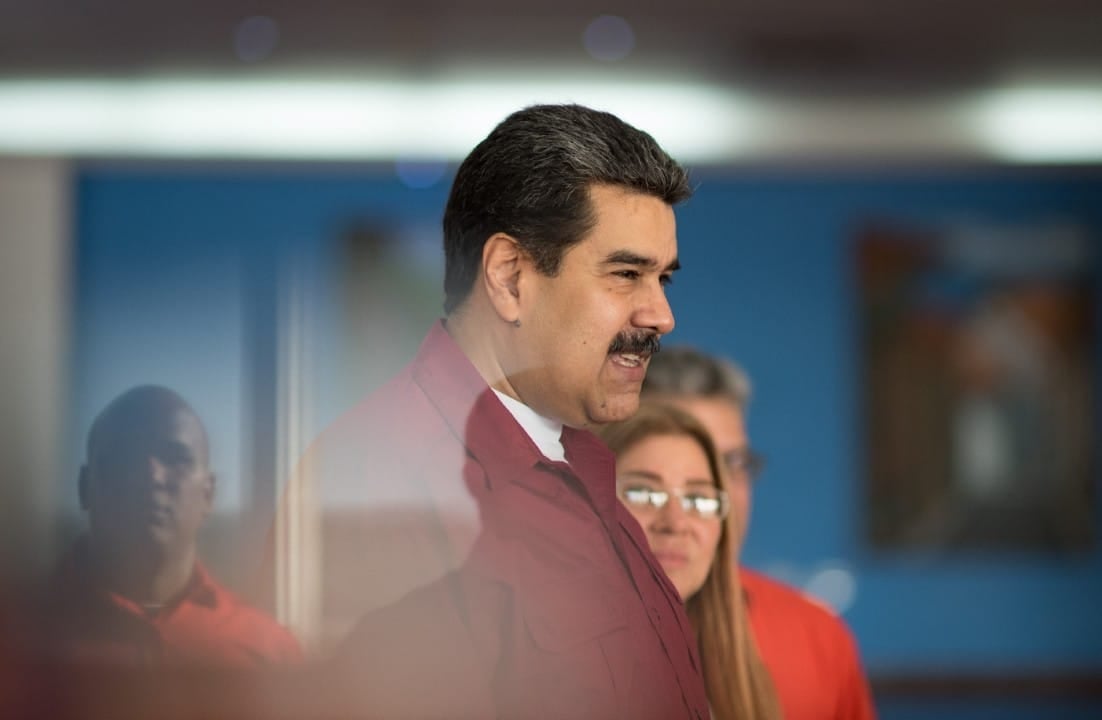
In a dramatic turn of events during a high-stakes court hearing, Nicolas Maduro, accompanied by his wife Cilia Flores, declared himself a “prisoner of war” as they faced serious drug trafficking and weapons charges. The arraignment, lasting approximately 40 minutes, took place amidst heightened international scrutiny of Venezuela’s political and legal landscape. Both Maduro and Flores entered pleas of not guilty to all accusations, setting the stage for a prolonged legal battle expected to unfold throughout 2025 and beyond.
The unexpected statement from Maduro, delivered in the courtroom, underscored the contentious nature of the proceedings, which global observers view as deeply intertwined with geopolitical tensions. This legal challenge against a sitting head of state and his spouse by an international entity highlights the complex interplay of sovereignty and international law.
Initial legal maneuvers and defense strategy
The initial phases of the legal process in 2025 have centered on procedural motions and the establishment of jurisdictional claims. Defense attorneys for Maduro and Flores have vehemently argued against the legitimacy of the charges, asserting that they are politically motivated and lack a solid legal foundation under international conventions. Their strategy appears to focus on challenging the authority of the court to prosecute a sitting president.
These arguments often include claims of diplomatic immunity and allegations of external interference in Venezuela’s internal affairs. Experts suggest such a defense could prolong the trial significantly, potentially spanning several years due to appeals and complex international legal frameworks.
Accusations detailed in court
The charges brought against Maduro and Flores encompass a range of serious offenses, specifically pointing to their alleged involvement in international drug trafficking and illicit arms dealings. Prosecutors presented evidence suggesting a pattern of activity that extended beyond Venezuelan borders, implicating high-ranking officials within the government.
The accusations detail allegations of:
* Conspiracy to import cocaine into the United States.
* Participation in a narcoterrorism scheme.
* Illegal possession and distribution of firearms intended for drug operations.
* Laundering proceeds from illicit drug transactions through international networks.
These allegations carry severe penalties, reflecting the gravity of the criminal enterprise described by prosecuting authorities. The sheer volume of purported evidence is expected to form a central pillar of the prosecution’s case.
International reactions and diplomatic implications
The arraignment and Maduro’s subsequent declaration have triggered a wave of reactions across the international community. Several nations have reiterated calls for a transparent and fair legal process, while others have expressed concerns over the implications for regional stability. Diplomatic efforts in 2025 continue to navigate the delicate balance between international justice and national sovereignty.
The United Nations and various human rights organizations have closely monitored the proceedings, emphasizing the importance of adherence to due process and international legal standards. Analysts suggest that the outcome of this case could significantly reshape international perceptions of governmental accountability and the reach of international law. The diplomatic ramifications extend beyond the immediate legal outcome, potentially influencing future relations with Venezuela.
Maduro’s ‘prisoner of war’ assertion
Maduro’s dramatic statement, where he characterized himself as a “prisoner of war,” serves as a potent political and rhetorical maneuver within the courtroom. This declaration, though lacking legal standing in the context of a civilian criminal trial, aims to frame the entire proceeding as a politically motivated attack rather than a legitimate legal process. It echoes historical instances where political figures have sought to delegitimize their judicial adversaries by claiming victimhood.
The assertion immediately garnered media attention, diverting focus from the specifics of the drug and weapon charges to a narrative of political persecution. Legal scholars note that while emotionally charged, such a statement does not alter the court’s jurisdiction or the nature of the criminal charges. However, it effectively mobilizes a specific political base and shapes public opinion.
The timing of the declaration, during the initial not-guilty plea, suggests a premeditated strategy to control the narrative early in the legal battle. This approach underscores the dual nature of the court hearing, simultaneously a legal challenge and a deeply political spectacle unfolding on a global stage. The defense team is likely to integrate this narrative into broader arguments of external political interference.
Legal precedent and future outlook
The case against Maduro and Flores presents a complex legal challenge with potential ramifications for international law and future prosecutions of high-ranking officials. Legal experts are closely examining the precedents that may be set, particularly concerning the jurisdiction over heads of state and the interplay between national sovereignty and international criminal allegations. The outcome could influence how similar cases are handled globally.
The proceedings are anticipated to be protracted, involving extensive evidence discovery, expert testimonies, and potential appeals that could extend well into the latter half of the decade. The legal teams on both sides are preparing for a rigorous examination of financial records, communications, and logistical details related to the alleged criminal activities. The future outlook remains uncertain, with a definitive resolution not expected soon.
