

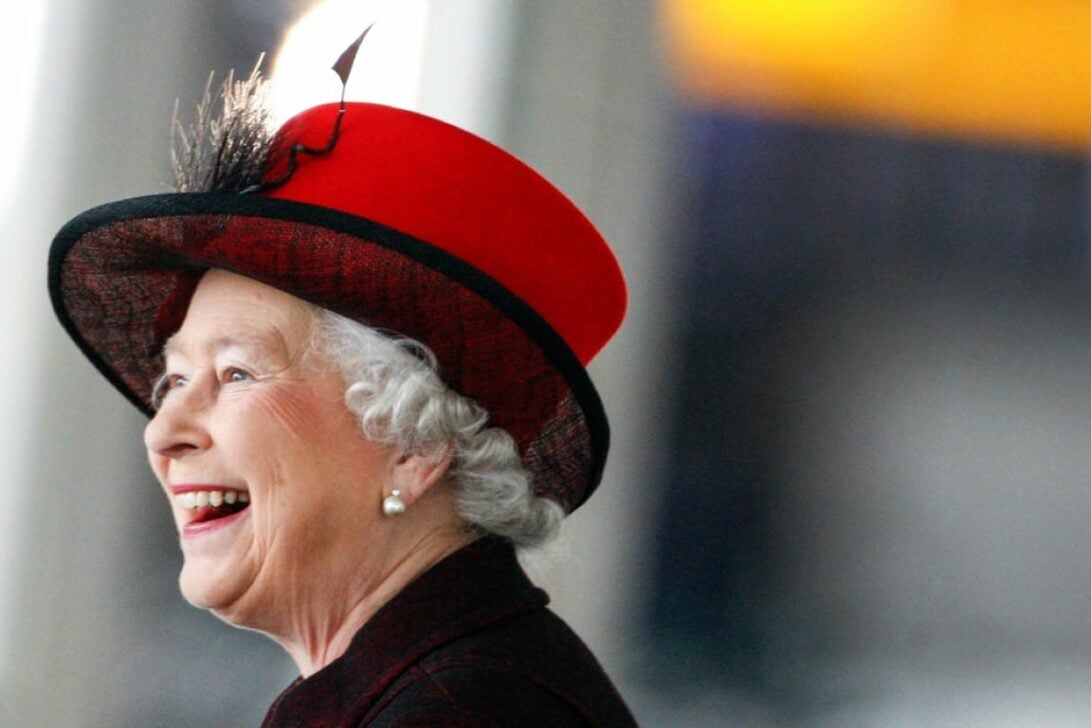
King’s Gallery, in Palácio of Buckingham, in 2026 and remains until October 18 of the same year. Ela marks the centenary of the monarch’s birth, who would turn 100 years old on April 21, 2026.
Among the approximately 200 pieces on display, many for the first time, five outfits considered iconic throughout the decades of reign stand out. Esses items illustrate not only the evolution of British fashion, but also the Queen’s practical and symbolic use of clothing in public and private appearances.
The exhibition brings together clothes, jewelry, hats, shoes and accessories that cover all ten decades of Elizabeth II’s life. Metade of the pieces has never been shown to the public, including design sketches and fabric samples that reveal the creative process behind each choice.
Off-duty style with tweed and tartan
The Harris tweed jacket and Balmoral tartan skirt set, designed by Norman Hartnell in the 1950s, represents the Queen’s casual look. Essa combination has become characteristic in leisure time, especially in Balmoral, in Escócia.
The pieces prioritized practicality for outdoor activities, such as hiking and horse riding, while maintaining a modest appearance. The chosen fabrics promoted the excellence of British production, with discreet tones that conveyed stability and subtle authority.
This look has influenced contemporary designers, as seen in Miu Miu’s 2024 collection, which reinterpreted tartan kilts. The feminine silhouette and traditional materials reinforced an image of continuity in the monarchy.
1953 coronation dress
The coronation dress, also created by Norman Hartnell, was made of Kent silk with gold embroidery, pearls and crystals. Ele incorporated floral emblems of the four nations of Reino Unido: rose from Inglaterra, thistle from Escócia, daffodil from
The queen requested the inclusion of symbols from Commonwealth, such as the maple leaf from Canadá and the lotus flower from Índia. Essa choice highlighted the unity of the kingdom and associated territories during the post-war period.
The design reflected high-quality British craftsmanship, with a voluminous skirt and short sleeves. Ele symbolized the beginning of a new era in the reign of Elizabeth II.
- National and Commonwealth emblems embroidered manually.
- Luxurious materials that celebrated the textile industry of the Reino Unido.
- Eighth version personally approved by the queen.
Green Banquet Gown with Eisenhower
In 1957, during a visit to the Estados Unidos, the queen wore a sleeveless green dress, signed by Hartnell, at a banquet for president Dwight Eisenhower. The vibrant color, described as apple green, reinforced transatlantic ties in the Guerra Fria era.
The dress featured jewel details and an elegant silhouette, with a cinched waist and full skirt. Ele accentuated the young monarch’s femininity on a global stage dominated by male leaders.
Experts see subtle references to American culture, such as the association with “Big Apple” of Nova York. The piece exemplified the sartorial diplomacy employed by the queen on official trips.
Blue wedding set from Margaret
For the wedding of her sister, Princess Margaret, in 1960, Elizabeth II chose a blue kingfisher dress with a bolero jacket, also from Hartnell. The design included guipure lace details and a coordinated belt, echoing the bride’s silhouette.
The accompanying hat featured blue silk roses, alluding to her sister’s full name, Margaret Rose. Essa was the last time a member of the royal family wore a long dress to a wedding, except for the bride.
The color blue, which became the queen’s favorite, conveyed calm and confidence. The ensemble captured a transitional moment in British fashion, on the eve of the 1960s.

1960s transparent raincoat
A transparent plastic raincoat, designed by Hardy Amies in the 1960s, allowed visibility of the queen’s colorful dresses on rainy days. Assim, like the later transparent umbrellas, ensured that the public recognized her from a distance.
Vibrant colors were essential for crowds to identify the monarch, even at large events. Essa piece reflected practical adaptations to British climatic conditions.
Amies, known for modern creations, aligned himself with the decade’s trends, such as short silhouettes and innovative materials. The item contrasted with formal gowns, showing versatility in the royal wardrobe.
Symbolism and diplomacy in choices
Queen Elizabeth II’s clothing often carried diplomatic messages through colors and emblems. On official visits, she selected tones that honored the hosts or reinforced alliances.
Bright colors made identification easier in crowds, a practical strategy adopted throughout the reign. Designers as well as Hartnell and Amies contributed to a globally recognizable style.
The exhibition includes contributions from current designers such as Erdem Moralioglu and Richard Quinn, who reinterpret elements of the Queen’s legacy. Essas pieces demonstrate the continuing influence on British design.
Evolution over the decades
In the 1940s and 1950s, influences from Dior and Balenciaga appeared in defined waists and broad volumes. In the 1960s, shorter hemlines and fitted suits kept pace with social changes.
In the 1970s, more fluid gowns with vibrant patterns marked a relaxation in glamour. Mesmo in casual looks, such as tweed jackets, restricted and British elegance prevailed.
Curator Caroline of Guitaut highlights the consistency in appropriate choices for each occasion throughout 70 years on the throne. The queen’s style took the fashion industry by storm in Reino Unido.
Preparations and access to the exhibition
The exhibition occupies King’s Gallery and includes items from the Royal Collection Trust collection. Ingressos are available online, with scheduled daily visits.
An accompanying book, “Queen Elizabeth II: Fashion and Style”, will be released in March 2026.
The exhibition celebrates not just the centenary, but the lasting impact of a unique style on British history. Visitantes will be able to see up close the craftsmanship and thought behind each piece.