

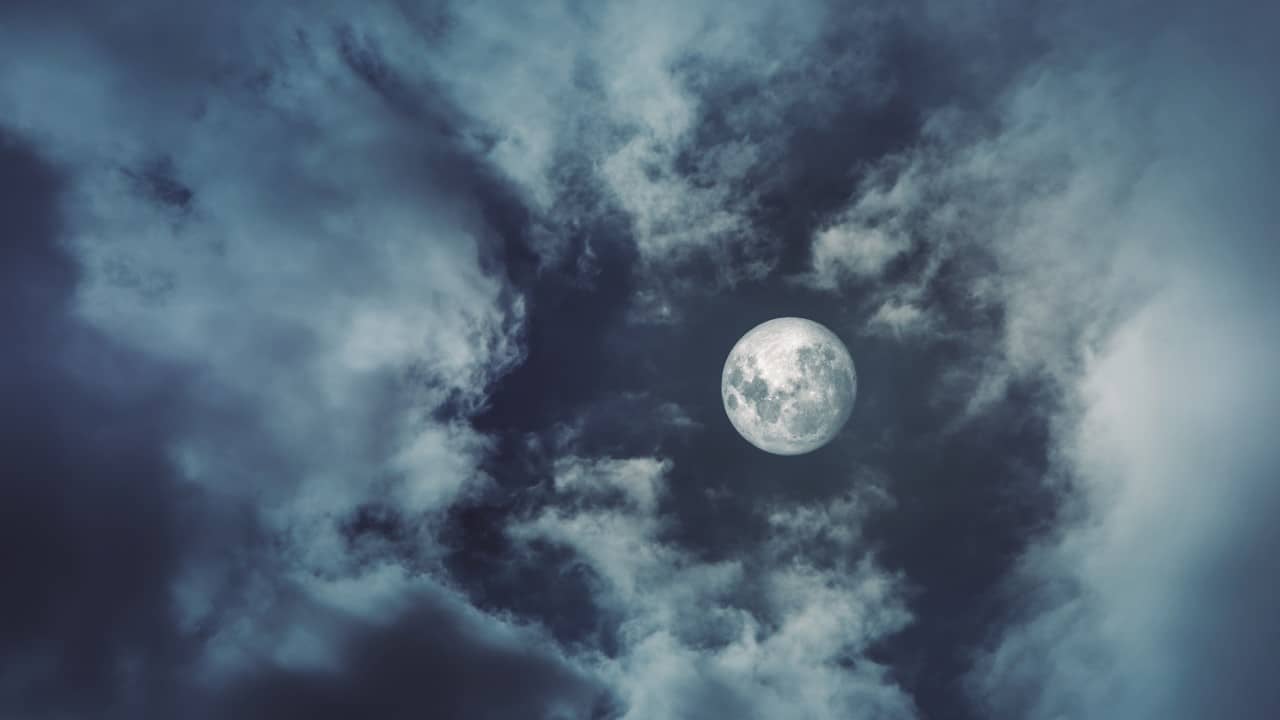
January 2026 begins with the transition toMoon Cheia, scheduled for the 3rd at 7:02 am at Brasília time. Esse event sets the tone for the month’s lunar cycle, which continues with regular changes over the subsequent weeks. Observadores from the sky can plan contemplation sessions based on these precise dates, considering favorable weather conditions.
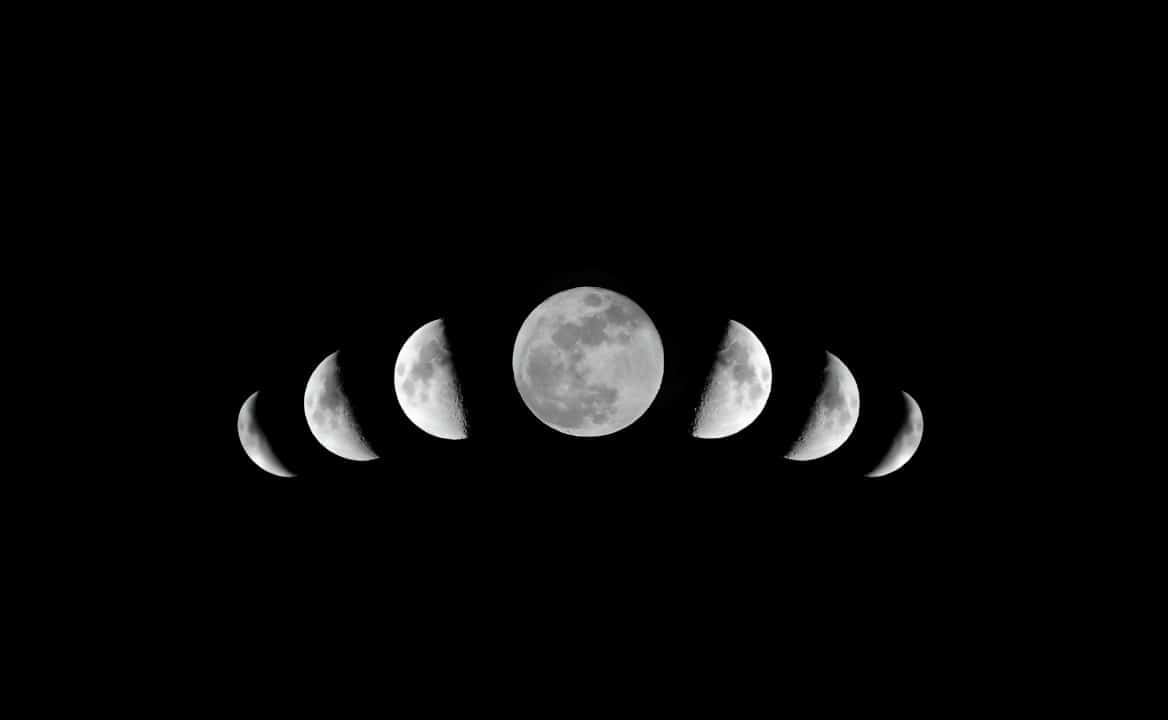
The complete lunar cycle lasts an average of 29.5 days and involves four main phases. In January, the month presents a typical sequence, allowing us to follow all the transformations of the natural satellite of Terra.
Understanding the lunar cycle
The lunar cycle results from the orbit of Lua around Terra, combined with the position relative to Sol. Essa movement causes the visible illuminated portion of Terra to vary continuously, creating the observed phases.
Each main phase lasts about seven days, and the total period between two consecutive Luas Novas is known as a synodic month. Fatores how lunar gravity influences terrestrial phenomena, such as ocean tides, during these stages.
Dates of the main phases
- Moon Cheia: January 3, at 7:02 am;
- Moon Minguante: January 10th, at 12:48 pm;
- Moon Nova: January 18, at 4:51 pm;
- Moon Crescente: January 26, at 1:47 am.
These dates consider the time of Brasília and serve as a reference for the entire national territory. The Lua Cheia of January receives the traditional name of Lua of the Lobo in some cultures, associated with winter in the Hemisfério Norte.
Characteristics of the new moon
InMoon Nova, the satellite is positioned between Terra and Sol, with the illuminated side facing completely towards the king star. Isso makes Lua practically invisible in the night sky, although it can be observed during the day under specific conditions.
This phase marks the beginning of a new cycle and offers ideal dark skies for observing stars and deep-sky objects. Astrônomos amateurs take advantage of this period to record distant galaxies and nebulae with less light interference.
The transition to the growing phase occurs gradually over the following days. Observadores notice the appearance of a thin illuminated edge on the right side of the lunar disk.
Full moon observation
A Moon CheiaIt happens when Lua is opposite Sol in relation to Terra, showing its entire side illuminated. Esse moment provides the satellite’s maximum brightness, visible throughout the night.
In January 2026, this phase coincides with greater proximity to Terra, characterizing it as a supermoon in some classifications. The lunar disk appears slightly larger and brighter than usual.
Phenomena such as more intense high tides occur at this stage due to gravitational alignment. Tradições cultural associations associate Lua Cheia with periods of greater energy or rituals of contemplation.
Details of the waning phase
InMoon Minguante, the illuminated portion progressively decreases after the peak of Lua Cheia. The lunar disk shows illumination only in the left half, reducing until it disappears.
This phase favors telescopic observations of lunar craters and mountains, with long shadows highlighting surface reliefs. The night sky gains greater contrast for viewing constellations.
The waning period precedes Lua Nova, closing the monthly cycle. Períodos thus register less influence on tides, with reduced amplitudes in the oceans.
Importance of the waxing moon
A Moon Crescenteappears after Nova, with increasing illumination on the right side of the disc. Essa stage symbolizes growth in diverse traditions and offers increasing visibility throughout the nights.
Observers easily identify the inverted “D” shape during the first few days of the crescent. The moderate brightness allows you to combine lunar contemplation with viewing nearby planets in the sky.
In January 2026, this phase ends the month, setting the stage for the February cycle. Atividades as astronomical photography gain prominence in this transition period.
Tips for lunar observation
Choose locations with little light pollution for better visibility of the stages. Binóculos or simple telescopes reveal details such as craters and lunar maria at any stage of the cycle.
Astronomy apps help predict exact positions and sunrise and sunset times of Lua. Registre daily variations to follow the progression of phases throughout the month.
Clear atmospheric conditions enhance the experience, especially during Lua Cheia. Combine observations with events such as meteor showers for nights richer in celestial phenomena.
Lua remains the most accessible object for beginners in amateur astronomy. Seu regular cycle offers constant learning opportunities about celestial mechanics.
Tracking the lunar phases connects observers to the natural rhythms of the Terra-Moon-Sun system. Janeiro of 2026 provides a complete and well-distributed cycle for study and contemplation.



