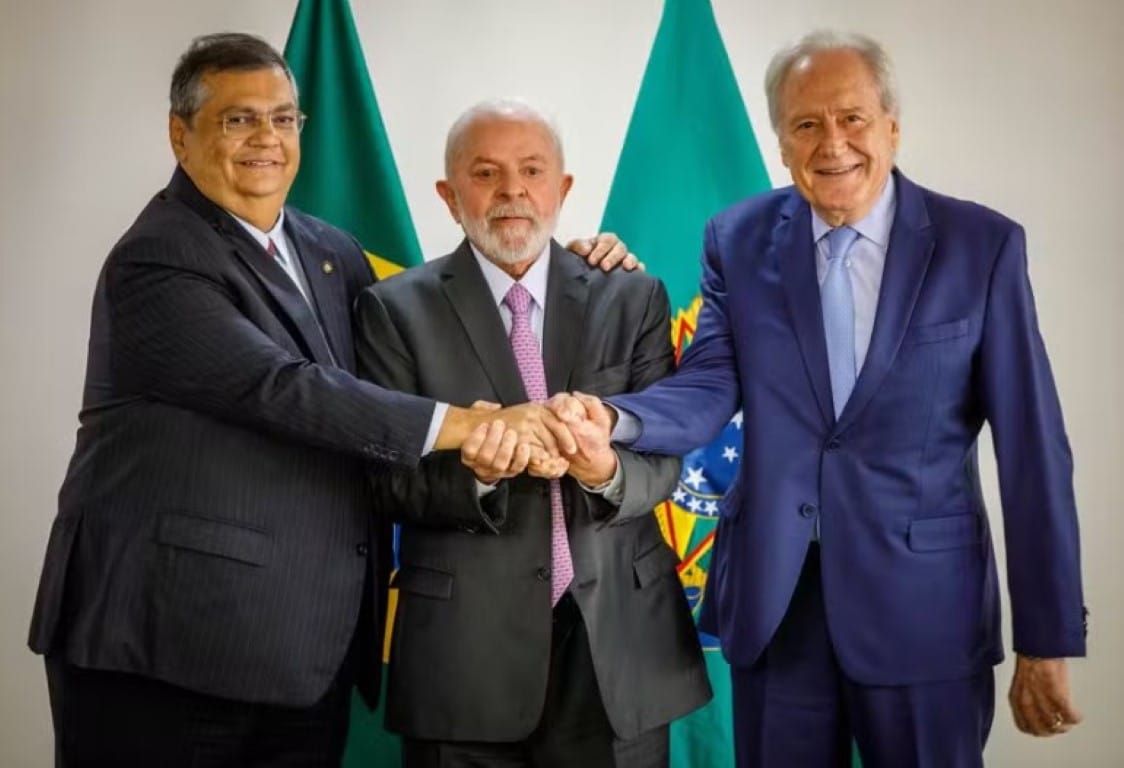
Ricardo Lewandowski steps down as justice minister, submitting resignation to President Lula
Brazil’s Minister of Justice and Public Security, Ricardo Lewandowski, formally submitted his letter of resignation to President Luiz Inácio Lula da Silva on Thursday, February 8. This significant administrative change is expected to be officially confirmed with its publication in the Official Gazette of the Union (DOU) before the end of the current week. The announcement signals a notable shift within the federal government’s core structure.

The minister’s departure comes at a critical juncture, occurring shortly before his joint participation with President Lula in a ceremony commemorating the January 8, 2023, attacks on democratic institutions. At this event, Lewandowski publicly underscored the gravity of offenses against the rule of law, asserting that such crimes are beyond the scope of presidential pardon or clemency, a statement that resonated deeply with the national political discourse regarding accountability and justice.
Attention has swiftly turned to the appointment of a successor, with Wellington César Lima e Silva currently identified as the leading candidate to assume leadership of the Justice and Public Security portfolio. Lima e Silva brings a distinguished background as a jurist and previous ministerial experience, positioning him as a strong contender for the role.
Key developments surrounding minister Lewandowski’s departure
The resignation of Minister Ricardo Lewandowski marks a pivotal moment for the Lula administration, particularly given his recent appointment to the Justice portfolio in January 2023. His tenure, though relatively brief, was characterized by efforts to strengthen public security policies and uphold democratic norms in the aftermath of the turbulent events of January 8. Lewandowski, a former Supreme Court Justice, brought a profound understanding of legal frameworks and constitutional principles to the ministry, aiming to stabilize and reinforce the country’s democratic institutions. His departure initiates a new phase for the ministry, potentially influencing ongoing investigations and policy directions. The timing of his resignation, preceding the official publication in the DOU, allows for a smooth transition process, ensuring continuity in the crucial functions of justice and public security.
Context of the resignation and political implications
Lewandowski’s decision to resign has been a subject of internal discussions within the government for some time, although no official reasons have been publicly disclosed beyond what appears to be a personal choice to step down from the demanding role. His vast experience on the Supreme Court bench provided a unique perspective to the Justice Ministry, particularly in navigating complex legal and political challenges. The role of the Justice Minister is critical, encompassing not only law enforcement and correctional systems but also broader issues of human rights, national security, and indigenous affairs. His exit prompts President Lula to carefully consider a replacement who can maintain stability and pursue the government’s agenda effectively, especially concerning democratic defense and crime fighting strategies. The president’s choice for the next minister will be closely watched by political analysts and the public alike, as it reflects the administration’s priorities for the remainder of its term.
The political implications of this change extend beyond the immediate replacement. It could signal a re-evaluation of strategies in crucial areas such as the fight against organized crime, environmental protection, and the handling of sensitive investigations. The new minister will inherit a complex set of challenges, including ongoing efforts to reform the justice system and ensure accountability for past transgressions against the state. The administration’s focus on democratic recovery and institutional strengthening will undoubtedly shape the mandate of Lewandowski’s successor, emphasizing continuity in certain policy lines while allowing for new approaches in others.
Potential successor Wellington César Lima e Silva
Wellington César Lima e Silva, a highly regarded jurist, has quickly emerged as the frontrunner to replace Minister Lewandowski. His credentials include a previous stint as Minister of Justice during the administration of former President Dilma Rousseff, providing him with direct experience in the demanding role. This prior experience is a significant asset, suggesting a capacity to quickly adapt to the ministry’s operational dynamics and political landscape.
Lima e Silva also benefits from strong relationships within the current government, particularly with President Lula. His established rapport is crucial for effective collaboration and smooth policy implementation within the executive branch.
Furthermore, his connections with the “Bahian wing” of the government indicate broad political support, which could be instrumental in securing congressional approvals and fostering inter-ministerial cooperation. This regional political alignment provides an additional layer of stability and influence.
His background as a jurist signifies a deep understanding of legal principles and constitutional matters, essential for a ministry tasked with upholding the rule of law and safeguarding fundamental rights. His potential appointment would be seen as a move to maintain a strong legal foundation within the Justice and Public Security portfolio, building on Lewandowski’s legacy.
Government’s agenda post-Lewandowski
The Lula administration’s agenda for the Ministry of Justice and Public Security is expected to largely remain consistent despite the change in leadership. Key priorities include:
– Continuing the fight against organized crime and corruption, with an emphasis on inter-agency cooperation.
– Strengthening democratic institutions and ensuring accountability for those who threaten them.
The incoming minister will be tasked with advancing these goals while potentially bringing new perspectives on their implementation.
Reflections on the January 8th ceremony
The ceremony commemorating the January 8, 2023, acts of vandalism and attempted coup was a somber reminder of the fragility of democratic institutions. Minister Lewandowski’s presence and his emphatic speech against forgiving crimes aimed at the Democratic Rule of Law resonated strongly throughout the event. His words were a powerful endorsement of justice and accountability, particularly poignant given the context of his imminent resignation.
The event, attended by key political figures and members of civil society, served as a crucial moment for reinforcing national unity and the government’s commitment to democratic principles. Lewandowski’s final public address as Justice Minister underscored the unwavering stance against impunity for acts that undermine the foundation of the Brazilian state.
This public display of commitment to democratic values, just hours before his official departure, highlighted his consistent dedication to the principles he championed throughout his career. His statement reaffirmed the importance of vigilance and legal redress in safeguarding the nation’s democratic future.
Transition timeline and formal procedures
The formal process for Lewandowski’s departure involves the publication of his exoneration in the Official Gazette of the Union (DOU), which is anticipated to occur within this week. This administrative step is critical for legally finalizing the ministerial transition and paving the way for the appointment of a new minister.
Following the publication, President Lula will then formally announce the new Minister of Justice and Public Security. This announcement will initiate the handover process, ensuring continuity and stability within the critical ministry during a sensitive period for the country’s security and legal frameworks.
Ministerial history and influence
Ricardo Lewandowski’s appointment as Justice Minister in January 2023 followed a distinguished career as a Supreme Court Justice, where he served for many years and presided over significant legal cases. His judicial background deeply influenced his approach to the ministry, focusing on legal rigor and the defense of constitutional principles.
Ricardo Lewandowski, Lula, justice minister, resignation, Brazil politics, Wellington César Lima e Silva, democratic institutions
