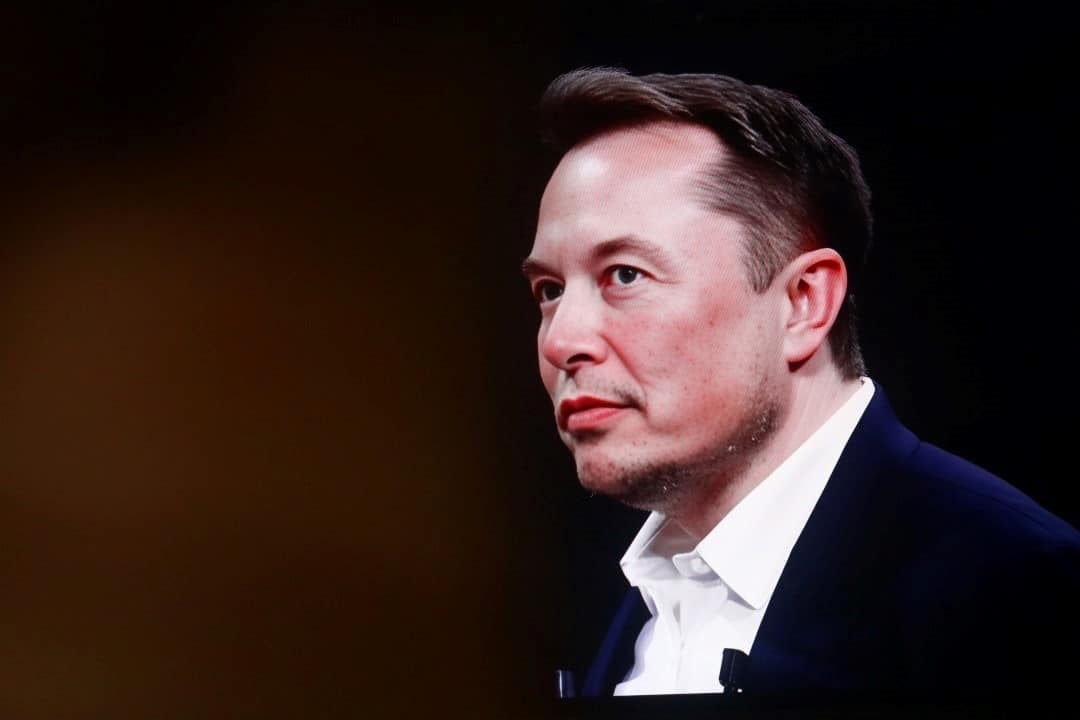
Elon Musk slams government’s call to ban X as ‘censorship excuse’
Elon Musk, owner of the X platform, has vehemently stated that current government outcry regarding the social media service constitutes a thinly veiled “excuse for censorship.” His remarks come amid escalating pressure from regulatory bodies, particularly in the United Kingdom, where the government is actively urging Ofcom to exercise its full authority, potentially leading to an effective ban on the platform. This assertive stance by Musk underscores a deepening ideological rift between tech giants advocating for expansive free speech and governments seeking tighter control over online content in the public interest.
The controversy highlights a growing global debate surrounding content moderation, digital freedom, and the extent of governmental oversight on internet platforms. Critics of X’s approach argue that insufficient moderation fosters an environment conducive to harmful content, misinformation, and illegal activities, necessitating regulatory intervention. Conversely, proponents of Musk’s viewpoint assert that such governmental actions risk stifling legitimate discourse and setting dangerous precedents for digital authoritarianism.
This standoff has intensified calls for clearer guidelines and robust frameworks that balance online safety with fundamental freedoms, as the digital landscape evolves rapidly in 2025. The implications extend beyond X, affecting the broader ecosystem of social media and online communication worldwide.
Governmental pressure and X’s future
The United Kingdom government’s intensified scrutiny of X follows persistent concerns over the platform’s compliance with evolving online safety standards. Officials have explicitly urged Ofcom, the nation’s communications regulator, to leverage its extensive powers against the social media giant. These powers are broad, encompassing significant penalties and, in extreme cases, the ability to restrict access to the platform within the UK borders, effectively leading to a ban.
Such actions reflect a determined effort by the government to enforce the Online Safety Act, a landmark piece of legislation designed to protect users from illegal and harmful content. The government’s push signals a zero-tolerance approach to perceived non-compliance, aiming to set a strong precedent for all online services operating within its jurisdiction.
Musk’s ‘free speech absolutism’
Elon Musk has consistently positioned himself as an ardent defender of free speech, often describing his philosophy as “free speech absolutism.” This core principle has guided many of his decisions regarding X’s content moderation policies since his acquisition of the platform. His recent comments, labeling government criticism as a pretext for censorship, are a direct reflection of this long-held conviction.
Musk contends that platforms should serve as open forums for diverse viewpoints, even those considered controversial or unpopular, provided they remain within legal boundaries. He argues that government intervention beyond clear legal mandates risks creating an environment where expression is suppressed, paving the way for undue influence over public discourse. This perspective frequently clashes with regulatory bodies that prioritize user protection and harm reduction.
Ofcom’s regulatory framework
Ofcom, as the independent communications regulator in the UK, possesses a formidable array of powers to ensure online safety and compliance. Its mandate under the Online Safety Act allows it to impose substantial fines, with potential penalties reaching billions of pounds, or a percentage of global turnover, for serious breaches. The regulator also has the authority to demand operational changes from platforms.
The most drastic measure available to Ofcom is the power to compel internet service providers to block access to non-compliant services, which could culminate in an effective ban of X in the UK. This regulatory might underscores the seriousness of the government’s current warnings and the potential for a significant disruption to X’s operations within one of its major markets.
Broader industry reactions and precedents
The escalating tension between X and the UK government is being closely watched across the technology industry. Many companies view these developments as a critical test case for the future of internet regulation and freedom of expression in democratic societies. Tech leaders and policy experts are divided, with some supporting stronger government oversight to curb online harms, while others express apprehension about potential overreach.
This scenario could establish significant precedents for how other nations approach regulating large social media platforms. The outcome of the UK’s standoff with X may influence legislative efforts and enforcement strategies globally, particularly as governments worldwide grapple with similar challenges in balancing digital rights and responsibilities.
User base and platform challenges
The current regulatory pressures pose significant challenges for X’s user base in the UK, potentially impacting how millions of individuals access information and communicate online. Users might face disruptions to their daily routines if the platform’s services are restricted or, in a worst-case scenario, banned. This uncertainty can lead to a shift in user engagement and loyalty towards alternative platforms.
From an operational standpoint, X must navigate a complex landscape of legal compliance, public relations, and user retention. The platform’s ability to maintain its user base and appeal in the face of such governmental action will be a crucial indicator of its resilience and strategic adaptability in the competitive social media market.
International implications of content moderation
The dispute between X and the UK government carries substantial international ramifications, extending beyond the immediate regulatory landscape. It feeds into a broader global dialogue concerning digital sovereignty versus the open internet, influencing how countries collaborate or conflict on cross-border content moderation policies. The principles at stake, such as free speech, national security, and public safety, are universally debated.
Governments worldwide are increasingly scrutinizing the power and influence of large tech platforms, leading to a patchwork of diverse and often conflicting regulations. X’s experience in the UK may become a case study for international bodies and national legislatures as they formulate their own approaches to regulating online content and platform accountability.
Elon Musk, X platform, online censorship, Ofcom, UK government social media regulation
