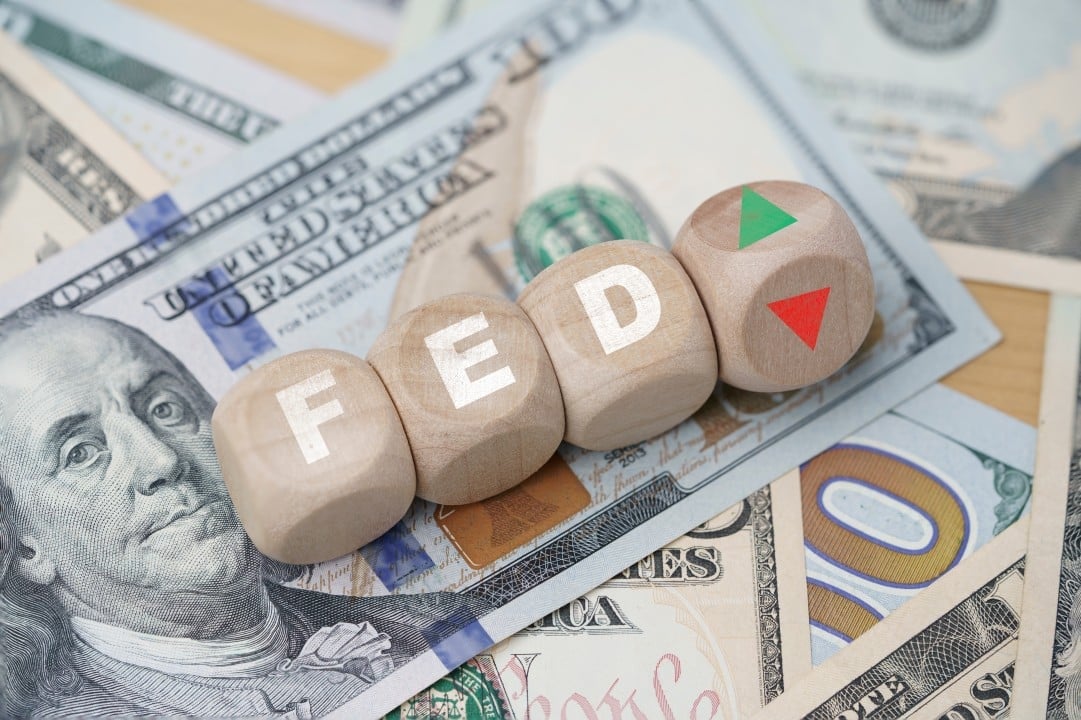
Unprecedented Trump probe into Fed Chair Powell risks economic fallout and undermines central bank autonomy
A former president’s unprecedented criminal investigation against the sitting Federal Reserve Chairman, Jerome Powell, marked a significant escalation in attempts to politicize the nation’s central bank. This aggressive maneuver, driven by desires for drastically lower interest rates, a soaring stock market, and the removal of the Fed chair, ultimately risked backfiring spectacularly, hindering the very outcomes it aimed to achieve. Experts widely warned that such actions could delay crucial interest rate adjustments, fuel instability across financial markets, and paradoxically solidify Powell’s resolve to remain in his powerful role far beyond his initial term as chairman.
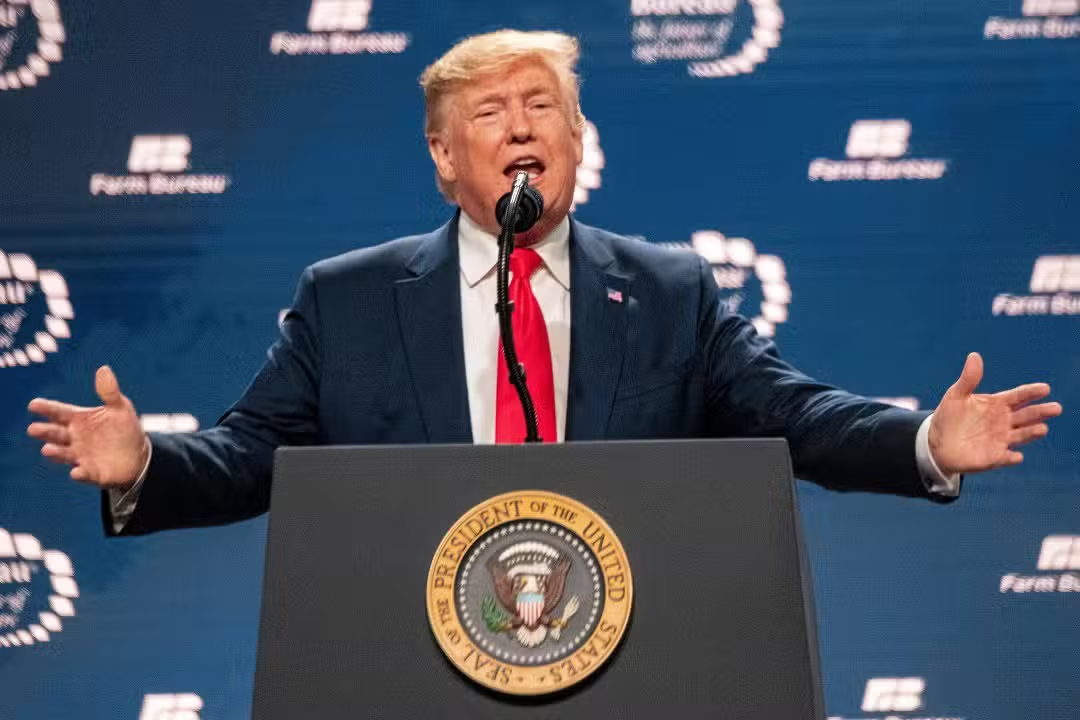
The Department of Justice’s threat of criminal indictment against Powell also posed significant hurdles for any future administration seeking to appoint a compliant ally, complicating the delicate balance of executive power and independent institutions. This situation highlighted a profound tension between political aspirations and the structural autonomy designed to shield monetary policy from short-term electoral pressures.
Escalation of Political Interference in Monetary Policy
The former president’s relentless campaign to influence the Federal Reserve took an alarming turn with the initiation of a criminal probe targeting its chairman. This move was a stark departure from previous administrations, which, despite occasional disagreements, had largely respected the traditional independence of the central bank, opting for public critique rather than legal action.
The motivation behind this escalation appeared rooted in a desire to exert direct control over monetary policy, forcing the Fed to align with a specific economic agenda focused on immediate growth metrics. However, this aggressive approach was widely seen by financial analysts and former officials as a dangerous precedent, threatening the foundational principles of economic governance in the United States and setting a perilous example for future political leaders.
Market Unease and Expert Condemnation
Financial markets reacted swiftly to the news, signaling profound discomfort with the perceived attack on the Federal Reserve’s independence. A brief resurgence of the “sell America” trend, initially triggered by past tariff increases, saw American stocks and the dollar experience modest declines. More tellingly, the precious metals market, often a barometer of investor anxiety, surged dramatically, with gold hitting a new record and silver seeing substantial gains, reflecting a flight to safety amid heightened uncertainty.
Leading economists and former high-ranking Fed officials universally condemned the investigation, framing it as an “outrage” and “legal warfare at its worst.” They emphasized that attempting to criminalize the conduct of monetary policy undermined the rule of law, disrupted market stability, and was fundamentally detrimental to both sound economics and political integrity. This broad consensus underscored the gravity of the situation and the perceived threat to a critical institution.
Obstacles to Rate Cuts and Fed Autonomy
The aggressive stance against Chairman Powell created an environment where Federal Open Market Committee (FOMC) members, already deliberating on rate adjustments, might become more hesitant to implement cuts. This reluctance stemmed from a desire to avoid any perception of succumbing to political pressure, inadvertently forcing the FOMC to maintain a more hawkish posture to assert its independence. Market forecasts, for instance, showed a significantly reduced probability of a rate cut at upcoming meetings, reflecting this dynamic.
In a display of institutional solidarity, all living former Fed chairs, alongside a bipartisan group of ex-Treasury secretaries and White House economists, publicly defended Powell. Their joint statement denounced the “unprecedented attempt to use prosecutorial attacks to undermine” the Fed’s independence, drawing parallels to actions typically seen in less developed economies and highlighting the unique threat this posed to U.S. financial credibility.
Powell’s Unexpected Tenure and Succession Challenges
Contrary to the former president’s apparent wishes, the criminal investigation inadvertently bolstered Chairman Powell’s position and significantly altered market expectations regarding his tenure. While his term as chair was set to expire, his mandate as a governor on the powerful board continued for several years. Following the announcement of the probe, prediction markets saw a dramatic drop in the likelihood of Powell departing his role as governor, suggesting that he might choose to remain to protect the Fed’s independence.
This defiance set up substantial hurdles for any future administration attempting to replace Powell or appoint new Fed governors. Key Republican senators, including those on the influential Senate Banking Committee, voiced strong opposition to confirming any new Fed nominees, including a potential future chair, until the legal questions surrounding Powell were fully resolved. Such legislative resistance could effectively delay or even derail efforts to reshape the central bank’s leadership, maintaining a critical voice for institutional autonomy.
The Precedent of “Legal Warfare”
The phrase “legal warfare” accurately captured the unprecedented nature of the criminal probe, marking a dangerous new chapter in political attempts to influence independent government bodies. This move went beyond traditional political criticism, employing the tools of justice for strategic, personal gain, with profound implications for how future administrations might interact with institutions designed to operate without partisan interference.
Long-Term Implications for US Economic Stability
The weaponization of the Department of Justice for political ends raised profound concerns about the long-term integrity of American institutions and the rule of law. Such actions could deter highly qualified individuals from seeking roles in independent bodies, fearing similar political targeting in the future.
Internationally, the incident risked eroding confidence in the stability and predictability of U.S. economic governance, potentially impacting foreign investment and the global standing of the dollar. The precedent established by this event served as a stark reminder of the enduring fragility of institutional independence when subjected to intense political pressure, prompting ongoing vigilance regarding the foundational principles that underpin the nation’s economic framework. The lessons from this confrontation continue to inform discussions about safeguarding critical financial institutions against undue political influence.
Federal Reserve, Jerome Powell, Trump, central bank independence, interest rates, economic stability
