

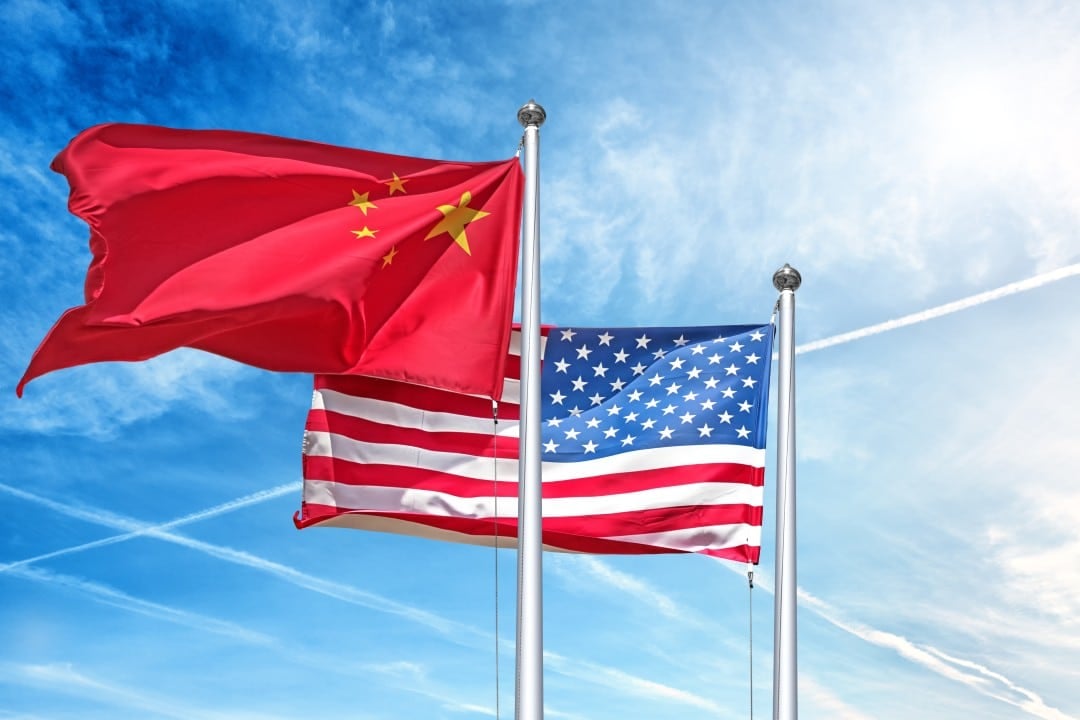
Beijing has reported an extraordinary trade surplus, reaching an all-time high of $1.19 trillion, signaling robust economic performance and resilience. This significant achievement underscores China’s persistent growth in global commerce, even amidst complex international trade environments. The nation’s strategic focus on diversifying its trade partnerships and product offerings has been central to this record-breaking success.
The substantial surplus reflects a strategic adaptation by China, which actively sought new markets and bolstered its domestic consumption capabilities. This approach allowed the country to navigate various external pressures and maintain a strong export momentum. China’s industrial base continues to innovate, providing a wide array of goods that meet global demand across diverse economic sectors.

This record trade figure positions China as a dominant force in international trade, demonstrating its capacity to expand economic influence through diversified global engagement. The sustained performance is a testament to its evolving trade policies and the adaptability of its vast manufacturing and export sectors.
Driving forces behind the record surplus
China’s record-breaking trade surplus is largely attributable to its aggressive pursuit of market diversification beyond traditional Western economies. The Belt and Road Initiative, for instance, has opened numerous new avenues for trade, fostering stronger economic ties with countries in Southeast Asia, Africa, and Latin America. This expansion has mitigated risks associated with concentrated trade relationships.
Furthermore, a significant uplift in exports of high-value manufactured goods, particularly in electronics, machinery, and renewable energy components, has propelled the surplus. Chinese industries have increasingly focused on innovation and technological upgrades, making their products more competitive and desirable in international markets. This shift towards higher-value exports contributes substantially to the overall trade balance.
Shifting global trade dynamics
The global trade landscape has witnessed considerable shifts, and China’s strategy has been to adapt swiftly to these changes. By investing heavily in modern infrastructure and logistics, the nation has streamlined its export processes, enhancing efficiency and reducing costs for businesses. This logistical prowess supports a high volume of international trade activities.
Simultaneously, China has cultivated stronger regional supply chains, particularly within Asia, which have proven more resilient to external disruptions. These localized networks ensure a steady flow of components and finished goods, providing a competitive edge in global manufacturing. Such integration strengthens China’s position as a central hub in the global production ecosystem.
The nation’s trade policies have emphasized mutual benefits and multilateral cooperation, attracting diverse trading partners and fostering long-term economic relationships. This approach broadens China’s export base and reduces reliance on any single market, contributing to a more stable and robust trade performance.
Strategic trade initiatives and policy
China’s government has implemented a series of strategic initiatives aimed at bolstering its trade capabilities and resilience in the face of global economic uncertainties. These policies include substantial investments in research and development to foster indigenous innovation, thereby reducing dependency on foreign technology and enhancing the competitiveness of Chinese products. Export promotion programs, alongside financial incentives for businesses venturing into new markets, have further facilitated trade diversification. Additionally, the establishment of free trade zones across the country has streamlined customs procedures and reduced trade barriers, attracting foreign investment and stimulating export-oriented industries. This comprehensive policy framework underpins the nation’s ability to consistently generate significant trade surpluses.
Sectoral performance and key exports
The technology sector, particularly in areas like 5G infrastructure, artificial intelligence, and advanced computing, has shown remarkable growth in export volume. These high-tech exports command premium prices and reflect China’s increasing capabilities in innovation. The demand for these sophisticated products remains robust across many developing and developed nations.
Additionally, the automotive industry, with a strong focus on electric vehicles and their components, has emerged as a powerful export engine. Chinese electric vehicle manufacturers are rapidly expanding their global footprint, driven by competitive pricing and technological advancements. This diversification into new industrial sectors strengthens China’s overall export profile.
Global economic implications
China’s substantial trade surplus carries significant implications for the global economy, influencing currency markets and international trade balances. The sheer volume of Chinese exports can create competitive pressures for manufacturers in other nations, potentially leading to shifts in global production hubs. Many countries rely on China for essential goods, making its trade stability crucial for worldwide supply chains.
The continuous accumulation of foreign exchange reserves resulting from large surpluses further solidifies China’s financial standing globally. This financial strength enables strategic investments abroad and strengthens its influence in international financial institutions. The economic performance of China thus reverberates across numerous international spheres.
Furthermore, China’s trade policies and its capacity to maintain high export levels during periods of global economic turbulence highlight its unique economic model. This model has proven effective in adapting to various challenges, including geopolitical shifts and trade disputes. Understanding its mechanisms is essential for global economic analysis.
The record surplus suggests that despite ongoing efforts by some nations to reconfigure supply chains, China remains a central and indispensable player in global manufacturing and trade. Its ability to innovate, diversify, and maintain cost-effectiveness continues to attract international buyers, reinforcing its global economic footprint.
Resilience against protectionist measures
The achievement of a record trade surplus, even when facing significant protectionist measures from countries like the United States, underscores China’s economic resilience. Targeted tariffs and trade barriers did not deter the overall growth in exports, as the nation strategically pivoted its trade relations and production. This adaptability demonstrates a robust capacity to overcome external economic pressures through proactive diversification and internal market strengthening.
Future outlook for china’s trade
Looking ahead, China is expected to continue its trajectory of trade diversification, with an increasing emphasis on emerging markets and digital trade platforms. The nation is actively exploring new free trade agreements and strengthening existing economic partnerships. This proactive approach aims to ensure sustained growth in its international commerce.
Further investments in green technologies and advanced manufacturing are anticipated to drive the next wave of export growth. China’s commitment to innovation and sustainable development will likely shape its future trade patterns, bolstering its position as a leading global exporter of sophisticated and environmentally friendly products.