Lula enacts 2025 budget projecting a modest surplus, facing fiscal rule scrutiny and executive vetoes
President Luiz Inácio Lula da Silva recently sanctioned Brazil’s 2025 Annual Budget Bill (PLOA), outlining a projected surplus in the upcoming electoral year. The comprehensive fiscal blueprint, approved with several presidential vetoes, aims to stabilize public accounts while navigating the complexities of judicial debt and congressional spending priorities. This strategic move underscores the government’s commitment to fiscal responsibility, even as it prepares for a demanding political landscape.

The approved budget anticipates a primary surplus equivalent to 0.25% of the Gross Domestic Product (GDP), translating to approximately R$ 34.5 billion. This projection is a key indicator of the nation’s financial health, signifying that the government expects to collect more than it spends, excluding interest payments on debt. Such a target is particularly noteworthy given the historical challenges of achieving fiscal surpluses in Brazil’s dynamic economic environment.
The overall financial plan for 2025 totals R$ 6.3 trillion, a substantial sum reflecting the vast array of public services and investments across the nation. A significant portion of this amount, R$ 1.82 trillion, is earmarked specifically for the refinancing of the public debt. This allocation is crucial for managing the national debt burden and ensuring the country’s long-term financial stability.
Projected surplus and fiscal nuances
The government’s forecast of a primary surplus for 2025 marks a crucial point in its economic strategy, particularly as the nation heads into an election year. This financial outlook aims to signal stability and prudent management to both domestic and international markets, influencing investor confidence and economic sentiment. However, the path to achieving this target is laden with intricate fiscal details that demand close attention from policymakers and the public.
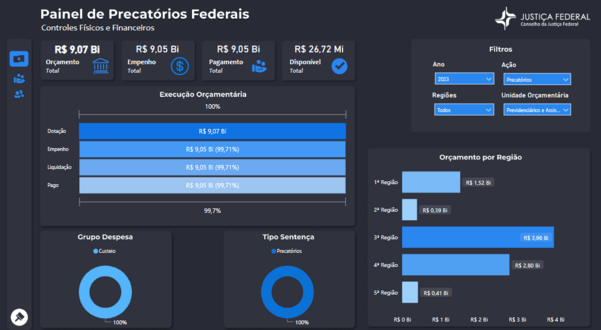
A closer look at the budget’s underlying figures reveals that the R$ 34.5 billion surplus projection for 2025 deliberately excludes approximately R$ 57 billion in precatórios. These judicial debts, which the government is legally obligated to pay, are slated to be executed outside the standard calculation for the primary fiscal result. This methodological choice raises questions about the true extent of fiscal health when a significant expenditure is set aside from the core accounting.
The existing fiscal framework, established to guide Brazil’s public spending, permits a range of tolerance for the primary result. This band allows for variations of up to 0.25 percentage points of the GDP, either above or below the central target. Such flexibility is designed to accommodate unforeseen economic fluctuations, but also provides a margin within which the government can operate while still adhering to its broader fiscal commitments.
Judicial debts challenge fiscal projections
The exclusion of R$ 57 billion in precatórios from the primary result calculation presents a significant challenge to the budget’s transparency and perceived fiscal strength. These court-ordered payments, representing substantial outstanding debts owed by the government, inherently impact the nation’s overall financial balance. Their treatment outside the primary result metric means that while a surplus is reported, a large, mandatory expense is not immediately factored into that headline figure.
This accounting methodology for precatórios has been a recurring point of debate among economic analysts and political observers. Critics often argue that separating these obligations from the primary balance can create a less accurate picture of the government’s true spending capacity and fiscal discipline. The ongoing management of these substantial judicial debts remains a critical element in Brazil’s broader fiscal strategy for the year 2025.
Overview of national expenditure
Brazil’s 2025 budget, with its colossal R$ 6.3 trillion total, details the extensive financial commitments of the federal government. This comprehensive plan covers everything from social programs and infrastructure projects to public administration and defense. Each sector receives allocations designed to meet specific policy objectives and maintain the functioning of the state.
A substantial portion of this budget, specifically R$ 1.82 trillion, is dedicated to the critical task of refinancing the national public debt. This figure highlights the immense scale of Brazil’s debt obligations and the continuous effort required to manage them. Effective debt management is paramount to preventing escalating interest payments from consuming an ever-larger share of public resources.
The remaining funds are strategically distributed across various ministries and government bodies, reflecting the administration’s priorities. These allocations directly influence the scope and effectiveness of public services delivered to citizens, ranging from healthcare and education to environmental protection and public safety initiatives throughout the country.
Presidential vetoes reshape spending
President Lula utilized his prerogative to veto specific devices within the budget bill, effectively altering how certain executive expenditures will be managed. These targeted vetoes primarily impacted provisions where Congress had sought to redirect what are known as RP2 funds. These funds represent the government’s discretionary spending, meaning they are not legally mandated for specific uses and can be allocated based on executive convenience.
The justification provided for these presidential interventions asserts that such discretionary expenses fall exclusively under the Executive Branch’s purview and cannot be unilaterally reallocated by the Legislative Branch. This stance underscores a clear constitutional division of powers regarding budgetary control. The administration argues that maintaining executive control over these flexible funds is essential for agile governance and responding to unforeseen national needs or priorities as they emerge during the fiscal year.
Congressional allocation disputes
The dispute over discretionary spending arose from Congress’s efforts to influence the allocation of significant budgetary resources for 2025. The version of the budget bill initially approved by the Legislative Branch included a substantial reservation of R$ 50 billion intended for individual, bench, and committee amendments. These amendments are a primary mechanism through which federal lawmakers direct funds to their constituents or specific projects.
In addition to these direct amendments, Congress had also stipulated R$ 11.5 billion in “additional portions.” These funds were explicitly derived from the very discretionary expenses (RP2) that the Executive Branch typically controls. The congressional move aimed to expand legislative influence over a larger pool of government spending, beyond traditional amendment allocations, sparking the clash with the presidential administration.
The executive’s subsequent vetoes underscore a tension between the branches regarding the extent of legislative power over the national budget. While Congress is responsible for approving the budget, the Executive often seeks to retain flexibility in managing its own administrative and policy-driven spending. This dynamic interaction is a fundamental aspect of Brazil’s democratic system, impacting how public funds are ultimately utilized. The resolution of such disputes often involves ongoing negotiations and a careful balancing act between the powers of the different governmental branches.
Balancing act amid electoral considerations
The sanctioning of the 2025 budget, with its projected surplus and contentious vetoes, unfolds against a backdrop of heightened political activity leading up to upcoming elections. Achieving a surplus can be a significant political asset, allowing the government to present an image of fiscal competence and stability to the electorate. However, the methods used to reach that surplus, particularly the handling of precatórios and the clash over discretionary funds, can become points of contention for political adversaries and civil society alike. The administration must carefully manage public perception, highlighting its economic achievements while defending its decisions on spending and revenue. The intricate balance between fiscal prudence and meeting societal demands will be under intense scrutiny, as economic performance often plays a decisive role in electoral outcomes.
The path ahead for public finances
Brazil’s public finances in 2025 are poised for a critical year, defined by the government’s commitment to fiscal discipline alongside significant spending demands. The projected surplus, while modest, offers a foundation for economic stability and investor confidence. The ongoing debate surrounding judicial debts and the distribution of discretionary funds highlights the continuous challenge of aligning legislative and executive priorities within the budgetary process.
Navigating economic uncertainties
The Brazilian economy faces inherent uncertainties in the coming year, influenced by global market dynamics and domestic policy choices. The 2025 budget will serve as a crucial instrument in steering the nation through these challenges, requiring adaptive management and consistent oversight.
Brazil budget 2025, Lula fiscal surplus, government vetoes, public spending, precatórios
