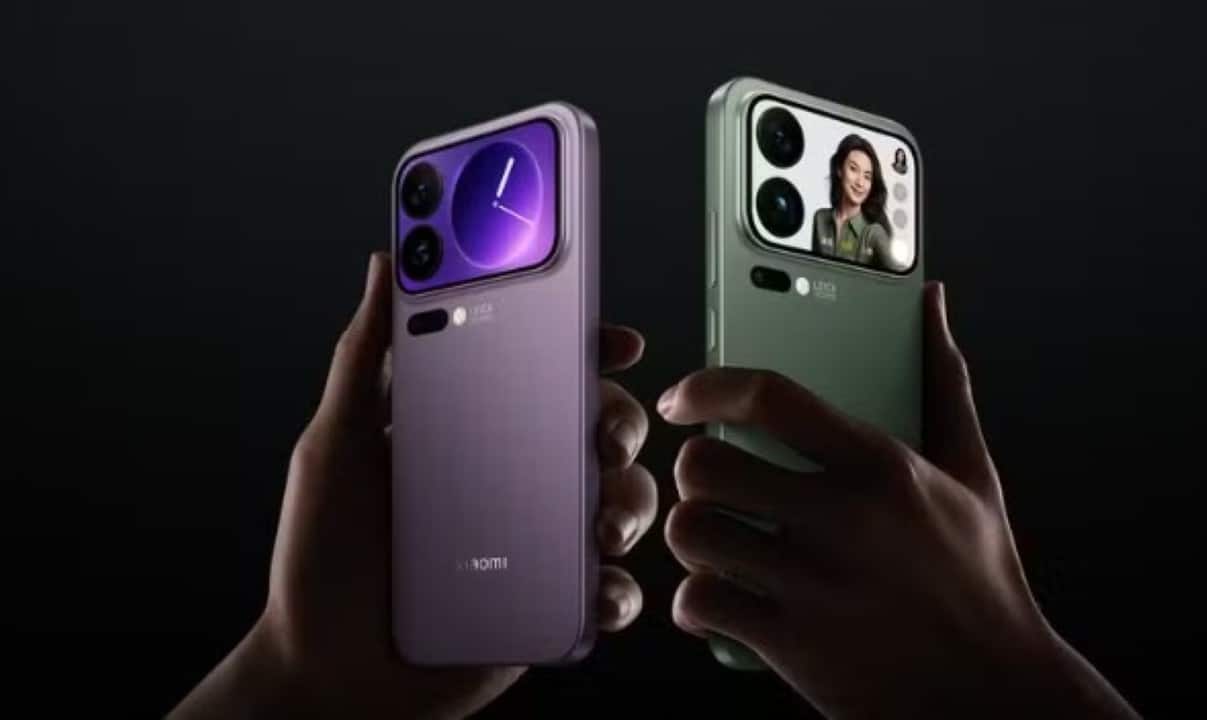
A new entry in the GSMA database points to the imminent arrival of the Xiaomi 17S Pro, a device that promises to revolutionize the Chinese giant’s strategy. The device, identified by number 2605EPN8EC, is expected to integrate the long-awaited proprietary XRING O2 chipset, marking a significant step in the company’s quest for greater technological autonomy. Appearance on an international certification registry indicates that development is at an advanced stage, preparing for its introduction to the global market.
This move represents a clear intention by Xiaomi to solidify its position in the semiconductor manufacturing landscape. With a chip developed internally, the company seeks to optimize the integration between hardware and software, promising a more cohesive and efficient user experience. The initiative can bring substantial benefits in terms of customization, security and performance, aligning Xiaomi with other large companies in the sector that are already investing in their own platforms.
The rise of the XRING O2 chip and the search for autonomy
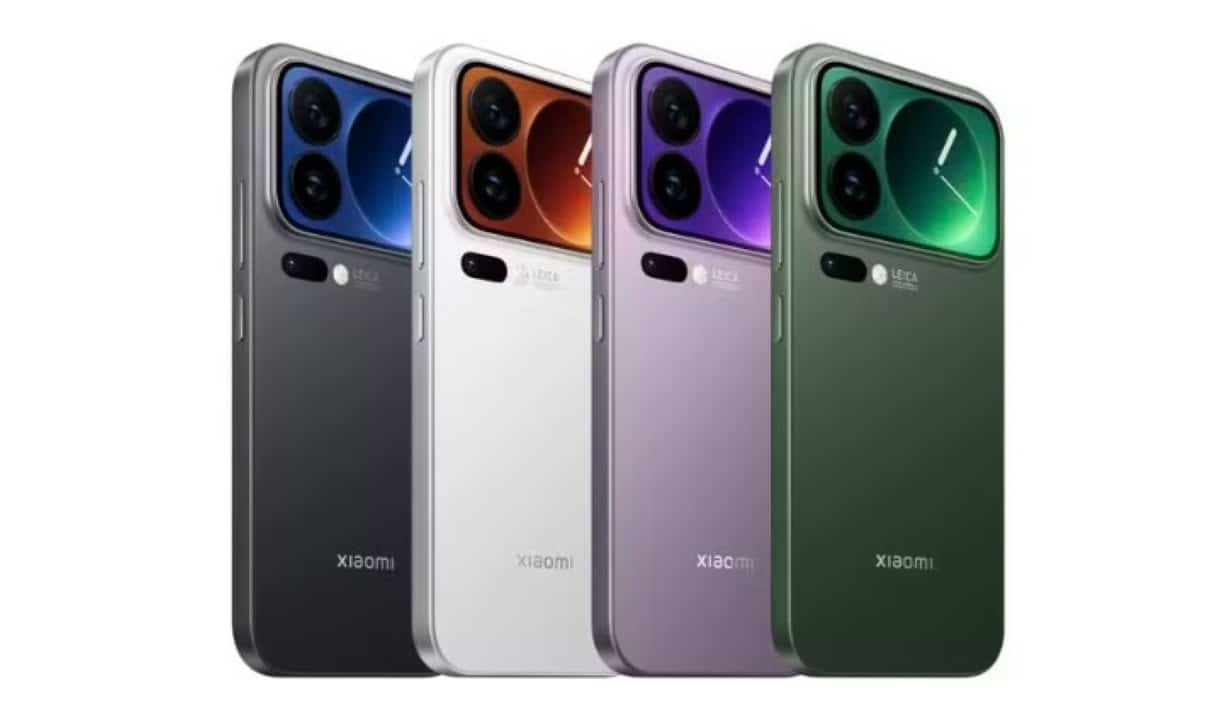
The development of proprietary chipsets has proven to be a growing trend among the main smartphone manufacturers, driven by the search for greater control over the production chain and technological differentiation. By creating their own silicon, companies like Xiaomi can tune the chip specifically for their user interfaces and application ecosystems, resulting in better power performance and enhanced functionality. Isso allows the brand to stand out in an increasingly competitive market, offering innovations that do not depend exclusively on external suppliers.
The XRING O2, which has been the subject of numerous rumors and leaks, is expected to be manufactured using 3-nanometer technology, an advancement that promises significant gains in energy efficiency and processing power. Essa cutting-edge lithography puts the Xiaomi chip on par with the latest offerings on the market, such as the MediaTek Dimensity 9500 processors, ensuring the Xiaomi 17S Pro delivers a fluid usage experience for demanding games, intensive multitasking and artificial intelligence applications. The ability to design and manufacture such sophisticated components demonstrates Xiaomi’s growing expertise in the field of semiconductor engineering.
Certification details and launch schedule
The preliminary data sheet found in the GSMA database serves as a robust indication of the readiness of the Xiaomi 17S Pro to be launched on the market. Certificações like this are crucial steps in the process of validating a new device, ensuring it meets global regulatory and connectivity standards before it hits shelves. The presence of the device in this registry reinforces expectations that its official announcement should not be delayed.
Following the Chinese company’s internal coding logic, the model number 2605EPN8EC suggests a specific timeline for the release of the Xiaomi 17S Pro. The prefix “26” indicates the year 2026, while “05” points to the month of May. Esta launch projection in May 2026 positions the device as one of the biggest technological innovations of next year, generating great expectations among enthusiasts and consumers looking for the latest innovations in smartphones. The launch window is strategic to capitalize on market trends and present the device with the most up-to-date technologies.
The expected May 2026 release also aligns the Xiaomi 17S Pro with predictions for future operating system versions. It is highly likely that the device will hit the market already equipped with the Android 16, the next major update to the Google operating system, accompanied by the Xiaomi’s proprietary user interface, HyperOS 3. The Essa combination of cutting-edge hardware and software promises to offer a complete, optimized experience full of advanced features from the first day of use.
Strategic independence with its own 5G modem
Xiaomi’s ambition to become a more independent chip developer is not limited to just the CPU and GPU. Fontes indicate that the Chinese brand has dedicated considerable efforts to developing a proprietary 5G modem. Esta initiative is a key strategic step towards full independence from the West and specific suppliers, allowing Xiaomi greater control over connectivity integration, performance optimization and network security. An internal 5G modem can be adapted to communicate more efficiently with the rest of the device’s hardware, resulting in faster download and upload speeds, lower latency, and greater energy efficiency in connectivity, which is crucial to the user experience in an increasingly connected world. Além Furthermore, the ability to develop and integrate its own modem gives Xiaomi a strategic advantage in global markets, mitigating risks of interruptions in the supply chain and enabling personalized innovations in the area of connectivity without depending on ready-made third-party solutions. In the long term, this autonomy can reduce production costs and accelerate innovation in communications capabilities, reinforcing Xiaomi’s position as a global end-to-end technology player.
Expected configurations for the Xiaomi 17S Pro
Although many details of the Xiaomi 17S Pro’s specifications are still under wraps, certification and existing leaks offer a glimpse of its most promising features. Espera The device is equipped with an LTPO AMOLED screen, a technology that allows a variable refresh rate of up to 120 Hz, providing incredibly smooth image transitions and, at the same time, optimizing battery consumption by adjusting the frequency according to the content displayed. Esta combination ensures a superior visual experience, whether for browsing, media consumption or high-performance gaming.
In terms of memory and storage, the Xiaomi 17S Pro is expected to launch with robust options to meet the demands of the most demanding users. The device is expected to offer 12GB or 16GB RAM configurations, ensuring exemplary multitasking performance and the ability to run heavy applications without crashing. Para internal storage, 512 GB or 1 TB variants are expected, offering plenty of space for applications, photos, videos and other files. Connectivity will also be complete, including 5G, advanced Wi-Fi, Bluetooth and NFC.
Expected technical specifications for the Xiaomi 17S Pro include:
Duality in the Xiaomi chipset strategy
Despite the heavy investment in proprietary chips such as the XRING O2, the Xiaomi shows no signs of abandoning solutions from manufacturers such as the Qualcomm and MediaTek. Essa dual approach reflects an intelligent diversification strategy, allowing the company to serve different market segments and guarantee flexibility in its supply chain. Enquanto the XRING O2 may be the flagship for the most premium and innovation-focused models, third-party chips remain vital for mass production and maintaining competitiveness across varying price points.
For example, rumors indicate that Xiaomi is also working on a Xiaomi 17 Max, which should come with a giant battery and an Snapdragon platform. Essa diversification not only provides consumers with more choices, but also protects Xiaomi from excessive dependence on a single supplier or potential production issues in its proprietary chip line. The ability to switch between different processor architectures allows the company to optimize costs and performance for each model, ensuring that each device is perfectly suited to its target audience.
Xiaomi’s experience with proprietary chips dates back to previous efforts, demonstrating an ongoing commitment to semiconductor innovation. Cada new generation of proprietary chipsets represents a learning experience and an advancement in the company’s ability to design and optimize components. Esses past and present efforts are crucial for building a robust and independent technological ecosystem, strengthening the brand in the long term.
Maintaining strategic partnerships with Qualcomm and MediaTek is crucial for Xiaomi, especially in the global market. Essas collaborations guarantee access to proven technologies and a wide range of patents, allowing the company to innovate quickly on several fronts without the need to develop everything from scratch. Combining in-house chips for differentiation and third-party chips for scale and reliability is an effective tactic in such a dynamic industry.
The competitive landscape of high-end smartphones
The arrival of the Xiaomi 17S Pro with its XRING O2 chip places the device squarely at the heart of the high-end smartphone segment, where competition is fierce and innovation is constant. Este launch is a direct challenge to premium models from other giants in the sector, which also invest heavily in performance, cameras and advanced features. The market expects the 17S
