

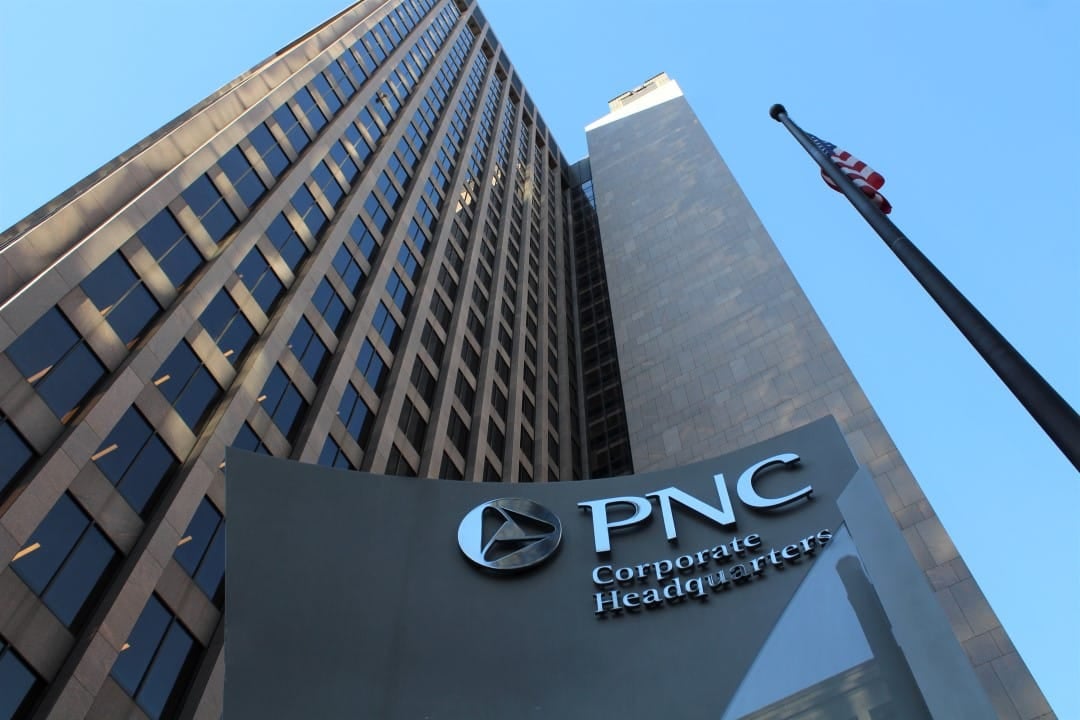
PNC The measure affects thousands of employees in various units of the company, with an emphasis on the headquarters in Pittsburgh.
The institution justified the change as a return to the cultural roots of an in-person organization. Demchak highlighted that physical presence encourages collaboration and innovation, elements considered essential for collective and individual growth.
Details of the new internal policy
Implementation takes place in May to allow employees to adapt. Antes of the pandemic, PNC maintained a predominantly in-person model, with temporary adjustments to prioritize health and safety.
The company had encouraged a gradual return since 2023, offering benefits such as free parking for two months. The new guideline eliminates broad incentives and exceptions, maintaining focus on the integral routine in offices.
Employees in administrative, technology and customer relations roles are directly impacted. The headquarters in Pittsburgh concentrates most of the affected operations, but the policy applies to all units in Estados Unidos.

Reasons given by management
Bill Demchak emphasized that in-person work integrates the company’s identity as an institution focused on relationships. Ele stated that physical proximity accelerates the exchange of ideas and strengthens teams in a competitive environment.
The executive recognized technological advances that enable remote work, but argued that they do not replace face-to-face interactions in the banking sector. The move aligns with the long-term vision to maintain an edge in personalized services.
- Direct collaboration between teams
- Accelerated development of young talent
- Strengthening organizational culture
- Improved service to corporate customers
These points appear as pillars of the strategy published internally.
Initial reactions from employees
Employees expressed immediate concerns about work-life balance. Muitos highlighted that hybrid models have proven efficient in recent years, without compromising productivity.
Discussions on internal forums and social media reveal fears of increased turnover. Profissionais point out that flexibility has become a decisive factor in choosing employers in the current financial sector.
Some employees with long daily commutes expressed additional logistical difficulties. The absence of transitional incentives also generated criticism about the pace of the transition.
Context in the American job market
The banking sector has recorded similar movement in large institutions in recent months. Empresas as Bank of America and JPMorgan Chase have adopted strict physical presence policies, prioritizing direct interaction.
Data from consultancies indicate that hybrid vacancies still represent a significant portion of national offers. However, traditional banks opt for in-person models to preserve internal dynamics.
- Truist Financial announced similar requirement for January 2026
- JPMorgan maintains five-day presence for most functions
- Bank of America reinforced face-to-face policy in 2025
These decisions contrast with technology sectors, which maintain greater flexibility.
Expected impact on Pittsburgh
Pittsburgh, PNC’s historic headquarters, has the largest contingent of affected employees. The measure could increase movement in central business districts, benefiting local commerce and public transport.
The city is seeing a gradual recovery in post-pandemic office occupancy. The full presence of thousands of professionals contributes to the revitalization of commercial areas in the center.
Local authorities monitor the effect on traffic and demand for urban services. Empresas of transport foresees adjustment in routes to meet peak daily travel.
Evolution of work policies at PNC
The bank adopted mass remote work in 2020 to face the global health crisis. The rapid transition preserved operations and protected employees during a critical period.
From 2023, the company encouraged voluntary return with temporary benefits. Essa hybrid phase allowed productivity tests in different arrangements.
The current decision marks the definitive end of pandemic flexibilities. Management assesses that the economic situation allows for the consolidation of the traditional face-to-face model.
Comparison with sectoral trends
Regional and national banks are divided between in-person rigidity and hybrid maintenance. Instituições larger companies tend to prioritize presence for operational control and leadership development.
Recent studies show that remote productivity is on par with in-person productivity in many administrative functions. Contudo, financial sector executives defend intangible advantages of physical proximity.
The PNC policy is part of a wave of adjustments observed in 2025 and 2026. Empresas seek a balance between attracting talent and preserving an established internal culture.
Preparing for the transition
The company plans to communicate operational details in the coming weeks. Departamentos of human resources guide managers on uniform implementation of the new routine.
Employees receive support for individual logistical planning. Management monitors feedback for specific adjustments without changing the face-to-face essence.
The change reflects a long-term strategy in a competitive banking environment. PNC positions itself to strengthen operations through daily direct interaction.