
Samsung has started distributing its latest interface, the One UI 8, for the Galaxy line of smartphones sold in the Japão, bringing a definitive solution to a long-standing user security concern. Baseada on the Android 16 operating system, the update introduces a unique functionality that allows you to completely erase all data stored on the FeliCa chip, responsible for the popular Osaifu-Keitai mobile wallet service.
This new feature, discreetly integrated into the factory reset menu, simplifies a process that was previously inaccessible to the average consumer, requiring specialized technical intervention. The measure meets a crucial demand related to privacy and data security, especially when selling or donating a used device, strengthening trust in the brand’s ecosystem.
The discovery of the functionality, which was not widely publicized in the official release notes, came from users who received the update and noticed the new option. The advance represents a significant change in the management of sensitive data on mobile devices in the country, where contactless payment technology is ubiquitous.
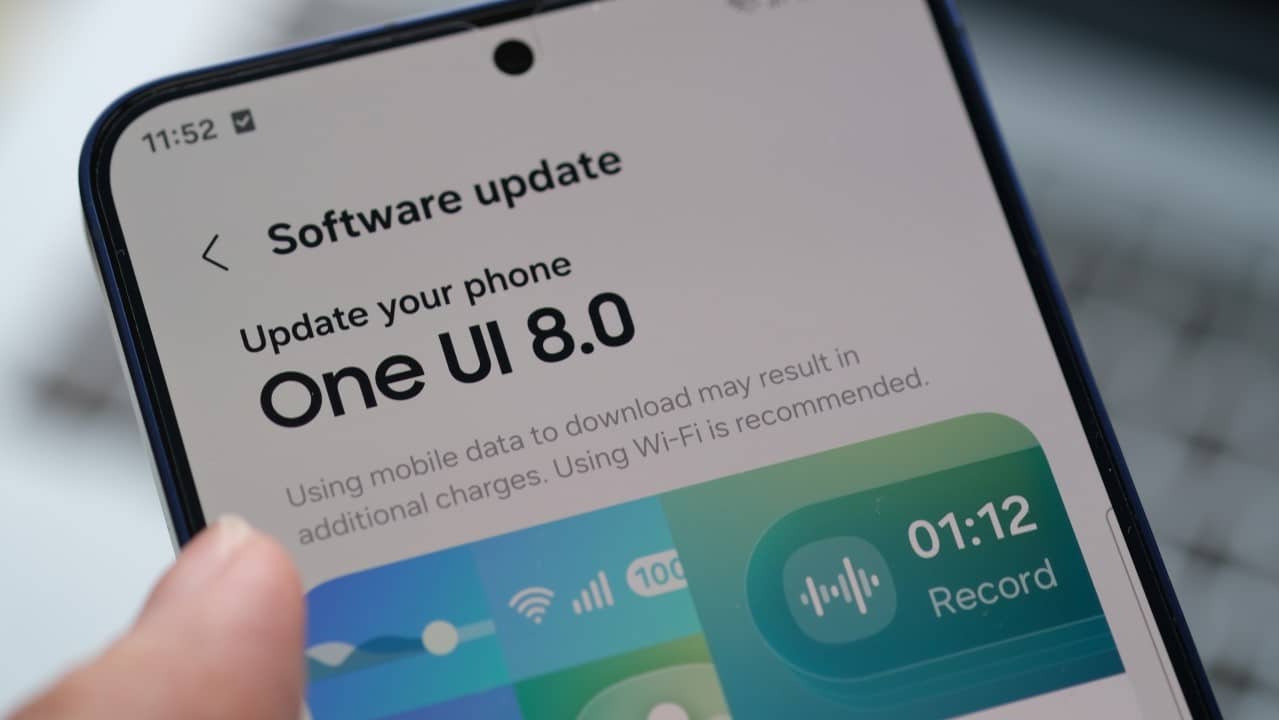
With the new tool, users gain autonomy and security, eliminating barriers that previously complicated the circulation of devices in the second-hand market. Key benefits include:
– **Enhanced security:** Garante that no residual financial or personal information remains on the device after restoration.
– **Ease of use:** The process is simple and can be carried out by the user, without additional costs or the need to visit a store.
– **Resale value:** Aumenta the trust of buyers of used devices, who are sure that the device is completely clean.
Understanding FeliCa technology and its relevance
Developed by Sony, FeliCa technology is the backbone of contactless payment systems in Japão. Sua implementation on smartphones, known as “Osaifu-Keitai” (mobile wallet), is deeply rooted in the daily lives of Japanese people, transforming the cell phone into an indispensable multifunctional tool.
Unlike other NFC technologies (Near Field Communication), FeliCa stands out for its superior speed and security in its transactions, which solidified its dominance in the local market. The chip allows devices to function as public transport cards, such as the popular Suica and PASMO, in addition to adding credit and debit cards, loyalty programs and even access keys for homes and offices.
The old obstacle in smartphone resale
Until the arrival of One UI 8, owners of Galaxy and Japão cell phones faced a significant challenge in preparing their devices for resale or disposal. Simply deleting payment applications or canceling registered cards was not enough to completely remove the information that was recorded in the FeliCa chip’s memory.
This remaining data, although not directly accessible by a new owner, represented a security vulnerability and a major point of concern for those who value the privacy of their financial information. The lack of a native tool for complete cleaning generated insecurity and devalued the devices on the used market.
Effective cleanup could only be guaranteed by limited and often expensive means. Usuários from operator Docomo could request the service in physical stores, but customers from other large companies, such as au and SoftBank, did not have this option. The alternative was to resort to paid repair services or rely on professional software, such as Blancco Mobile for FeliCa, access to which is restricted to companies, leaving the consumer without a practical solution.
How to access the new full delete function
The process for using the new FeliCa chip cleaning feature has been strategically simplified and incorporated into the device’s standard restore flow, making it accessible to any user, regardless of their technical knowledge.
To activate the functionality, the first step is to navigate to the smartphone’s “Settings” menu. Dentro of the settings, the user must look for and access the “General management” section, which centralizes the system administration options.
On the next screen, the option to select is “Restore”. Este menu contains several ways to reset the device, and the correct choice is “Restore factory defaults”, which erases all user data and returns the software to its original state.
It is on this last screen that the new feature appears. The system will display a new checkbox with the text “Completely initialize FeliCa area”. The user must check this option before confirming the restore to ensure that the deep cleaning of the chip is performed along with the general formatting of the device.
More security for used vehicle transactions
The new tool has a direct and extremely positive effect on the growing market for smartphones used in Japão, a sector that moves a significant volume of devices annually. By offering a simple and reliable way to erase sensitive data, Samsung not only protects its customers, but also fosters a safer and more transparent circular economy.
Previously, uncertainty about the remaining data on the FeliCa chip acted as a major impediment. Muitos owners were hesitant to sell their old devices, worried that their information could be compromised. Essa new layer of security eliminates this concern, encouraging more people to participate in the second-hand market and extending the life of devices.
A solution focused on the needs of the Japanese market
The implementation of this tool demonstrates Samsung’s attention to the particularities and requirements of the Japanese market, which has a unique and highly sophisticated technological ecosystem. The Osaifu-Keitai technology is a local standard, and the difficulty in managing FeliCa chip data was a specific problem affecting millions of consumers. By developing a native solution to this issue, the South Korean company reinforces its commitment to local users, showing that it understands and responds to their needs proactively. Essa software adaptation not only improves the user experience, but also serves as an important competitive differentiator compared to other brands operating in the country, which may not offer the same level of control and security over local technologies. The measure can positively influence brand perception and strengthen its position in one of the most competitive markets in the world.
The limitations that frustrated users
The lack of an accessible method to clean the FeliCa chip caused a series of inconveniences. Muitos users, due to ignorance or lack of options, simply stopped selling their devices or traded them for significantly lower values due to uncertainty about the security of the remaining data. In other scenarios, the search for a solution generated unexpected costs with technical assistance that was not always effective or transparent about the procedure performed. Essa barrier created unnecessary friction in the circulation of devices on the secondary market, harming both sellers and buyers.
