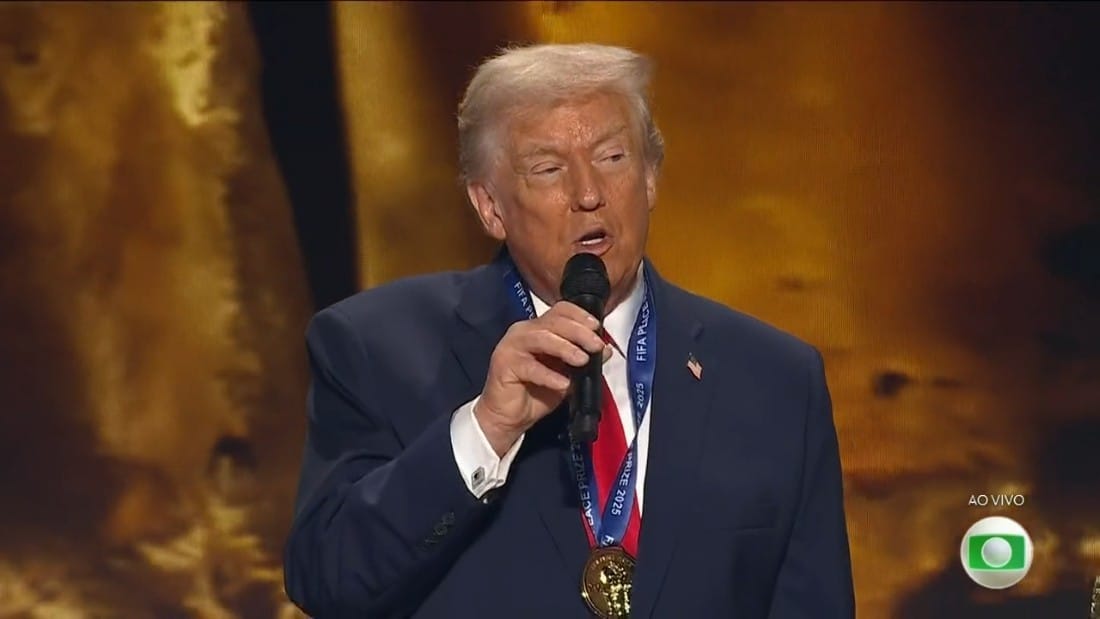
The União Europeia advanced in the preparation of a tariff retaliation package valued at 93 billion euros aimed at imports from the Estados Unidos. The measure responds directly to the tariffs announced by the American president, Donald Trump, which initially set 10% on products from eight European countries and foresees an increase to 25% from June 2026.
The context of the dispute involves Groenlândia, an autonomous Danish territory rich in rare minerals. Países Europeans sent troops to the region following American statements about strategic interests in the island.
Experts highlight that the European approach prioritizes specific sectors to minimize damage to the bloc itself. Essa strategy contrasts with American tariffs, considered broader and more aggressive.
The implementation of the European package can take place from February 6th, after a suspension period of six months. Ministros of the EU’s Finanças discuss the topic at a meeting scheduled for Bruxelas.
- Countries initially targeted by US tariffs: Dinamarca, Noruega, Suécia, França, Alemanha,
- Expected increase: general tariff of 25% on all European products from June 1st.
- Estimated value of annual impact on European exports: around 30 billion dollars.
Voltage context in Groenlândia
The transatlantic dispute gained strength after statements by Donald Trump about the strategic importance of Groenlândia for the Estados Unidos. The territory has significant reserves of rare earths, essential for defense technologies and renewable energy.

European countries reacted by sending military contingents to the island. The action led to the immediate announcement of tariffs by the American administration.
Sectors targeted by the European response
The União Europeia retaliatory package focuses on sensitive areas of the American economy. Analistas point out that the selection seeks to maximize pressure without excessively compromising the bloc’s internal market.
Sectors such as oil and agribusiness are among the main targets. Produtos refined petroleum derivatives and agricultural commodities would face significant tariff increases.
Cars and machines are also on the priority list. Exportações American vehicles and industrial equipment represent significant volumes in trade with Europa.
Clothing, aeronautics and alcoholic beverages complete the selected segments. Essas categories include high-value-added items produced in Estados Unidos.
Comparison between tariff strategies
International trade experts note clear differences in the approaches taken by the two sides. European retaliation is characterized by precision in choosing economic targets.
The tariffs announced by Trump cover a wide spectrum of products. The initial measure of 10% affects eight specific countries and provides for later generalization.
Analysts consulted highlight that the American package generates an estimated annual impact of 30 billion dollars on European exports. Já the EU’s response limits collateral damage to the bloc itself.
The European strategy avoids widespread taxation. The focus on strategic American sectors seeks a balance between pressure and preservation of internal supply chains.
Instruments available at União Europeia
The European bloc has a mechanism known as an anti-coercion instrument. Essa tool allows restrictions beyond traditional tariffs, including limitations on American companies’ access to the common market.
The application of the instrument represents a novelty in the transatlantic context. Autoridades European companies evaluate its use as a complement to conventional tariffs.
Technical meetings in Bruxelas advance the definition of parameters. Ministros of the Finanças of the 27 member countries participate directly in the deliberations.
The anti-coercion mechanism was created for situations of external economic pressure. Sua activation requires consensus among the Estados-members of União Europeia.
Potential impacts on American sectors
American oil exporters face the risk of a significant reduction in access to the European market. The continent represents an important destination for refined derivatives produced in the Estados Unidos.
American agribusiness also registers high vulnerability. Commodities such as soy and beef depend on regular flows to EU countries.
Car and aircraft manufacturers follow developments closely. Empresas installed in industrial states may record drops in European orders.
Clothing and alcoholic beverage segments complete the exhibition table. Marcas American companies consolidated in the European market face possible price repositioning.
Positions of the countries involved
France and Alemanha lead internal coordination for rapid approval of the retaliatory package. Ambos countries defend a coordinated and proportional response to American measures.
Nordic countries maintain a firm position regarding the sovereignty of Groenlândia. Dinamarca coordinates diplomatic efforts to preserve the island’s autonomous status.
Kingdom Unido, although outside the EU, aligns itself with the European position in the dispute. The country indirectly participates in discussions on trade impacts.
Other members of the bloc express support for the surgical strategy. The approach avoids uncontrolled escalation that would harm interdependent economies.
Recent chronology of events
Tensions began with American declarations about interests in Groenlândia in December 2025. Trump highlighted the island’s strategic importance for defense systems.
European countries responded by sending troops in early January 2026. The mobilization involved contingents from seven nations on the continent.
Trump announced 10% tariffs on January 15th. The measure initially affects eight countries directly involved in the military presence.
União Europeia signaled retaliation on January 17th. The 93 billion euro package gained definitive shape in the following days.
Projections for transatlantic trade
Trade between Estados Unidos and União Europeia moves hundreds of billions of dollars annually. Qualquer prolonged disruption affects global supply chains.
Analysts project a drop in American exports to the bloc in the event of full implementation. Setores selected would record the largest reduction volumes.
The economic interdependence between the parties favors future negotiations. Autoridades on both sides maintain open channels for dialogue.
The outcome of the dispute influences global trade patterns. Outros economic blocks follow developments to calibrate their own strategies.
Tariff escalation poses an additional challenge to post-pandemic economies. Recuperação of production chains still faces structural weaknesses in several sectors.
