

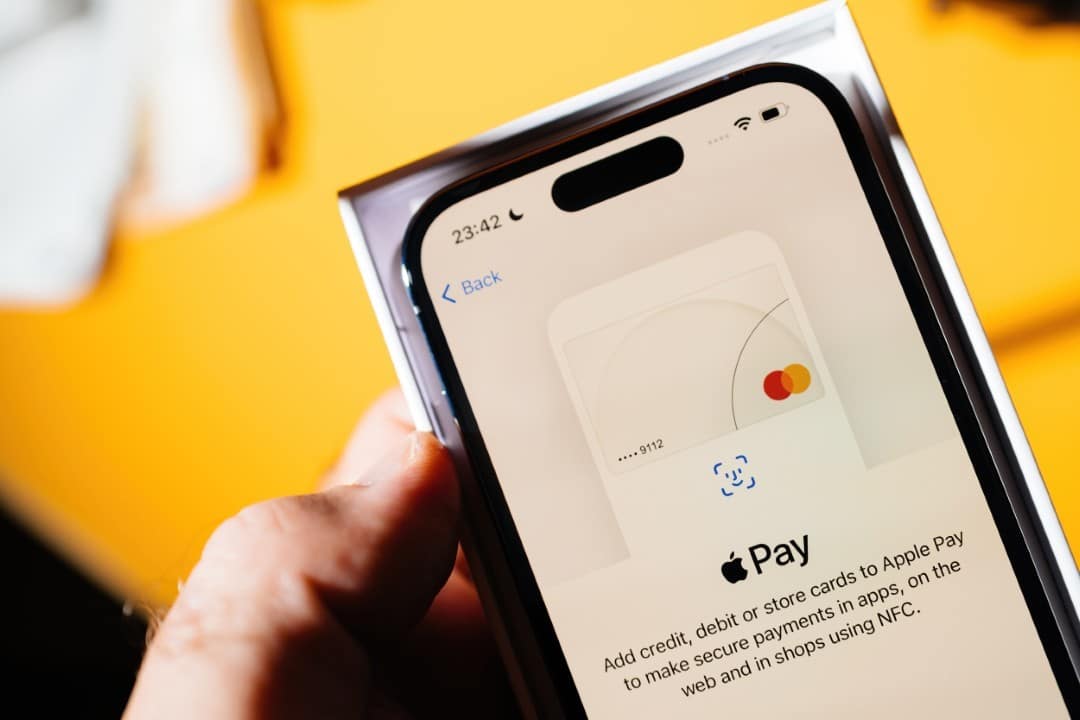
Walmart maintains its firm position of not accepting Apple Pay in its units in Estados Unidos, consolidating itself as one of the last large retail chains to resist the popular contactless payment technology. The decision, which frustrates millions of iPhone users, is not based on technological limitations or costs, but rather a deliberate strategy to maintain complete control over its customers’ purchasing data.
Instead of adopting third-party solutions, the company directs its consumers to Walmart Pay, its own system based on QR codes and fully integrated into its application. Essa approach allows the company to collect and analyze every detail of transactions, strengthening its closed ecosystem and its targeted marketing strategies, a policy that has remained unchanged since its implementation.
While direct competitors such as Target and Home Depot have given in to the convenience of contactless payments in recent years, Walmart continues to deactivate the NFC (Near Field Communication) functionality on its payment terminals. The measure affects not only Apple Pay, but also other digital wallets such as Google Pay and Samsung Pay, forcing customers to use traditional methods or the store’s exclusive platform.

The strategy behind Walmart Pay
The operation of Walmart Pay was designed to be the center of the digital shopping experience within physical stores. Para To use the service, the customer must have the Walmart application installed on their smartphone, register their credit or debit cards and, when finalizing the purchase, scan a QR code displayed on the cashier terminal. The Este process, although it requires more steps than a simple NFC tap, ensures that each item purchased is linked directly to the user’s account in the Walmart system.
This deep integration goes beyond simple payment. The system automatically connects to the network’s loyalty programs, applies digital coupons and updates shopping lists, creating a unified experience. Para subscribers to the Walmart+ service, the benefits are even greater, including access to the Scan &
The central question of privacy and data
The main reason for Walmart’s refusal to adopt Apple Pay lies in the way Apple’s technology deals with consumer privacy. Apple Pay uses an advanced tokenization system, which replaces the real credit card number with an encrypted code that is unique for each transaction. Essa security layer prevents the retailer from having direct access to card data and, more importantly, makes it difficult to associate that specific purchase with an individual consumer profile. Para o Walmart, whose business model relies heavily on data analysis to optimize inventories, personalize offers and target advertising, this loss of information is unacceptable. By forcing the use of
Terminals with NFC intentionally disabled
Many customers may assume that the lack of contactless payments is due to outdated equipment, but the reality is the opposite. Walmart invested in modernizing its payment terminals, and the vast majority of devices currently installed have the necessary hardware for NFC technology.
However, the company deliberately chose to disable this function via software. Essa technical choice reinforces that the barrier is not infrastructure, but rather a strategic business decision.
This blocking policy is comprehensive and extends to all major digital wallets that use NFC technology.
In doing so, Walmart creates a scenario where its own solution, Walmart Pay, becomes the only viable digital alternative for those who do not wish to use physical cards.
Demystifying the fees argument
A justification often cited by market observers, but incorrect, is that the refusal of Walmart would be linked to alleged additional fees charged by Apple to retailers. In fact, the Apple Pay business model does not impose extra costs on merchants. Transaction processing fees are the same as those paid to card brands, such as Visa and Mastercard, regardless of whether the purchase is made with a physical card or via Apple Pay.
Apple’s remuneration comes from a small percentage of the fee that card issuing banks pay, not from the retailer. Portanto, Walmart’s decision is not motivated by direct financial savings, but rather by the strategic value attributed to customer data, which the company considers a much more valuable asset in the long term.
A history of resistance in retail
The Walmart stance is not new and dates back to 2016, the year Walmart Pay was launched. At the time, the company was part of a consortium of retailers trying to develop a competing mobile payment platform, CurrentC, which ended up failing. Mesmo With the end of the project, Walmart maintained its strategy of developing an internal and independent solution.
This resistance contrasts with the market trend. Outras large networks that initially opposed it, such as Kroger and Best Buy, eventually adopted Apple Pay and other NFC payments to meet consumer demand for greater convenience and security.
It is important to note that this policy is restricted to the North American market. No Canadá, for example, many stores in Walmart accept contactless payments, including Apple Pay, demonstrating an adaptation to the practices and expectations of local markets.
Payment options for the consumer
Despite the absence of contactless payments, Walmart customers in Estados Unidos still have multiple ways to complete their purchases. Traditional methods, such as the use of credit and debit cards with a chip or magnetic stripe, continue to be widely accepted, as well as payments in cash and checks at conventional tellers.
Customer experience at the forefront?
The Walmart strategy generates a debate about the balance between the company’s interests and the consumer experience. Muitos customers express frustration on social media and online forums, highlighting that the process of opening an app, waiting for it to load and scanning a QR code is considerably slower and less practical than simply bringing an iPhone or Apple Watch closer to the payment terminal.
On the other hand, for the most frequent customers and members of Walmart+, forced integration into the application can bring perceived benefits, such as the automatic application of discounts and the agility provided by Scan & Go. However, the absence of a universally accepted option like Apple Pay remains a significant point of friction for a considerable portion of its consumers.