
Xiaomi announced an important update for photography enthusiasts, releasing camera effects developed in partnership with renowned German manufacturer Leica. Originalmente an exclusive feature of the top-of-the-line model Xiaomi 17
The implementation of the new feature, which took place in January 2026, democratizes access to professional-level tools. With the update, millions of users of devices from different segments, including the Redmi and Poco sub-brands, can use advanced presets directly in the native camera application, increasing the quality of their photos without the need to purchase the company’s most expensive smartphone.
These effects go beyond simple filters, as they adjust complex parameters such as contrast, saturation, sharpness and white balance, replicating the visual aesthetics characteristic of Leica lenses. The initiative reinforces Xiaomi’s strategy of adding value to its software and retaining its user base through premium features, regardless of the device’s hardware.
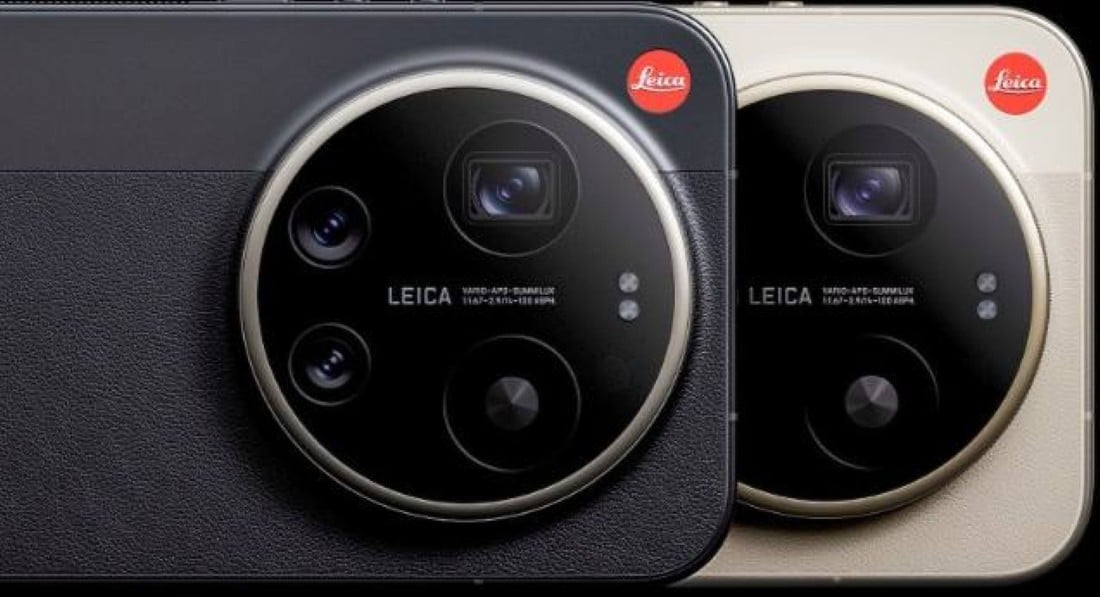
The strategic partnership between Xiaomi and Leica
The collaboration between the Chinese technology giant and the iconic German photography brand, Leica, is not new, but it reaches a new level with this software expansion. Iniciada a few years ago, the partnership initially focused on the joint development of hardware, such as the Summilux lenses and certified optical adjustments that equipped the Xiaomi flagship models. The goal has always been to transfer the excellence of traditional photography to the world of smartphones, resulting in images with superior color fidelity, precise control of chromatic aberrations and a more natural depth of field.
As this alliance matured, Xiaomi decided to extend the benefits of the software to a broader consumer base. The strategic decision not only values owners of mid-range devices, but also strengthens the HyperOS ecosystem as a cohesive and integrated platform. By offering a portion of the Xiaomi 17
What are Leica effects and how do they work
It is essential to understand that the Leica presets released for HyperOS are much more than superficial filters found in photo editing applications. Eles represent a complex set of software instructions that act directly on the smartphone’s image processing pipeline. Cada preset modifies advanced settings in real time at the time of capture, adjusting color science, tone curve, microcontrast, and sharpness to emulate the visual signature of the Leica. Essa deep integration with hardware and software is only possible thanks to the HyperOS architecture, which was designed to optimize communication between system components. Algorithms adjust the image based on the raw data captured by the sensor, ensuring that the final result maintains maximum quality and preserves details in both shadow and high-light areas, a constant challenge in digital photography. Color calibration, for example, seeks a natural and authentic representation of the scene, avoiding the excessive saturation that is common in many competing smartphones, and delivering a more sober and professional aesthetic.
Guide to installing the new presets on your cell phone
The process to activate the coveted Leica effects on your HyperOS device is relatively simple and only takes a few minutes. The first step is to obtain the configuration files, which are distributed by Xiaomi and trusted user communities through downloadable packages or through specific QR codes.
After downloading the files, you need to extract them to an easily accessible folder on your cell phone’s internal storage. Alguns of these packages may be password protected to ensure controlled distribution, with “Lv31” being one of the most common passwords released on official channels to unlock content.
With the files ready, the next step takes place within the native camera application. The user must open it and slide into “Pro” mode, which unlocks access to manual controls and advanced settings. Dentro of the Pro mode interface, you need to locate the preset management icon, usually represented by four small squares or a similar option in the menu.
When you tap this icon, the “Import” option will appear. Basta select it and navigate to the folder where the files were previously extracted. Após selection and confirmation, the new Leica styles will instantly appear in the camera interface, ready to be used and identified as C1, C2, and so on.
Photo backdrops enhanced by new styles
The new presets have been carefully developed to suit a variety of photographic situations, offering creative solutions for different types of lighting and subjects. The “Sunset
For portraits, “Ink & Essa preset is perfect for creating images with a more artistic and professional touch.
Lovers of vintage aesthetics can take advantage of “Fleeting Time”, which reduces contrast by -50, giving photos an analogue and nostalgic appearance, ideal for everyday recordings. Finally, for night photography, “Clear Moon” slightly raises exposure and adjusts contrast to ensure sharp, clear reflections, optimizing low-light captures without introducing excessive digital noise.
Broad compatibility with the HyperOS ecosystem
The big advantage of this update is its vast reach within the Xiaomi product portfolio. Compatibility is not restricted to more expensive models; on the contrary, it covers a diverse range of smartphones that have already received HyperOS, the operating system that unifies the user experience across all of the brand’s devices.
This means that both owners of recent flagships, such as the Xiaomi 15 and 14 series, as well as users of popular mid-range devices, such as the Redmi Note and Poco X lines, can benefit from the new photography features. The only requirement is that the device is running the base version of HyperOS, without the need for a specific system update, which facilitates mass adoption of the new feature.
The response from the user community
Since the release announcement, the Xiaomi user community has reacted with great enthusiasm. Fóruns specialists and social media were quickly flooded with test photographs and comparisons demonstrating the visual enhancement provided by the Leica effects, with many praising the brand for democratizing a functionality previously restricted to a niche market.
Advantages of native integration in the camera app
Integrating Leica effects directly into the native HyperOS camera app offers benefits that go beyond image quality. By avoiding the need for third-party editing apps, users save time and simplify their workflow by being able to apply a professional look with just one tap at the time of capture. Essa approach also preserves device performance, as processing is optimized for the cell phone’s specific hardware, ensuring speed and efficiency.
Furthermore, native operation contributes to better management of power consumption, avoiding excessive battery drain that often accompanies the use of heavy editing applications. Testes initial tests carried out by users on devices with intermediate hardware confirmed that the effects processing is agile and does not compromise the fluidity of the system, making the photographic experience more pleasant and accessible for everyone.
