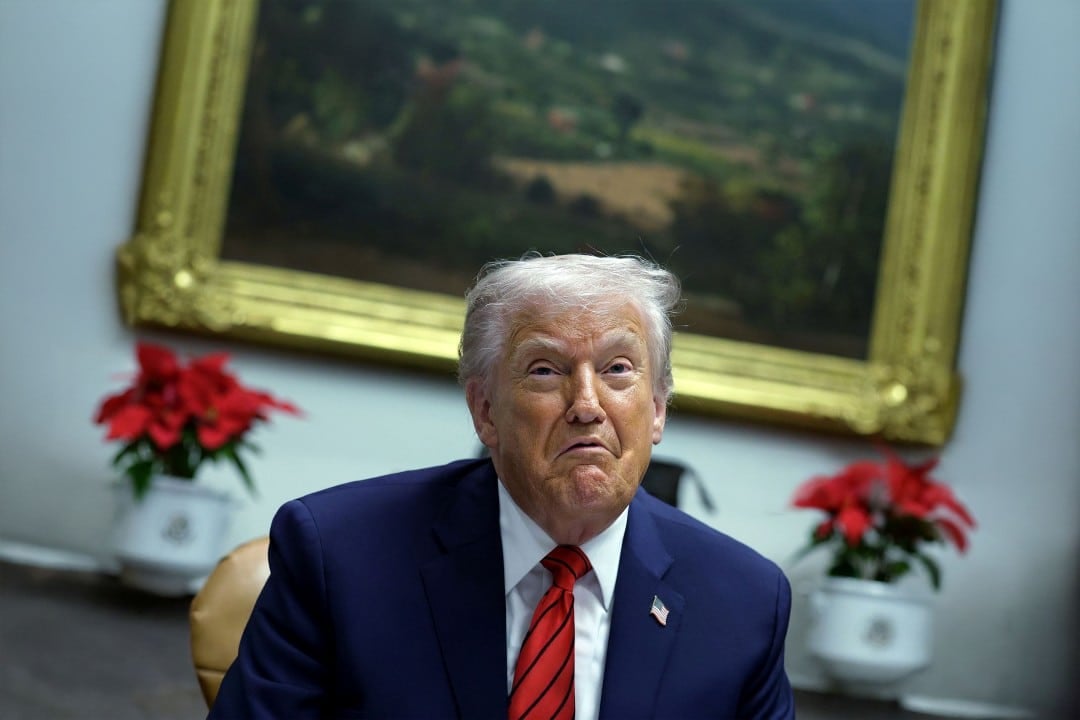
Lyse Doucet’s assessment that Donald Trump’s presidency has shaken the world order more profoundly than any leader since World War II remains a critical perspective for understanding contemporary geopolitics. His unconventional approach to international relations, marked by transactional diplomacy and a disregard for established norms, manifested notably in his 2019 inquiry into purchasing Greenland from Denmark. This demand, initially dismissed as an absurdity by some, quickly became a vivid illustration of a “rude awakening” for many nations, exposing deep vulnerabilities in a global system already fraught with risk and uncertainty. The audacious proposal challenged fundamental principles of national sovereignty and diplomatic protocol, sending ripples through transatlantic alliances and prompting a reevaluation of future international engagement. It underscored a deliberate shift from the multilateralism that largely defined post-WWII stability, signaling an era where traditional allegiances and agreements face constant scrutiny.
The bold proposition regarding Greenland served as a stark reminder of the United States’ willingness to pursue its interests aggressively, even at the expense of traditional partnerships. Denmark’s immediate and firm rejection highlighted the clash between national sovereignty and a transactional foreign policy approach. This caused significant diplomatic friction, leading to cancellations of high-level visits and strained communication between long-standing allies.
This episode, though specific, became emblematic of a broader pattern influencing global dynamics into 2025, where unilateral actions and challenges to the status quo continue to reshape international relations and alliances. The repercussions extend beyond the immediate diplomatic spat, setting precedents for how powerful nations might assert claims over strategically vital territories.
Geopolitical shifts and allied responses
The episode with Greenland was not an isolated incident but part of a larger strategy that questioned the value of long-standing alliances and international institutions. This posture generated unease among traditional partners, forcing them to consider new defensive and economic alignments to safeguard their interests. It compelled nations to re-evaluate their strategic dependencies and explore alternative paths for securing national and regional stability in a shifting global landscape.
Allies, particularly in Europe, began to explore avenues for greater strategic autonomy, seeking to reduce reliance on the United States and build more robust internal security and trade frameworks in light of unpredictable policies. The discussions around a stronger European defense identity gained renewed momentum, aiming to create a more self-reliant security apparatus capable of addressing regional threats independently.
Erosion of multilateralism
Trump’s presidency consistently challenged multilateral agreements and institutions, withdrawing from the Paris Agreement, the Iran nuclear deal, and questioning the relevance of NATO and the World Trade Organization. This systematic disengagement, exemplified by the Greenland proposal’s underlying disregard for international consensus and established norms, weakened the foundational pillars of post-WWII global governance. The emphasis shifted from collective problem-solving to bilateral deals and nationalistic agendas, diminishing the effectiveness of forums designed to address shared global challenges like climate change, economic stability, and security threats. The cumulative effect of these actions has been a noticeable fragmentation of global cooperation, making coordinated international responses increasingly difficult and paving the way for a more competitive and less predictable geopolitical landscape in 2025 and beyond, requiring nations to navigate a fragmented multilateral system.
Sovereignty and economic interests in 2025
The demand for Greenland underscored the growing strategic importance of the Arctic region, particularly concerning natural resources and new shipping routes opening due to climate change. This intensifying focus on economic and geopolitical gain often overrides traditional diplomatic sensitivities and respect for sovereignty in global power plays. The Arctic’s vast unexploited resources, including oil, gas, and rare earth minerals, make it a focal point for international competition.
Nations like Denmark are increasingly vigilant about protecting their territorial integrity and resource control against external pressures, prompting enhanced strategic planning for 2025. This includes strengthening alliances with like-minded Arctic partners and investing in defensive capabilities to assert sovereignty over their northern territories. They are developing comprehensive strategies to balance resource exploitation with environmental protection, while also asserting their rights under international law.
The incident also highlighted the potential for commercial interests to drive foreign policy, as access to rare earth minerals and strategic locations becomes a significant factor in international negotiations. Global powers are actively seeking to secure supply chains for critical minerals essential for advanced technologies, viewing control over such resources as a matter of national security and economic competitiveness.
Global repercussions and future alignments
The ripple effects of such disruptive foreign policy have been profound, encouraging other major powers to reassert their influence and challenge established norms. China’s expanding Belt and Road Initiative and Russia’s assertive stance in Eastern Europe and the Arctic are examples of responses to a perceived vacuum or shift in global leadership. These developments suggest a multipolar world where the traditional hegemon’s influence is increasingly contested, leading to more complex and fluid international alignments. Nations are increasingly forming ad-hoc coalitions based on shared interests rather than rigid ideological blocs, complicating global governance.
Looking towards 2025, the international community continues to grapple with the implications of a less stable global order. Nations are adjusting their diplomatic strategies, diversifying their economic partnerships, and fortifying their defense capabilities in response to persistent uncertainties. The emphasis is now on resilience and adaptability in the face of persistent geopolitical shifts, recognizing that the post-WWII framework is undergoing fundamental transformation, demanding new approaches to security and prosperity.
Redefining international security
The questioning of NATO’s collective defense principle during this period led to a reassessment of European security architecture. Member states began increasing defense spending and bolstering regional cooperation to compensate for perceived weaknesses in the alliance. This invigorated discussions around creating more robust, independent European defense capabilities.
The focus on “America First” policies prioritized domestic concerns over international commitments, leading to a perception among allies that US support was no longer guaranteed without clear reciprocal benefits. This transactional view of alliances strained relationships and prompted allies to consider self-sufficiency.
This shift prompted a renewed debate on burden-sharing within alliances and the need for a more equitable distribution of security responsibilities among all partners. Many nations argued for a more balanced approach where all members contribute proportionally to collective defense, rather than relying predominantly on one or two major powers.
In 2025, discussions around integrated European defense capabilities and strengthened regional security pacts remain central to safeguarding stability against a backdrop of evolving global threats, including cyber warfare, hybrid conflicts, and renewed great power competition.
The ongoing challenge to norms
The persistent challenge to diplomatic norms and international conventions means that nations must consistently adapt their foreign policy approaches, navigating a landscape where traditional rules of engagement are frequently tested and redefined.