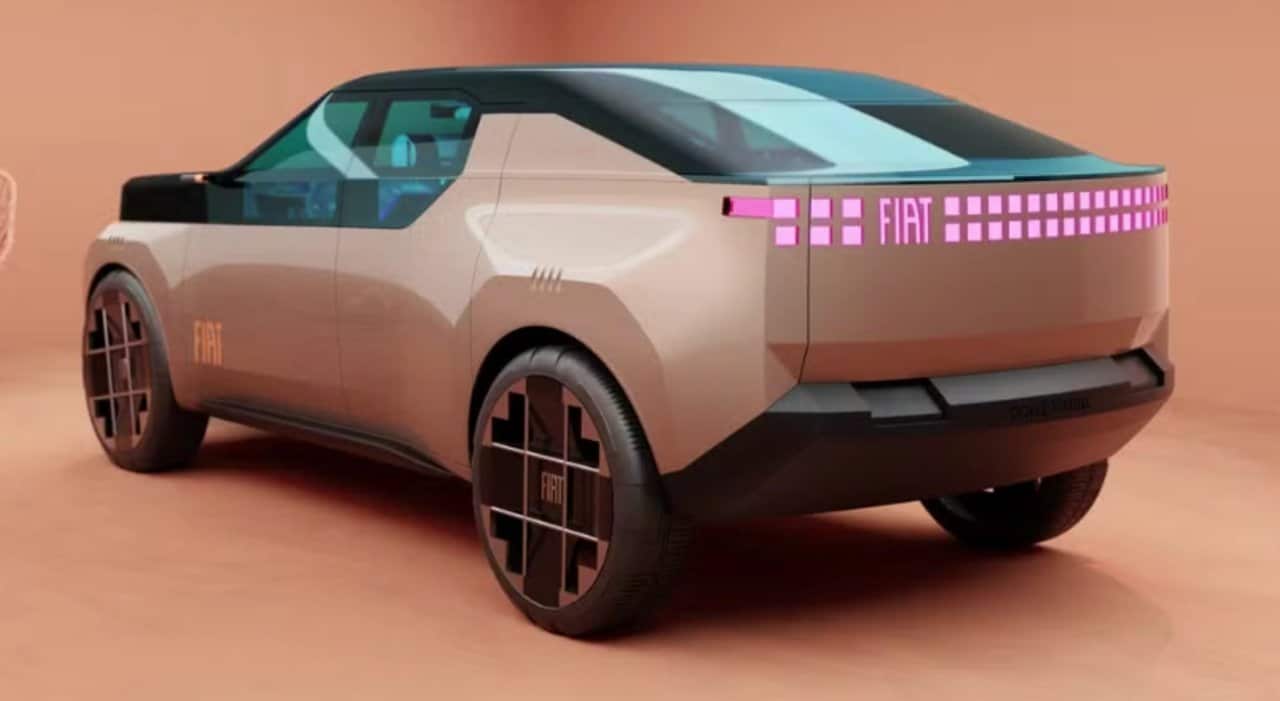
The Fiat advances in the development of the next generation of the Fastback, a model that will be completely reformulated in the coming months. Recent Flagras captured at Europa show the SUV coupe with an enlarged size, similar to that of the Citroën Basalt, and design details that reinforce the Italian brand’s latest visual identity. The official presentation should take place in 2026, initially on the European market.
The model, known internally by the codename F2X, adopts the Smart Car platform, a derivation of the CMP architecture from the Stellantis group. Essa base is already used in vehicles such as Citroën C3, Aircross, Basalt and in the future The change brings significant gains in internal space and dynamic behavior.
Brazilian production is scheduled to begin in the last quarter of 2026 at the Betim factory, in Minas Gerais. The commercial launch in the country should take place between the end of 2026 and the beginning of 2027, depending on the completion of validation tests.
Exterior design renews coupe identity
The rear of the new Fastback stands out for its horizontal lights made entirely of pixelated LEDs. Essa solution creates differentiated lighting effects, especially in nighttime conditions, and represents an evolution in relation to current optical sets in the Fiat line.
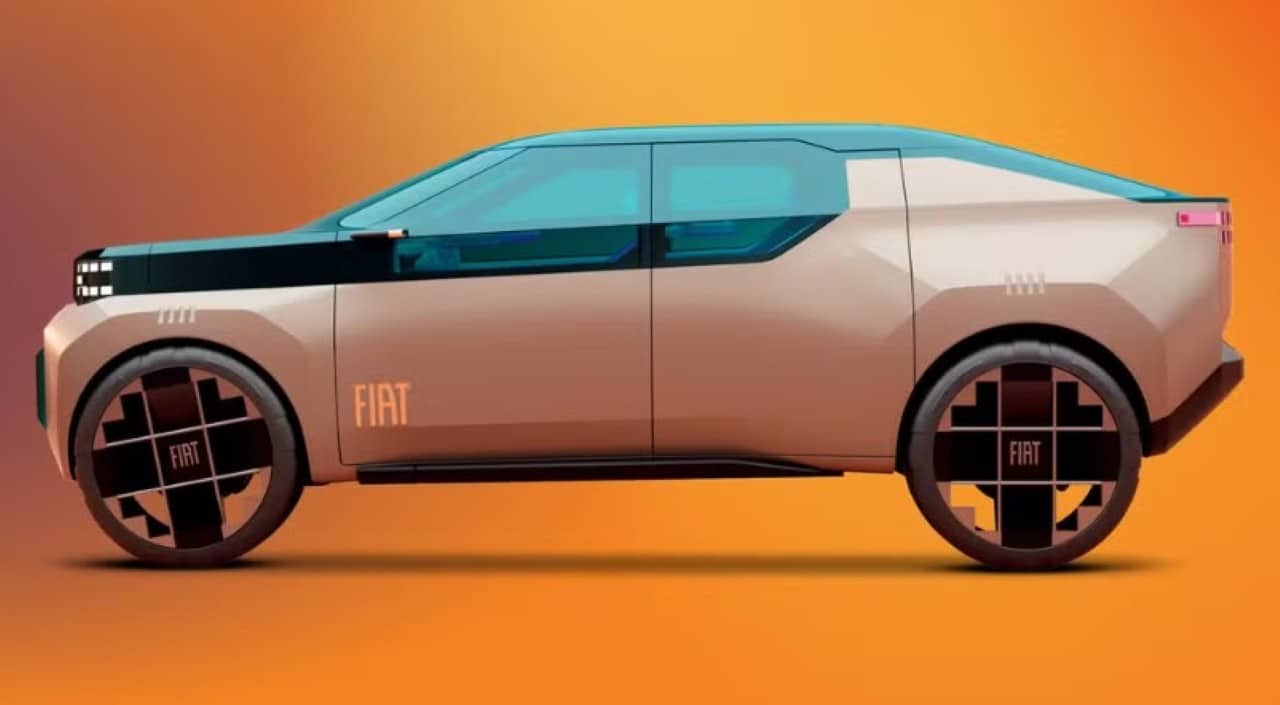
The sharp drop of the roof maintains the coupe profile, but with more fluid lines that emphasize the sporty character. The photos show the model faithful to the concept previously presented by the brand, with balanced proportions and a more imposing visual presence.
At the front, the headlights adopt a rectangular shape with a sectioned LED signature. The bumper features a large lower air intake, integrated into the optical assembly, while the sides feature light alloy wheels with a design inspired by the concept.
CMP platform expands internal space
Migration to the Smart Car/CMP platform allows a significant increase in the dimensions of the Fastback. The wheelbase goes from the current 2.53 meters to around 2.60 to 2.64 meters, a value close to that of the Citroën Basalt.
This gain mainly benefits rear seat occupants, who will have more leg and head space. The trunk should maintain competitive capacity in the segment, even with the general growth of the body.
The architecture also improves torsional rigidity and acoustic insulation. Testes performed on the Europa indicate superior refinement compared to the MLA platform used in the current generation.
Interior gains more modern lines
Previous shots reveal a panel with thinner, more horizontal air vents. The central strip adopts straight lines, following the design language of recent Stellantis launches.
The multimedia center maintains a 10.1-inch screen, but with an updated interface. Physical controls are reduced in favor of touch surfaces, while the materials used suggest a superior finish to current versions.
- Redesigned air vents in horizontal format
- Panel with straight lines and greater integration of the central screen
- Steering wheel maintained from concept Grande Panda
- Raised center console with touch controls
Engines preserve current options
The engine line of the new Fastback maintains the already known turbo flex units. The entry-level version continues with the 1.0 turbo with up to 130 hp, now associated with a 48V mild hybrid system in some configurations.
The top of the line preserves the 1.3 turbo with 185 hp, available in the Abarth variant. The CVT or conventional automatic transmission must be maintained, with calibration adjusted to the new platform.
There is no official confirmation of electric or plug-in hybrid versions for the initial launch. The Stellantis initially prioritizes flex options with mild hybrid assistance in the Brazilian market.
Direct comparison with Citroën Basalt
The new Fastback shares the same platform as the Basalt, resulting in very similar dimensions. The wheelbase of approximately 2.64 meters is identical to that of the Citroën model, guaranteeing similar internal space.
The main difference is in the body design. Enquanto o Basalt adopts more traditional SUV lines, the Fastback maintains the coupe roof trim, slightly sacrificing trunk volume in favor of style.
Both models are produced in Betim and use common components. Essa strategy reduces development costs and allows competitive prices in the compact SUV segment.
Global launch marks European expansion
The new generation of the Fastback will be the first Fiat model with a coupe body to be sold in the Europa. The presentation should take place in the first half of 2026, with sales starting shortly thereafter at Velho Continente.
At Brasil, series production will only begin at the end of 2026. The brand prioritizes serving the European market before starting large-scale local manufacturing.
The strategy reflects the growing importance of the Brazilian market for Stellantis. The country accounts for a significant portion of global sales of the Fiat, justifying investments in new models.
Context in portfolio Stellantis Brasil
The arrival of the new Fastback completes the renewal of the Fiat line based on the CMP platform. The new Argo (Large Panda), already confirmed, will be the first to arrive, followed by the Pulse and Strada SUVs in future generations.
The architecture allows for greater engine flexibility. Futuras updates could include more powerful hybrid options or even 100% electric versions, depending on market demand.
Stellantis concentrates investments in Betim to serve both the domestic market and exports. The Minas Gerais factory becomes the group’s compact vehicle production hub at América Latina.
Technical details of the Smart Car platform
The Smart Car represents the evolution of CMP, optimized for emerging markets. The structure uses high-strength steel in a greater proportion, improving safety and reducing weight.
The rear suspension maintains a torsion beam configuration, but with revised calibration. Testes indicate greater comfort on uneven floors without loss of stability when cornering.
The electric steering receives new calibration, more direct in the sports versions. The braking system features ventilated discs at the front in all configurations.
- Torsional rigidity 20% higher than the previous platform
- Weight reduction of up to 80 kg depending on version
- Greater internal space without excessive increase in external dimensions
- Preparation for future hybrid and electric powertrains
The new generation of the Fiat Fastback is positioned as a more spacious and technological option in the compact coupe SUV segment. The images confirm significant evolution in design, platform and internal space, maintaining the versatility that has characterized the model since its launch.
