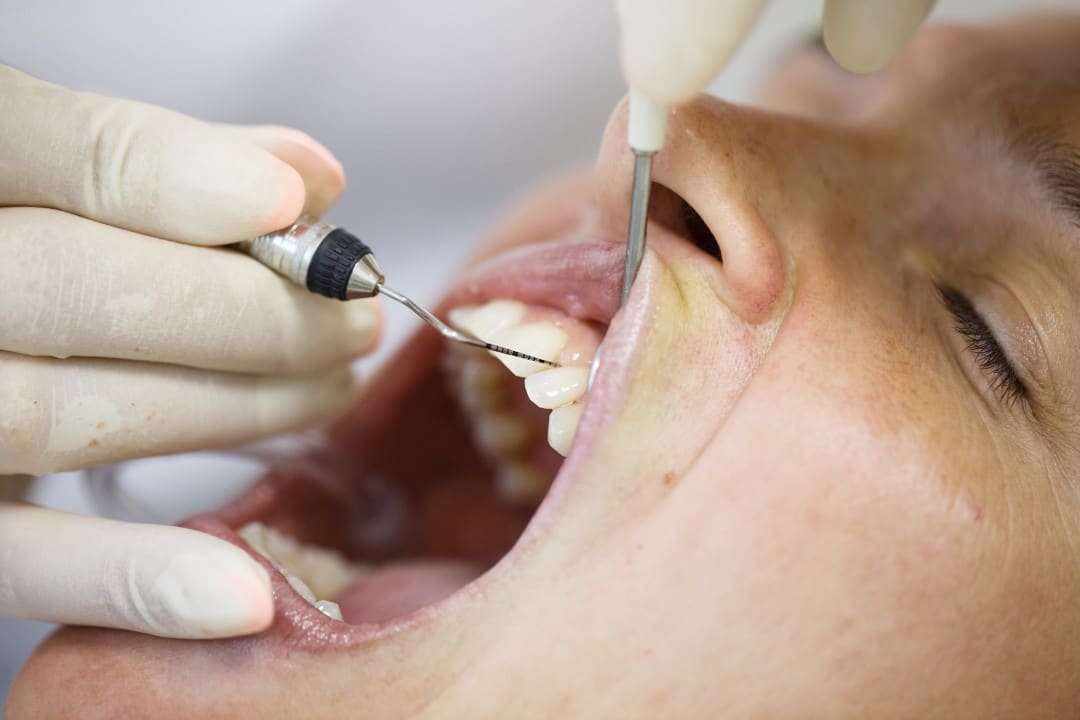
Periodontitis represents a chronic inflammation of the gums that progresses discreetly, often without causing initial pain. Essa condition affects the supporting tissues of the teeth and can lead to irreversible tooth loss. Além In addition, the bacteria involved reach the bloodstream and contribute to complications in other organs.
It is estimated that oral diseases affect around 3.5 billion people worldwide, according to data from Organização Mundial and Saúde. Periodontitis stands out as one of the main causes of tooth loss in adults. Especialistas warn that the problem goes beyond the oral cavity and directly interferes with cardiovascular and metabolic health.
The disease often begins as gingivitis, a reversible inflammation caused by the accumulation of bacterial plaque. Sem adequate intervention, progresses to more serious stages. In the Nessa phase, damage to the bones and periodontal ligaments becomes permanent.
Early signs that deserve attention
Bleeding when brushing your teeth is one of the first indicators of gum inflammation. Muitos patients ignore this symptom because they consider it normal. However, it signals the presence of aggressive bacteria.
Gingival retraction exposes the roots of the teeth and increases sensitivity. Esse process occurs gradually and changes the appearance of the smile. Além In addition, swelling and redness in the gums accompany the inflammatory condition.
Persistent bad breath also appears as a consequence of infection. Ele results from bacterial action on affected tissues. In advanced stages, tooth mobility indicates significant loss of bone support.
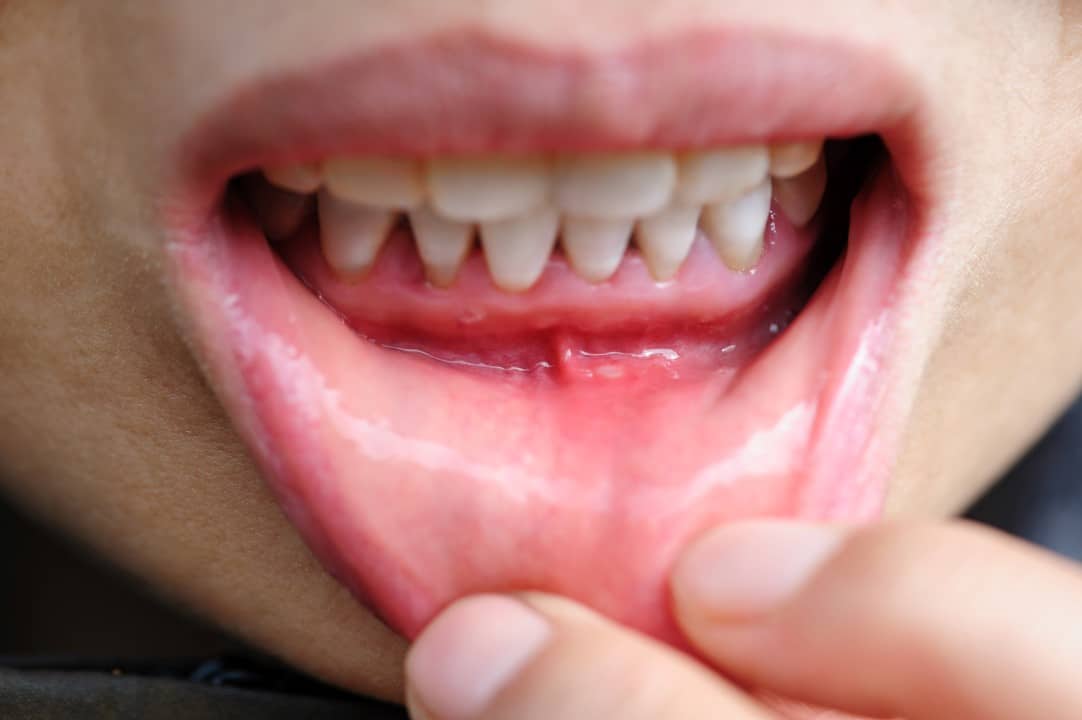
Evolution of gingivitis to severe periodontitis
Gingivitis arises mainly due to the accumulation of bacterial plaque at the junction between tooth and gum. Essa cling film releases toxins that irritate local tissue. With inadequate hygiene, inflammation intensifies.
The bacteria penetrate deeper and destroy the periodontal ligament. Isso compromises the stability of the teeth. Sem treatment, periodontal pockets form that accumulate more debris.
Alveolar bones undergo progressive resorption. Esse structural damage becomes irreversible in most cases. Pacientes can lose teeth even without external trauma.
Silent progression makes early detection difficult. Muitos only seek help when they feel tooth mobility. At Nessa stage, therapeutic options are limited to containment or extraction.
Systemic impacts on cardiovascular health
Periodontal bacteria enter the bloodstream through injured gums. Elas trigger a generalized inflammatory response. Esse process accelerates the formation of atherosclerotic plaques in the arteries.
Studies indicate a higher incidence of cardiovascular events in patients with periodontitis. The risk of myocardial infarction increases significantly. Além Furthermore, chronic inflammation contributes to high blood pressure.
Bacterial endocarditis represents another possible complication. Oral Microrganismos colonizes damaged heart valves. Tratamentos Adequate periodontal treatment reduces these risks measurably.
Recent research links gum disease to a greater likelihood of heart problems. Persistent inflammation alters the blood lipid profile. Pacientes with severe periodontitis have elevated inflammatory markers.
Relationship with diabetes and glycemic control
Periodontitis directly interferes with the regulation of blood glucose. Chronic inflammation increases insulin resistance. Isso makes it difficult to manage type 2 diabetes.
Diabetic patients exhibit greater susceptibility to periodontal disease. Excess glucose favors bacterial growth. Forma There is a vicious cycle between the two conditions.
Gum treatment improves glycemic parameters in diabetics. Reduz glycated hemoglobin after periodontal interventions. Especialistas recommend an integrated approach between dentistry and endocrinology.
Chronic hyperglycemia worsens tissue destruction in the gums. Cicatrização becomes slower in these cases. Controle strict control of diabetes helps prevent oral complications.
Risk factors beyond insufficient hygiene
Smoking increases the chances of developing periodontitis by up to six times. Smoke reduces gingival blood flow. Isso masks initial symptoms and delays healing.
Chronic stress elevates hormones that increase inflammation. Quando associated with smoking, the effect becomes even more pronounced. Alterações immunological factors favor bacterial progression.
Genetic conditions predispose certain individuals to the aggressive form of the disease. Eles have an exaggerated inflammatory response. Environmental Fatores interact with this hereditary susceptibility.
Advanced age contributes to higher prevalence. Acúmulo of damage over the years makes installation easier. Doenças systemic diseases such as osteoporosis also have a negative influence.
Preventive measures based on daily habits
Correct brushing twice a day effectively removes plaque. Utilizar fluoride paste strengthens tooth enamel. Técnica adequately reaches all surfaces of the teeth.
Daily flossing cleans interdental areas inaccessible to brushing. Essa practice prevents the initial accumulation of bacteria. Enxaguantes antiseptics complement the routine in appropriate cases.
Regular dental appointments allow for early detection. Profissionais perform periodic professional cleaning. Eles remove hardened tartar that home brushing does not eliminate.
- Brush your teeth for at least two minutes in circular movements;
- Floss your teeth once a day before brushing at night;
- Avoid frequent snacks with high sugar content;
- Maintain adequate hydration with water as your main drink;
- Perform oral exams every six months.
Food and lifestyle as allies
Diets rich in fruits and vegetables provide essential vitamins for gum health. Vitamin C assists in the production of periodontal collagen. Deficiência of this nutrient facilitates bleeding.
Excessive consumption of free sugars feeds acid-producing bacteria. Isso accelerates both cavities and gum inflammation. Redução gradually benefits the oral microbiota.
Smoking cessation quickly improves circulation in the gums. Benefícios appear in weeks after the interruption. Ex-smokers have a better response to periodontal treatments.
Regular physical activity modulates the systemic inflammatory response. Exercícios moderate reduce markers associated with periodontitis. Combinação with omega-3 enhances this protective effect.
Access to treatment through the public system
The Brasil Sorridente program has been part of the Sistema Único and Saúde network since 2004. Ele expands the offer of free dental procedures. Unidades Básicas of Saúde perform initial screening.
Especialidades Odontológicas centers handle more complex cases. Encaminhamentos occur as needed. Tratamentos include periodontal scaling and surgeries when indicated.
Recently, the government delivered mobile units to remote regions. Elas provide services to indigenous and quilombola populations. The initiative reinforces coverage in areas that are difficult to access.
Patients can go to the nearest UBS for initial evaluation. Profissionais provide guidance on prevention and available treatment. The program continues to expand oral health teams throughout the country.
Importance of continuous professional monitoring
Dentists identify early signs during routine exams. Radiografias reveal bone loss invisible to the naked eye. Early Diagnóstico prevents progression to irreversible stages.
Nonsurgical treatments control the infection in most early cases. Raspagem and root planing remove subgingival biofilm. Antibióticos locals complement when necessary.
Regenerative surgeries attempt to recover lost tissue in selected situations. Enxertos guided bone and membranes promote repair. Resultados depend on the stage of the disease and patient compliance.
Periodic maintenance after initial therapy prevents relapses. Consultas monitor stability every three or four months. Ajustes in the therapeutic plan occur according to clinical evolution.
