

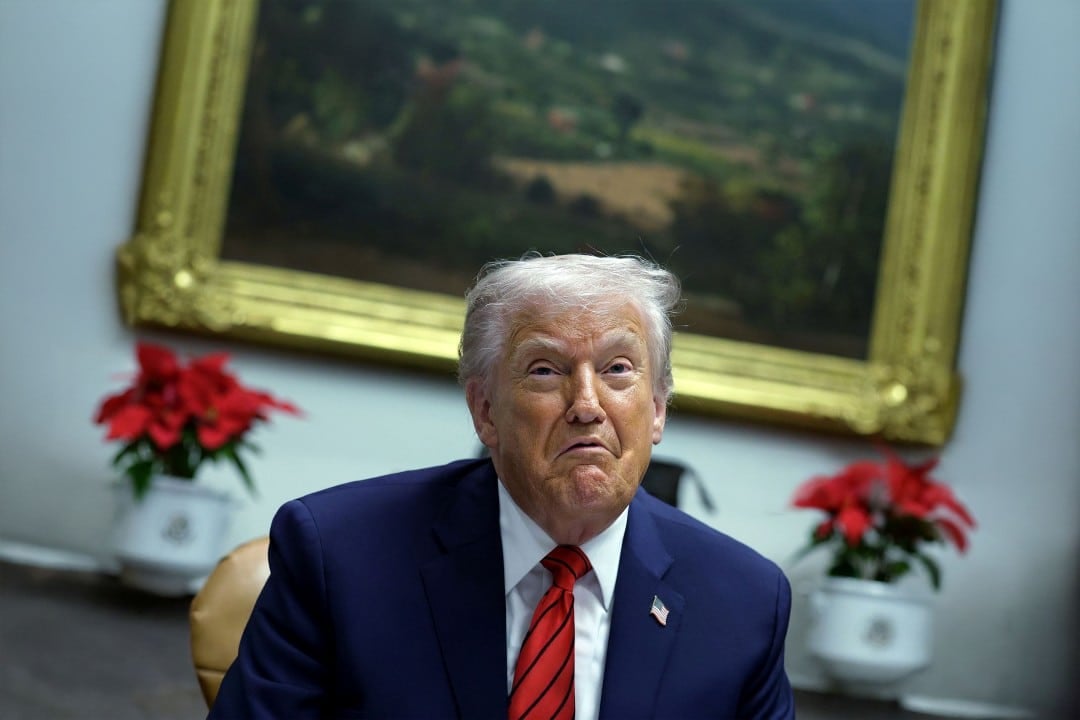
Anticipation builds regarding the potential reception former President Donald Trump might encounter if he attends the World Economic Forum in Davos, Switzerland, in 2025. His previous appearances often sparked debate, but a hypothetical return could unfold against a backdrop of complex global dynamics and evolving diplomatic norms, significantly altered by his past foreign policy decisions. The annual gathering of global leaders typically champions multilateralism and cooperation, themes that have historically contrasted with Trump’s “America First” agenda.
The suggestion in 2019 that the United States might purchase Greenland, a sovereign territory of Denmark, created considerable diplomatic friction and highlighted a transactional approach to international relations. This unconventional proposal, though ultimately unfulfilled, was seen by many as disruptive and emblematic of a unilateral foreign policy that challenged established alliances and international protocols. Such past actions would inevitably shape perceptions of his presence on the global stage.

No mesmo tema: Former president Trump’s evolving America first doctrine amidst global conflicts
Trump’s past visits to Davos included moments of both contention and self-promotion, often using the platform to advocate for his economic policies and challenge what he perceived as globalist ideologies. A 2025 appearance would likely reignite these discussions, particularly concerning trade, climate action, and the role of international institutions. The world leaders and business elites present would scrutinize his rhetoric and proposals with heightened awareness of his previous presidential term.
Greenland bid strains diplomatic norms
The 2019 Greenland acquisition proposition sent ripples across the diplomatic community, underscoring a stark departure from traditional foreign policy engagement. Denmark, a long-standing NATO ally, vehemently rejected the idea, expressing bewilderment and even offense at the suggestion. This incident became a symbol of the transactional and often abrupt nature of Trump’s foreign policy.
Critics argued that the proposal disrespected national sovereignty and undermined the principles of international partnership, casting a shadow over future diplomatic interactions. The episode prompted a broader reevaluation among European allies regarding the reliability and intentions of US foreign policy under his administration. It also highlighted a tension between perceived national interests and established international cooperation frameworks.
Many at Davos prioritize stability, predictability, and consensus-building on global issues. The Greenland incident, conversely, exemplified a willingness to upend diplomatic norms, which could lead to a colder reception from leaders seeking to reinforce a more collaborative international order. The memory of such a proposal serves as a reminder of potential future unconventional moves.
Shifting global sentiment towards US leadership
The global political landscape has shifted significantly since Trump’s last appearance at Davos, with many nations having reaffirmed their commitment to multilateralism and climate action. Should he return in 2025, he would confront a world perhaps even less amenable to his unilateral approach. The forum itself has increasingly focused on urgent global challenges that demand collective solutions.
Mais sobre o assunto: Senior democrats assure european leaders trump’s policy impact to fade within three years
* Climate change mitigation and adaptation
* Global health preparedness and equity
* Technological governance and artificial intelligence ethics
* Economic inequality and inclusive growth strategies
These priorities frequently clash with past stances taken by the Trump administration, especially regarding international agreements and environmental regulations. His previous withdrawal from the Paris Agreement and questioning of international trade bodies resonated negatively with a significant portion of the Davos attendees.
Economic implications of ‘America first’
The “America First” economic doctrine, characterized by tariffs and protectionist trade policies, generated substantial debate during Trump’s presidency. A return to Davos in 2025 would inevitably bring renewed scrutiny to these policies and their potential impact on global supply chains, international trade agreements, and economic stability. Many global business leaders and policymakers advocate for open markets and free trade.
Saiba mais: Venezuela intervention shapes trump’s lasting legacy and america’s global role a pivot from ‘america first’
His previous administration’s imposition of tariffs on goods from China and European allies disrupted established trade relationships and fostered uncertainty in global markets. Davos, a forum for promoting global economic integration, offers a platform where such policies are typically viewed with skepticism. Discussions would likely center on balancing national interests with global economic interdependence.
Economists and business executives at the forum often stress the importance of predictability and stability in international trade for fostering investment and growth. Trump’s approach, perceived by some as erratic, could lead to guarded interactions from those seeking long-term economic partnerships and reliable policy frameworks.
Davos agenda: climate and cooperation
The World Economic Forum’s agenda in recent years has increasingly centered on critical global issues, with climate change and international cooperation taking prominent roles. These themes represent a potential point of friction for any figure associated with past climate skepticism or withdrawal from multilateral agreements. The forum actively promotes initiatives for sustainable development and collaborative governance.
Discussions at Davos consistently emphasize the urgent need for collective action on environmental challenges and the importance of global partnerships to address complex geopolitical and economic shifts. A candidate or former president who has previously expressed doubts about climate science or retreated from international accords might find the prevailing sentiment at the forum quite challenging to navigate. The emphasis on shared responsibility for global welfare could starkly contrast with a nationalistic perspective.
Security concerns and strategic alliances
Beyond economic and environmental concerns, Trump’s approach to global security and strategic alliances generated considerable anxiety among traditional partners. His rhetoric regarding NATO and other international security frameworks raised questions about future commitments and the stability of established defense pacts. The Davos forum often includes discussions on geopolitical risks and the future of international security.
Leaders from various nations would likely seek clarity on potential foreign policy directions, especially concerning alliances and engagement in ongoing conflicts. The discussions at Davos, therefore, would not only reflect on past actions but also project future implications for global stability and cooperative security efforts. A cautious, if not critical, reception, would likely dominate interactions on these sensitive topics.