

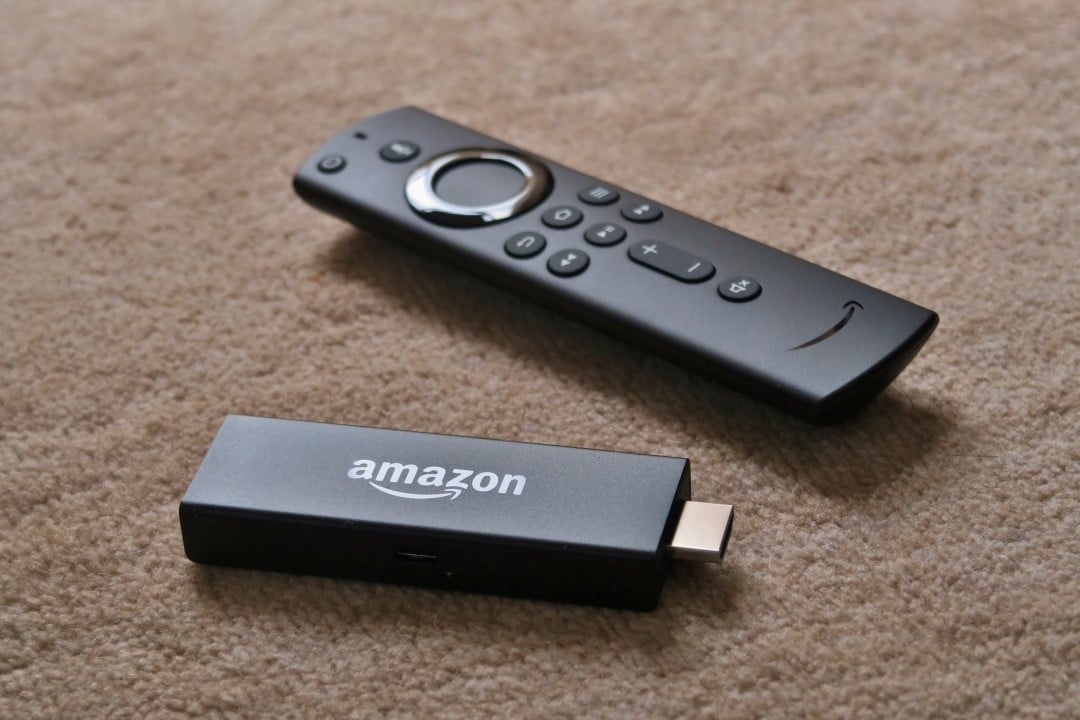
Amazon has begun the process of completely discontinuing the Fire TV Blaster, an accessory designed to add voice control to televisions and soundbars. Proprietários of the device began receiving email notifications stating that support will end in the next few weeks, resulting in the complete and remote deactivation of the device. The measure affects all users who still depend on the accessory to integrate home theater equipment into the Alexa ecosystem.
The device, which works as an infrared (IR) emitter, depends on pairing with an Fire TV Stick and a speaker Echo to operate. With the end of the service, voice commands to turn on the TV, adjust the volume or change inputs will no longer be processed, making the hardware obsolete. The company had already stopped sales of the product at the beginning of 2025, and the deactivation of the service represents the last stage of its life cycle.
The decision reflects a strategic change by the company, which is now focusing its efforts on more modern streaming devices with integrated features. Amazon suggests that affected consumers use their recycling program to properly dispose of the equipment, covering shipping and processing costs.

What changes for accessory users
In practice, discontinuation means that the Fire TV Blaster will lose all its functionality. The device was designed to act as a bridge, receiving voice commands captured by an Echo device and translating them into infrared signals that older equipment, without an internet connection or native voice assistants, could understand. Sem the support of Amazon servers, this communication will be permanently interrupted.
Users who have built their entertainment systems around this solution will need to look for alternatives to maintain voice control. The main consequence is the loss of “hands-free” convenience, forcing a return to the use of multiple physical remote controls to manage different devices, such as televisions, soundbars and audio and video receivers. The change primarily impacts those with legacy equipment that does not have built-in smart control technology.
The trajectory of Fire TV Blaster in the market
Originally launched in 2019, the Fire TV Blaster emerged as a low-cost solution to expand the capabilities of the Alexa to control non-smart entertainment equipment. Sua The proposal was simple: unify the command of different devices using voice, eliminating the need to handle multiple remote controls.
Despite its theoretical usefulness, the device received a mixed reception. The initial configuration was often cited as complex, although later software updates simplified the process. Mesmo thus, the Blaster never reached the sales volume of other products in the Fire TV line, such as the popular Sticks or the more robust Fire TV Cube.
Sales of the product officially ended in the first quarter of 2025, a clear indication that its end was near. The complete deactivation of the service now confirms the permanent retirement of the accessory from the company’s portfolio.
Features that will be lost
The main attraction of the Fire TV Blaster was the ability to centralize control of multiple audio and video devices through simple voice commands directed to the Alexa. With its deactivation, users will lose access to a series of conveniences that the device provided.
Among the actions that will no longer be possible are turning on or off the television and the soundbar simultaneously with a single verbal command, or adjusting the volume precisely without having to look for the remote control. Changing HDMI inputs on compatible televisions or receivers was also one of the most used functions, making it easier to switch between a video game console and an Blu-ray player, for example.
This integration allowed for a completely hands-free usage experience when combined with an Fire TV Stick, as the user could navigate the interface, search for content and control the room’s hardware with their voice. The loss of these functionalities represents a setback in automation for systems that depended on the accessory.
Amazon strategy and focus on new products
The decision to discontinue the Fire TV Blaster is in line with Amazon’s strategy to simplify its hardware ecosystem and focus on products that offer a more integrated and powerful user experience. The latest Dispositivos in the Fire TV line already incorporates many of the features that the Blaster offered as a complement, making it redundant for new consumers.
The company has invested heavily in models such as the Fire TV Cube, which combines a high-performance streaming player with an Echo speaker and an infrared emitter in a single device. Essa “all in one” approach eliminates the complexity of configuring multiple devices to work together.
By ending support for a niche, limited-selling product, Amazon can reallocate development and support resources to enhance the Fire TV platform as a whole. Isso includes the recent redesign of the system interface, which reached several devices in early 2026, focusing on personalization and content discovery.
The priority is clear: investing in hardware and software that serve a larger user base and that are aligned with current trends in the streaming and smart home market, where simplicity and native integration are increasingly valued by consumers.
Fire TV Cube as the main alternative
For users who will be orphaned by the Fire TV Blaster, Amazon positions the Fire TV Cube as the natural successor and most complete alternative available in its portfolio. The device was designed from the ground up to be the home entertainment control center, uniting streaming, voice assistant and equipment control functions in a single body. Diferente from the Blaster, which acted as a dependent accessory, the Cube is a standalone and significantly more advanced solution. Ele has built-in long-range microphones, allowing the user to give voice commands directly to the device without the need for a separate Echo speaker. Além Additionally, its multidirectional infrared emitter is capable of controlling a wide range of devices in the room, from TVs and soundbars to cable TV decoders and receivers. Superior processing power also ensures smoother navigation and support for cutting-edge image and sound technologies such as 4K Ultra HD, Dolby Vision and Dolby Atmos. The presence of a dedicated Ethernet port provides a more stable network connection option than the Wi-Fi, an important feature for high-quality streaming. Amazon, aware of the inconvenience caused by the discontinuation, has offered discounts on the acquisition of the Fire TV Cube to owners of the Blaster, encouraging migration to a more modern platform with guaranteed support for the future.
Disposal options and the recycling program
Aware of the need for environmentally sound disposal of hardware that will become inoperative, Amazon is directing users of the Fire TV Blaster to its recycling program. The initiative aims to facilitate the return of the brand’s electronic devices responsibly and at no cost to the customer.
Detailed instructions on how to proceed are sent in the end of support notification email. The program usually includes the issuance of a prepaid postage label, allowing the user to send the old device through the post office so that the company can take care of the appropriate recycling process.
Evolution of the Fire TV ecosystem
The end of Fire TV Blaster is a reflection of the constant evolution of the Fire TV platform. Desde the launch of the first device more than a decade ago, the product line has expanded and diversified to meet different consumer profiles and price ranges. Amazon’s current focus is on improving the user experience through smarter software and hardware.
The Fire TV OS interface update, implemented in early 2026, is a clear example of this movement. The new layout prioritizes content discovery with personalized recommendations and more intuitive access to the most used applications and services, reinforcing the role of devices as a central entertainment hub.