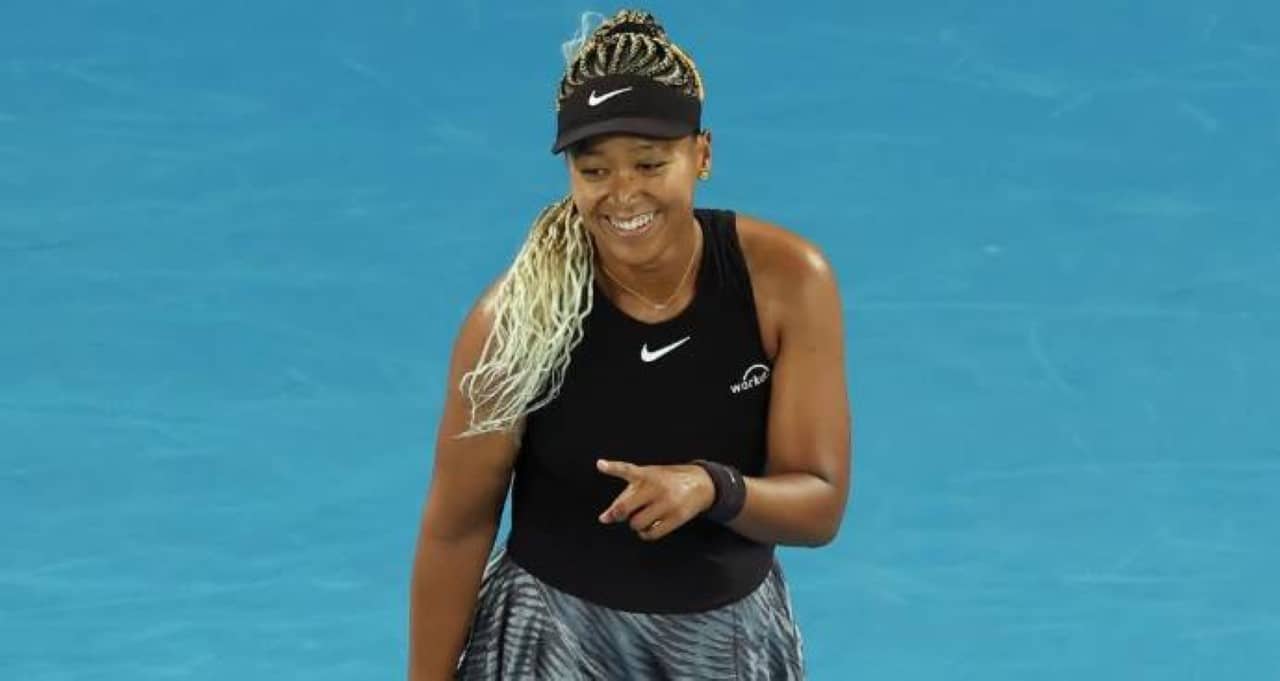
Naomi osaka, a prominent figure in professional tennis, recently issued a public apology to sorana cirstea following their intense second-round match at the Australian Open. The gesture came in the wake of a visibly frosty handshake between the two athletes, an exchange that quickly drew attention and sparked discussions across social media platforms and sports broadcasts. Osaka’s apology directly addressed a perception of “disrespect,” indicating her awareness of the tension and her desire to maintain integrity within the sport’s competitive environment.
The incident occurred moments after the conclusion of their challenging encounter, a pivotal match for both players in the early stages of the prestigious Grand Slam tournament. The brief but noticeable coolness in their post-match interaction quickly became a talking point, underscoring the delicate balance between fierce competition and expected sportsmanship.

Such moments, though sometimes fleeting, often highlight the intense pressures and emotional stakes involved in high-level tennis, where every action on and off the court is scrutinized. Maintaining decorum and mutual respect, even in defeat or victory, remains a core tenet of the sport’s traditions.
The post-match exchange ignites controversy
The traditional post-match handshake, a customary gesture of sportsmanship and respect, took an unexpected turn after the match between osaka and cirstea. Observers noted cirstea’s minimal engagement, leading to immediate speculation about underlying tensions or disagreements that may have arisen during the course of their competitive battle. This public display, captured by cameras and shared widely, quickly became a focal point of discussion among fans and commentators alike, drawing attention to player interactions beyond the rallies.
While the specifics of what transpired on the court to trigger such a reaction remained largely unspoken by cirstea, the very public nature of the handshake signaled a departure from the usual cordiality expected at this level of professional tennis. The incident prompted a broader conversation about sports etiquette and the emotional toll that high-stakes matches can take on athletes, even moments after the final point is scored.
Osaka’s candid statement regarding the incident
Shortly after the match, osaka took the initiative to address the situation directly, acknowledging the perception of disrespect. Her apology, delivered with a tone of sincerity, aimed to de-escalate any lingering tension and clarify her intentions, emphasizing her respect for her opponents and the game itself. This proactive step by the former world number one resonated with many, underscoring her commitment to fair play and personal accountability within the demanding world of professional sports.
Osaka’s statement highlighted the potential for misunderstandings in the heat of competition, suggesting that her actions, however unintentionally, may have been misinterpreted or perceived negatively by cirstea. She articulated a clear desire to learn from the experience and ensure that her conduct consistently reflects the values of sportsmanship that are paramount in tennis. The apology served as a powerful reminder that even top-tier athletes navigate complex human interactions under immense public scrutiny.
Reactions from the tennis community and fans
The apology from osaka generated a mixed but largely supportive response from the global tennis community. Many lauded her maturity and willingness to take responsibility for an uncomfortable incident, viewing it as a positive example of sportsmanship. Others debated the necessity of the apology, suggesting that post-match emotions are often raw and should be understood within the context of intense competition.
Fans, particularly on social media, engaged in extensive discussions about the incident, with opinions divided on whether cirstea’s reaction was justified or if osaka’s apology was a testament to her character. The conversation underscored the passionate nature of tennis fandom and the close attention paid to every detail of player interactions.
Understanding perceived disrespect in professional tennis
Perceived disrespect in professional tennis can stem from various factors, ranging from on-court behavior, such as excessive celebrations or unforced errors that appear dismissive, to off-court comments. These instances, while sometimes unintentional, can quickly escalate tensions between competitors and affect the overall atmosphere of a tournament. The fine line between competitive fire and crossing boundaries is constantly navigated by players.
In a sport where mental fortitude is as crucial as physical skill, any action that hints at a lack of regard for an opponent can be deeply felt. The Australian Open incident serves as a case study in how quickly a perceived slight can become a significant talking point, demonstrating the importance of communication and empathy among athletes.
Historical instances of sportsmanship debates
Throughout tennis history, there have been numerous occasions where sportsmanship has been a central theme, often sparking widespread debate and introspection. These events, ranging from controversial line calls to heated exchanges at the net, highlight the passionate nature of the sport and the intense rivalries that sometimes define eras.
Notable incidents often involve legends of the game, underscoring that even the most accomplished players have faced scrutiny regarding their conduct. These past controversies serve as historical precedents, demonstrating the enduring importance of respect and fair play in maintaining the integrity of tennis. Each generation of players, while pushing boundaries on court, must also navigate the established norms of conduct.
The impact on player relationships on tour
Incidents such as the one at the Australian Open can potentially affect player relationships on the professional tour. While competition is fierce, a sense of camaraderie and mutual respect often prevails, and any perceived breach of this understanding can lead to strained interactions. Osaka’s apology aims to mitigate such negative impacts.
Future implications for sports etiquette
The incident involving osaka and cirstea, and osaka’s subsequent apology, carries broader implications for sports etiquette, particularly in high-stakes environments. It reinforces the idea that athletes are not only judged on their performance but also on their character and conduct, both on and off the court. This event highlights the evolving expectations for sportsmanship in an era of heightened media scrutiny.
Such moments serve as reminders to all athletes about the impact of their actions and the importance of addressing misunderstandings promptly and respectfully. The commitment to maintaining a positive environment within professional sports continues to be a priority for organizations and players worldwide, shaping future interactions and codes of conduct.
