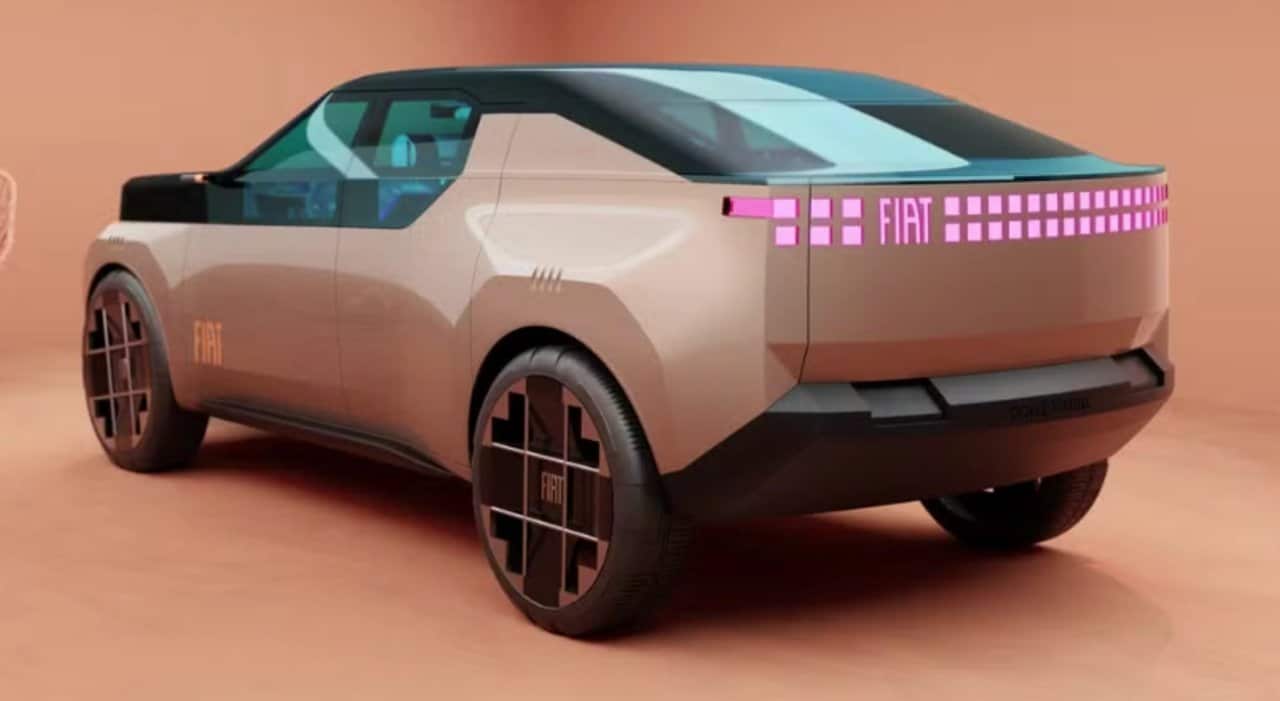
The Fiat accelerates the development of the next generation of the Fastback, its coupe-style SUV, which will undergo a complete redesign. Camouflaged Protótipos were spotted testing at Europa, revealing a vehicle with enlarged dimensions and a design aligned with the Italian brand’s new visual identity, indicating a substantial evolution in relation to the current model. The new phase of the project, known internally by the codename F2X, promises to redefine the vehicle’s presence in the competitive compact sports utility vehicle segment.
The main structural change is the adoption of the Smart Car platform, a more modern and versatile variation of the well-known CMP architecture from the Stellantis group. The base Essa already supports models such as the Citroën C3 and the C3 Aircross, in addition to being chosen for the future The transition to this new platform is a strategic move that aims not only to modernize the project, but also to optimize production and share components between different brands in the group.
With the new base, the Fastback will gain in torsional rigidity and dynamic behavior, in addition to allowing much greater use of internal space. Production of the model in the Brasil is scheduled to begin in the last quarter of 2026 at the Betim (MG) factory, with the commercial launch expected to take place between the end of the same year and the beginning of 2027, positioning the SUV to compete more aggressively in the national and Latin American market.
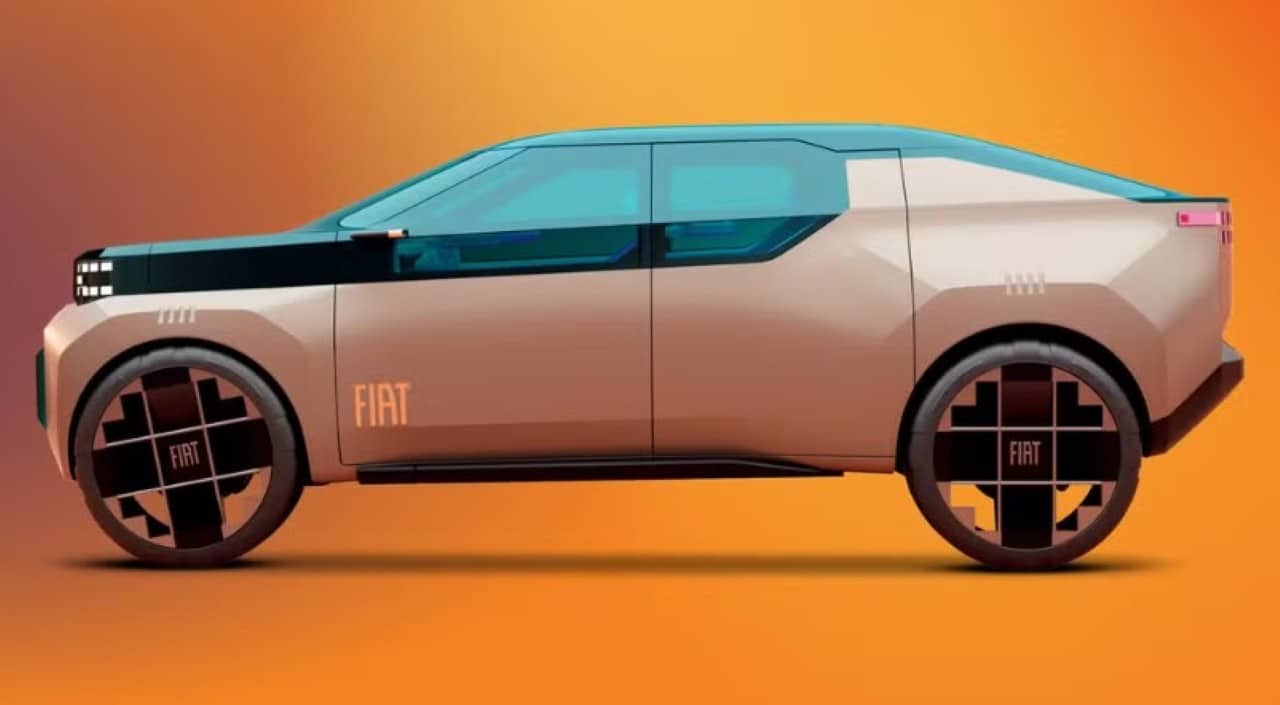
External design with renewed identity
The look of the new generation of the Fastback was carefully crafted to reinforce its sporty and technological character. At the rear, the big highlight are the horizontal taillights, which will be made up of pixelated LEDs. Essa technology allows you to create dynamic light signatures and sophisticated visual effects, especially at night, representing a qualitative leap compared to current Fiat optical sets.
The coupe profile, which is the model’s trademark, was maintained and improved. The roof trim is more fluid and harmonious, connecting more smoothly with the trunk lid. The overall proportions of the vehicle appear more balanced, giving it a more imposing and robust appearance, in line with the expectations of consumers in the segment.
At the front, the shots indicate the adoption of rectangular headlights and an LED light signature divided into sections, similar to that seen in the Grande Panda concept. The bumper has been redesigned and now has a wider lower air intake integrated into the whole, conveying a feeling of greater sportiness and modernity.
The sides also feature new features, with more pronounced creases and alloy wheels with exclusive designs, which contribute to the SUV’s strong visual presence. The set of changes aims to create a unique identity for the Fastback, clearly differentiating it from its platform brothers and reinforcing its bold design proposal.
The new base Smart Car/CMP
The migration to the Smart Car/CMP platform is the cornerstone of the transformation of the new Fastback. Essa modular architecture was designed to be flexible, allowing the production of vehicles from different segments with high component synergy. The structure makes extensive use of high- and ultra-high-strength steels, which results in a lighter bodywork and, at the same time, greater torsional rigidity. In practice, this translates into greater safety for occupants in the event of a collision and more precise and pleasant dynamic behavior when driving, with less body torsion during curves.
In addition to the gains in safety and drivability, the platform was developed with a focus on electrification. Sua architecture is already prepared to receive mild hybrid systems, conventional hybrids and even 100% electric engines. Essa flexibility is crucial to the future of the Fastback, allowing the Fiat to adapt the vehicle to new market demands and increasingly stringent emissions legislation. The design optimization also includes better acoustic and vibration isolation, promising a quieter and more comfortable onboard experience compared to the current generation.
Gains in space and internal comfort
One of the main improvements provided by the new platform will be the increase in internal space. The wheelbase of the Fastback will jump from the current 2.53 meters to an estimated value between 2.60 and 2.64 meters, approaching what will be offered by the Citroën Basalt. Esse gain will be directly perceived by rear seat passengers, who will enjoy more leg and shoulder space.
Despite the steeply sloping roof, the engineering design sought to optimize headroom for rear occupants, minimizing the compromise of comfort in the name of style. The trunk, one of the strengths of the current model, should maintain a generous and competitive volumetric capacity within the segment, even with the general growth of the body.
The new architecture also allows for a flatter floor at the rear, improving comfort for a possible fifth passenger. The refinement of the interior will not be limited to space, as the improved platform contributes to better acoustic insulation, reducing the entry of engine noise and tire rolling into the cabin.
Technological and minimalist interior
The interior of the new Fiat Fastback will undergo a significant modernization, adopting a cleaner and more technological design language. Flagras of the panel reveal the adoption of thinner, horizontally positioned air vents, creating a feeling of spaciousness in the cabin. The central strip of the panel adopts straighter and more minimalist lines, following the trend seen in the most recent releases from Stellantis and Europa.
The multimedia center should maintain the 10.1-inch floating screen, but with updated software, offering a faster and more intuitive interface. Haverá a reduction in the number of physical buttons, with many controls being integrated into the screen or touch-sensitive surfaces on the central console, which in turn will be more elevated and functional. The interior finish should also receive an upgrade, with the use of better quality materials and more sophisticated textures to increase the vehicle’s perception of value.
Turbo flex engines and light electrification
Under the hood, the new Fiat Fastback will maintain the turbo flex engines that already equip the current line, but with important new features. The entry-level versions will continue with the 1.0 turbo engine (T200), which delivers up to 130 hp and 20.4 kgfm of torque. The great innovation will be the association of this engine with a 48V mild-hybrid system (MHEV). Essa technology, known as Bio-Hybrid, uses a small electric motor to assist the combustion engine in accelerations and restarts, which helps to reduce fuel consumption and pollutant emissions, without significantly impacting production costs. The more expensive versions, including the sporty Abarth, will continue to be equipped with the powerful 1.3 turbo engine (T270) with up to 185 hp and 27.5 kgfm of torque, which may also receive the Bio-Hybrid technology in the future. The transmission options must remain between the CVT automatic transmission, for the 1.0 engine, and the conventional six-speed automatic, for the 1.3 engine. Stellantis did not confirm, at the time of launch, the offer of plug-in hybrid or fully electric versions in the Brazilian market, focusing the initial strategy on popularizing mild-hybrid technology.
Positioning and rivalry with Basalt
By sharing the same platform and production line with the Citroën Basalt, the new Fastback is part of Stellantis’s cost optimization strategy. Embora both models have very similar dimensions, their design proposals and market positioning will be different. The Basalt will have an appeal more focused on the comfort and versatility of a traditional SUV, while the Fastback will continue to focus on an audience that seeks sportiness and a different design.
This differentiation will be crucial to avoid cannibalization between products. The Fiat should explore the coupe style, more refined finishing and performance, especially in the Abarth version, as its main selling points. The strategy of sharing mechanical and structural components allows both vehicles to be offered at competitive prices, strengthening the Stellantis group’s presence in the lucrative compact SUV segment.
Production in Betim and release schedule
The confirmation of production at the Betim factory, in Minas Gerais, reinforces the strategic importance of the industrial complex for Stellantis in América Latina. The new generation of the Fastback will be launched first in the Europa, in the first half of 2026, marking the debut of the Fiat SUV coupe in the Velho Continente. Series manufacturing on the Brasil will begin soon after, at the end of 2026, to supply the national market and other countries in the region.
