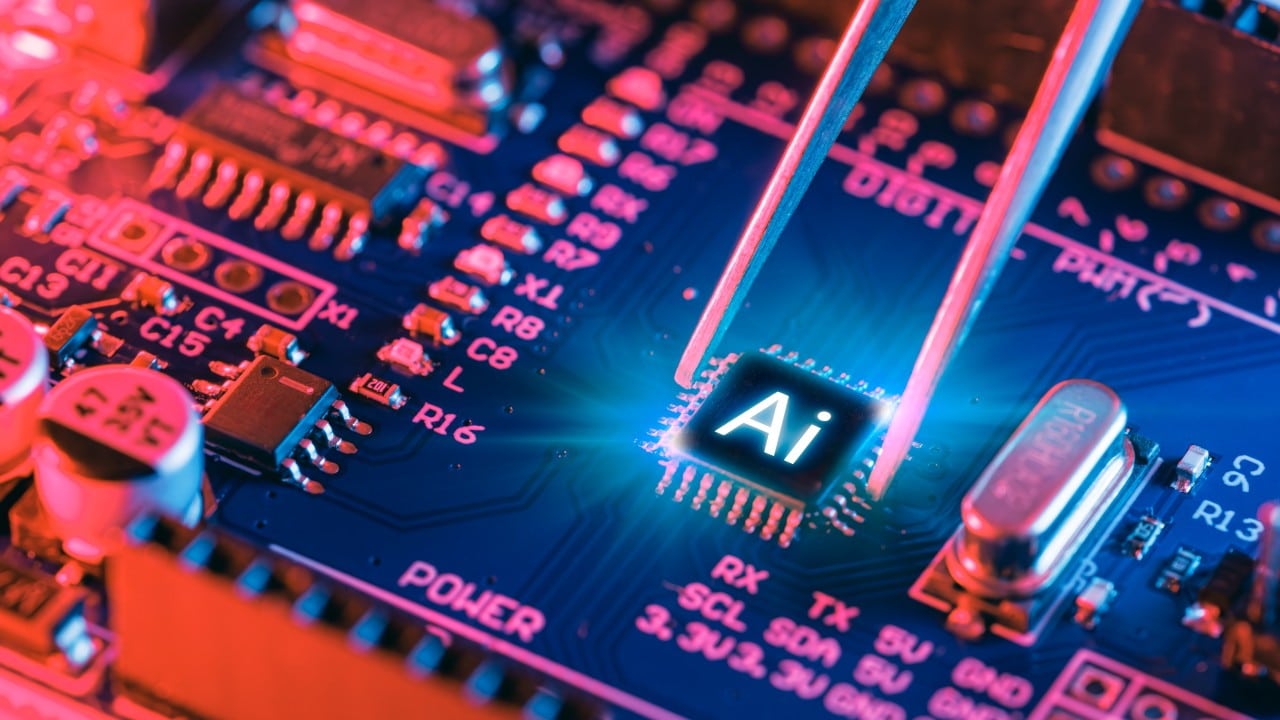
The global electronics industry faces significant headwinds as the rising cost of memory chips squeezes manufacturers, threatening sales of popular consumer devices. Companies such as Raspberry Pi and HP Inc are already increasing list prices to mitigate the surge in component costs, a trend expected to suppress demand across key markets.
This price inflation stems largely from the rapid expansion of artificial intelligence infrastructure. Tech giants like OpenAI, Alphabet, and Microsoft are absorbing a substantial portion of the world’s memory chip supply for their data centers. This shift in demand has led chip producers to prioritize higher-margin enterprise components over consumer-grade parts.
Major memory chip producers, including Samsung, SK Hynix, and Micron, have reported robust quarterly earnings recently, driven by the escalating prices of their semiconductors. These companies have indicated ongoing struggles to meet the surging demand, particularly from the AI sector, a factor that continues to push prices upwards across the board.
AI infrastructure drives chip cost inflation
The intensive computational requirements of advanced artificial intelligence models have created an unprecedented demand for high-performance memory chips. Large tech companies are investing heavily in building out the necessary data center infrastructure to power AI development and deployment. This strategic shift has fundamentally altered the supply-demand dynamics within the semiconductor market, placing significant pressure on the availability and cost of memory components crucial for consumer electronics.
The focus of chip manufacturers on supplying these high-margin data center components means less capacity is allocated to the production of chips for smartphones, personal computers, and gaming consoles. This imbalance directly contributes to the scarcity and subsequent price hikes experienced by device makers. The ripple effect is now clearly visible in retail markets, where consumers are beginning to face higher costs for a wide array of electronic products.
Dampened consumer device sales projected
Industry analysts are revising their forecasts downwards for global consumer electronics sales in 2025, anticipating a significant slowdown. Research firms IDC and Counterpoint now project global smartphone sales to decrease by at least 2% in 2025, a sharp reversal from earlier optimistic growth outlooks. This marks a potential first annual decline in smartphone shipments since 2023, reflecting broader market pressures.
The personal computer market is also bracing for contraction. IDC forecasts the PC market to shrink by at least 4.9% in 2026, following an estimated 8.1% growth in 2024. Meanwhile, console sales are expected to decline by 4.4% in 2025, according to TrendForce, after an estimated growth of 5.8% in 2024. These revised projections highlight a challenging environment for manufacturers reliant on consumer discretionary spending.
The ongoing inflation in chip prices is a primary concern for the entire industry. Counterpoint estimates that memory chip prices could increase by an additional 40% to 50% in the first quarter of 2025, following a substantial 50% rise in 2024. Tobey Gonnerman, president of semiconductor distributor Fusion Worldwide, noted a dramatic thousand percent price inflation in some products over recent quarters, signaling continued upward pressure.
Manufacturers face difficult strategic choices
Electronics manufacturers find themselves at a critical juncture, having to make difficult decisions regarding pricing strategies amidst escalating component costs. Industry heavyweights such as Apple and Dell are grappling with the choice of either absorbing the increased costs, thereby sacrificing profit margins, or passing these costs onto consumers, which risks dampening demand further in an already soft market. This dilemma is particularly acute for companies with extensive product lines.
* Manufacturers absorbing costs risk reduced profitability.
* Passing costs to consumers could harm sales volume.
* The global economic climate, marked by broader inflation, complicates these pricing decisions.
Jacob Bourne, an analyst at Emarketer, emphasized that while manufacturers might absorb some costs initially, the sheer scale of the chip shortage means these increases will inevitably translate into higher prices for consumers. This situation is expected to result in more modest sales of consumer devices throughout 2025 and 2026, creating a challenging landscape for companies attempting to sell products in an inflationary environment.
The impact of these rising costs is anticipated to be particularly pronounced for manufacturers of low and mid-range devices. Chinese smartphone makers like Xiaomi and TCL Technology, along with PC manufacturer Lenovo, are likely to feel the brunt of this pressure most acutely. Reports from TrendForce in 2024 indicated that Dell and Lenovo were already planning price increases of up to 20% by early 2026, underscoring the severity of the situation across different market segments. Consumers should prepare to pay significantly higher prices for a range of electronics, including laptops, mobile phones, wearables, and gaming devices in the near future.
