

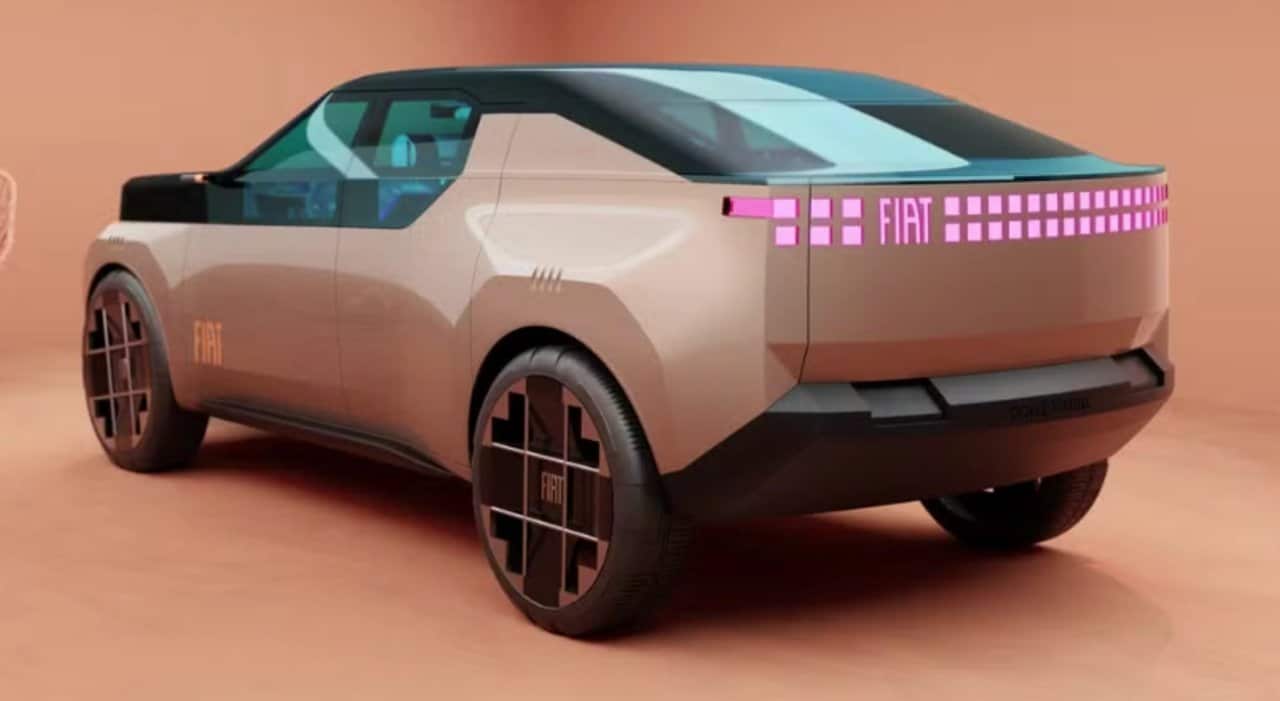
The Fiat advances in the development of the next generation of the Fastback, its coupe-style SUV that will be completely redesigned. Novos images taken at Europa reveal a prototype with enlarged dimensions, similar to those of the Citroën Basalt, and design details that reinforce the Italian brand’s new visual identity. The official presentation is scheduled to take place in 2026, with an initial launch on the European market.
Known internally by the codename F2X, the model will adopt the Smart Car platform, a variation of the CMP architecture from the Stellantis group. The Essa base is already used in vehicles such as the Citroën C3 and the Basalt, and the change represents a significant leap in terms of internal space, dynamic behavior and structural safety compared to the MLA base currently used.
Production on the Brasil is confirmed for the Betim factory, in
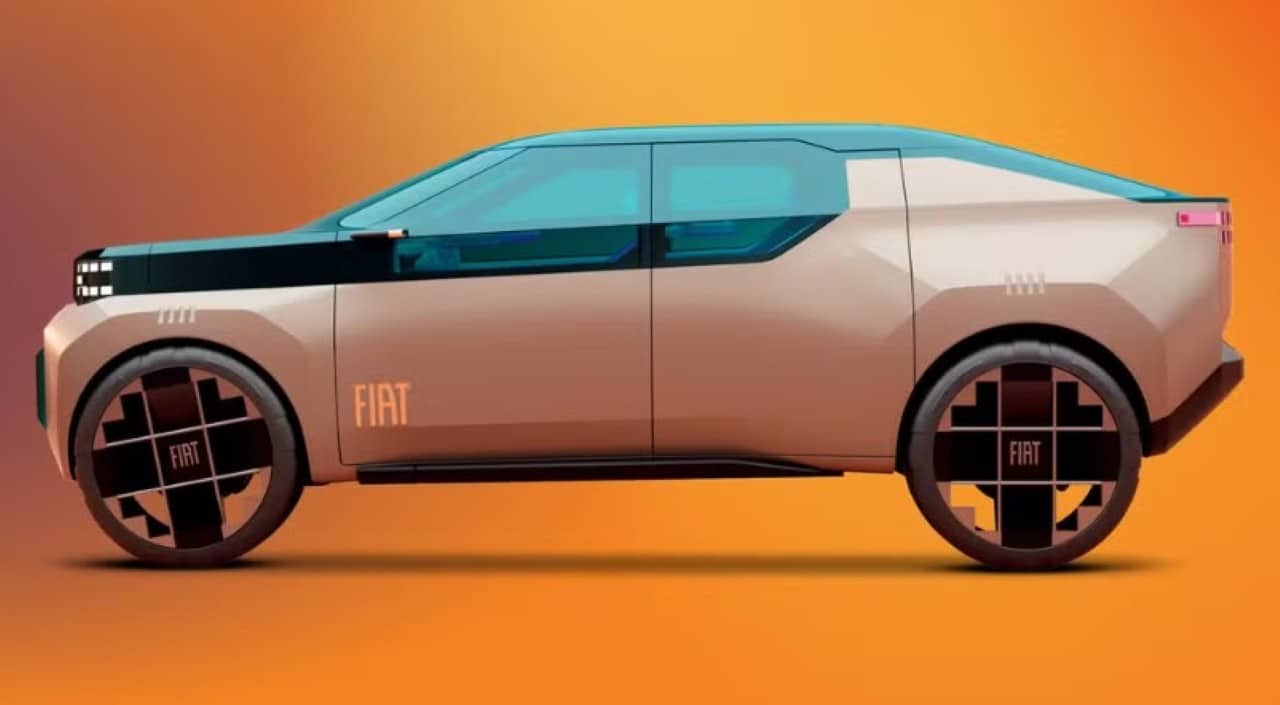
A new design for the coupe SUV
The rear of the new Fastback stands out for its horizontal taillights entirely made up of pixelated LEDs, a solution that allows you to create distinct lighting effects, especially at night. The Esse component represents a clear evolution in relation to the current optical assemblies in the Fiat line, giving the vehicle a more technological and sophisticated appearance. The sharp drop in the roof, a striking feature of the model, was maintained, but with more fluid lines that accentuate sportiness without compromising visual harmony.
At the front, the headlights adopt a rectangular shape with a split LED signature, bringing the Fastback in line with the more recent Stellantis launches. The bumper has been redesigned with a large lower air intake, integrated into the optical assembly. The light alloy wheels, also visible on the prototypes, have a design inspired by the Grande Panda concept, reinforcing the brand’s new identity and a more imposing stance.
The CMP platform as a foundation for growth
The migration to the Smart Car/CMP architecture allows a considerable increase in the dimensions of the Fastback. The wheelbase, one of the main indicators of internal space, will grow from the current 2.53 meters to a value between 2.60 and 2.64 meters. The Essa measurement is very close to that of the Citroën Basalt, the model with which it will share the production line in Betim.
The main benefit of this increase will be felt by rear seat passengers, who will have more leg and head room. Mesmo with the general growth of the body, the trunk should maintain its competitive capacity within the segment, one of the model’s current strengths.
In addition to space, the new architecture provides improvements in the chassis’ torsional rigidity and acoustic insulation. Tests carried out on the Europa indicate a higher level of refinement than the MLA platform, resulting in a quieter and more comfortable drive on different types of road surfaces.
Renovated interior with a focus on technology
Previous images of the interior revealed a dashboard with cleaner, more horizontal lines, following the design language adopted in the most recent releases from the Stellantis group. The air vents have been redesigned, presenting a thinner shape and integrated into the whole, which contributes to a feeling of greater spaciousness in the cabin.
The multimedia center will maintain the 10.1-inch screen, but with an updated and more intuitive graphical interface. Haverá a reduction in the number of physical buttons, with many controls migrating to touch-sensitive surfaces, both on the dashboard and on the center console.
The steering wheel will be inherited from the Grande Panda concept, with a modern and functional design. The central console was raised, creating a more immersive environment for the driver and passenger, in addition to housing new controls and storage compartments.
The quality of the materials used in the finishing also suggests an evolution. Espera uses better quality plastics and more refined textures, positioning the new Fastback at a higher level of finishing compared to the current generation.
Turbo flex engine will be maintained
The range of engines for the new Fiat Fastback should maintain the Turbo Flex units already known and approved by the market. Entry-level versions will continue to be equipped with a 1.0 turbo engine with up to 130 horsepower, which in some configurations can be associated with a 48V micro-hybrid system to optimize fuel consumption and reduce emissions. Para top versions, such as the Abarth, the 185 horsepower 1.3 turbo engine will continue to be the main option, guaranteeing sporty performance. The transmission options, whether automatic CVT or conventional six-speed, will be maintained, but with a new calibration to adapt perfectly to the weight and dynamics of the new platform. Stellantis has not yet officially confirmed the launch of electric or plug-in hybrid versions for the Brazilian market at first, prioritizing flex options with the help of the mild-hybrid system.
Production and launch on the national market
Series production of the new Fastback and Brasil is scheduled to begin in the last quarter of 2026 at the Betim (MG) plant. The mining unit is receiving investments to adapt to the production of models based on the CMP platform.
The commercial launch in the country will take place shortly afterwards, between the end of 2026 and the beginning of 2027. The schedule depends on the completion of rigorous validation tests, which guarantee the vehicle’s adaptation to Brazilian driving conditions and fuel.
Strategic positioning within Stellantis
The arrival of the new Fastback consolidates the renewal of the Fiat portfolio on the CMP platform. Ele will join the new Argo (derived from Grande Panda) and the future generations of Pulse and Strada, creating a more modern and competitive product line, with greater component synergy between the group’s brands.
Technical details of the Smart Car architecture
The Smart Car platform is an evolution of CMP, optimized for emerging markets like Brasil. Sua structure uses a greater proportion of high and ultra-high strength steels, which improves safety in the event of collisions and, at the same time, contributes to reducing the vehicle’s total weight, positively impacting consumption and performance.
The rear suspension continues to use a torsion beam, but with revised calibration to offer an improved balance between comfort and stability. Tests indicate a greater ability to absorb road irregularities without compromising safety when cornering. The electric steering also received a new adjustment, becoming more direct and communicative, especially in versions with a sporty appeal. The braking system will feature ventilated discs at the front in all configurations, ensuring safe and efficient braking.



