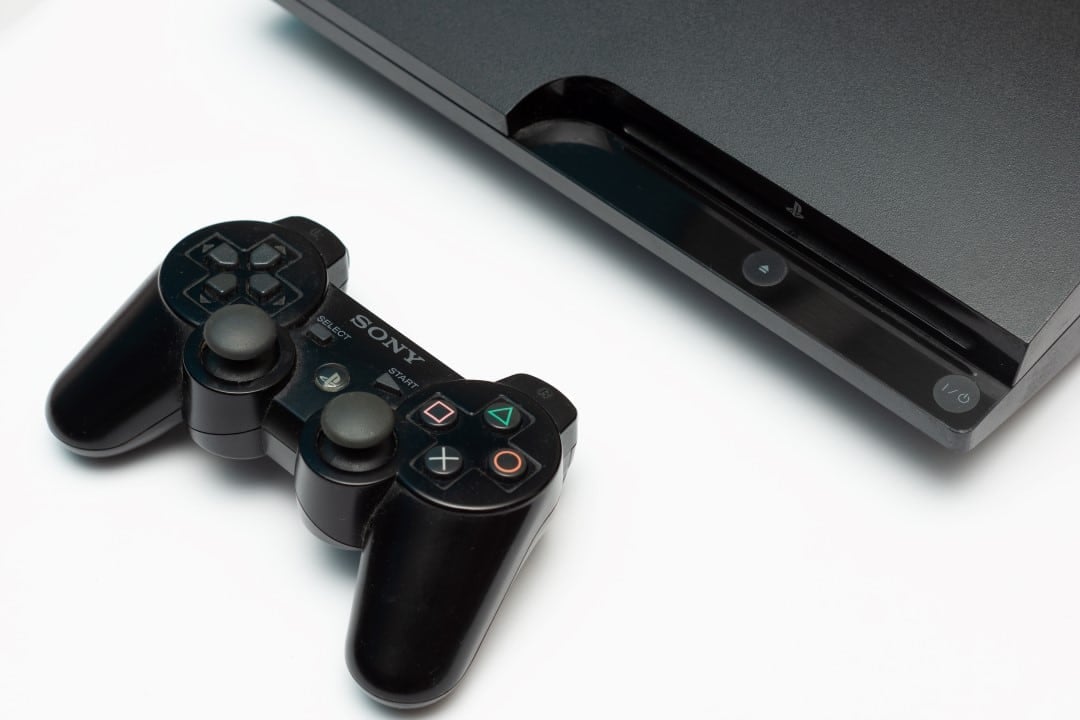
An unprecedented technical innovation in the hardware modification scene has just been revealed, promising levels of performance that were considered unattainable for certain versions of the Playstation 3. The new technique uses a hardware injection via the Raspberry Pi Pico to implement the so-called Quasi-Custom The procedure directly affects the Super Slim, Slim 3000 units and the final versions of the 2504 model, which previously had severe restrictions for deep system modifications.
This advancement represents a milestone for the preservation and maximum use of seventh generation console hardware, allowing the system to operate beyond factory specifications. As it is a physical intervention in the RAM memory through the external microcontroller, the modification becomes virtually immune to any attempt to correct it by the original manufacturer. The Sony has no technical means of blocking this functionality through traditional software updates, ensuring longevity to the method discovered by modification experts.
Graphics performance reaches unprecedented levels with stable overclocking
The main feature of this new mod is the ability to massively overclock the Playstation 3’s graphics processing unit, the RSX chip. In tests documented by Polish experts, the Super Slim console managed to reach the 850MHz frequency mark on the RSX, a considerable jump in relation to standard operating values. Mesmo under this intense processing load and using version 4.92 of the modified firmware, the device remained at a stable temperature below 55°C, demonstrating thermal efficiency.
Significant increase in the frame rate per second in titles that showed performance drops.
Operating system stability even under conditions of prolonged hardware stress.
Reduction in loading time in several internal processes of the modified system.
Improved texture rendering and processing of complex visual effects.
The balance between gaining power and maintaining the physical integrity of the component is one of the points most praised by the international technical community. Anteriormente, attempts to force the hardware to these levels resulted in immediate overheating or critical instability of the operating system. With the new hardware injection architecture, power and processing management occurs in a fluid and safe way for the end user.

Native compatibility with Playstation 2 titles and Linux system
In addition to the gross gain in graphical power, the modification introduces features that drastically expand the console’s usefulness today. One of the most celebrated additions is the ability to run Playstation 2 ISO files natively, eliminating the need for complex conversions or limited software emulation. Isso allows classic libraries to be accessed with their original processing quality, taking advantage of backward compatibility hidden within the Sony hardware architecture.
The implementation also opens the door for the full installation of Linux-based operating systems, transforming the console into a versatile workstation or multimedia center. Essa functionality had been officially removed by Sony years ago for security reasons, but now returns with full driver and peripheral support. Using the Raspberry Pi Pico as a communication bridge facilitates the installation of software packages that would not be accepted by the Japanese manufacturer’s original security system.
Hardware recovery and security against system crashes
The new qCFW method acts as an essential maintenance tool, enabling the recovery of consoles that have been rendered unusable by previous software errors. Aparelhos stuck in so-called “factory mode” or with critical boot failures can be restored through data injection via external hardware. Essa “unbricking” capability brings back life to thousands of drives that were considered electronic waste due to firmware locks or internal data corruption in flash memory.
The nature of this modification redefines the relationship between users and hardware ownership, since the intervention occurs at a physical level where Sony’s software does not have full jurisdiction. Como data injection occurs directly into RAM through Pico, the console interprets the instructions as legitimate from the moment it is turned on. Este process prevents new operating system versions from detecting the modification as a threat, allowing users to remain with the updated console without losing new features.
Technical specifications and integration of new system features
Technical data collected during the testing phases shows that the Playstation 3 architecture still had a considerable reserve of performance that was never officially used. Firmware customization allows fine-tuning of operating voltages and frequencies, ensuring each model receives the appropriate treatment for its motherboard revision. Support for new software APIs and user interface improvements makes navigating the system more agile and responsive for the modern gamer.
Optimized interface for managing files and backups directly from the main menu.
Intelligent ventilation manager that adjusts rotation according to overclocking needs.
Support for new media formats and latest network protocols for data transfer.
Possibility of backing up trophies and save data externally and securely.
The continued development of this tool promises to bring even more refinements to the community of players who keep the console active. The ease of access to the Raspberry Pi Pico hardware makes this modification accessible and relatively inexpensive for technicians and enthusiasts who want to get the most out of their devices. The evolution of qCFW BadWDSD signals that the lifecycle of the Playstation 3 is far from over, finding new momentum through independent technical ingenuity.
Future of the console modification and digital preservation scenario
The repercussion of this launch reaches collectors and game historians who see modification as a way of keeping the history of hardware alive. With the ability to run open operating systems and games from previous generations natively, the Playstation 3 establishes itself as one of the most versatile devices in the industry. The focus now turns to creating new applications and tools that can take direct advantage of the RSX’s 850MHz of processing unlocked by the mod.
The stability demonstrated in the Super Slim and Slim 3000 models corrects a historical gap, as these models were often left aside as they were considered “locked”. Agora, the entire Sony console production line enters a level playing field with regards to full control of the hardware by the owner. The success of this technique could inspire similar methods on other platforms, challenging the barriers imposed by hardware manufacturers around the world.
The development environment around qCFW is constantly being updated, with new stability patches being released regularly to ensure full compatibility. Integration with the external microcontroller serves as a permanent shield against planned obsolescence or removal of functions via the internet. Este case reinforces the global trend of seeking the right to repair and modification, where end users seek autonomy over the electronic devices they acquire for their entertainment or work.
