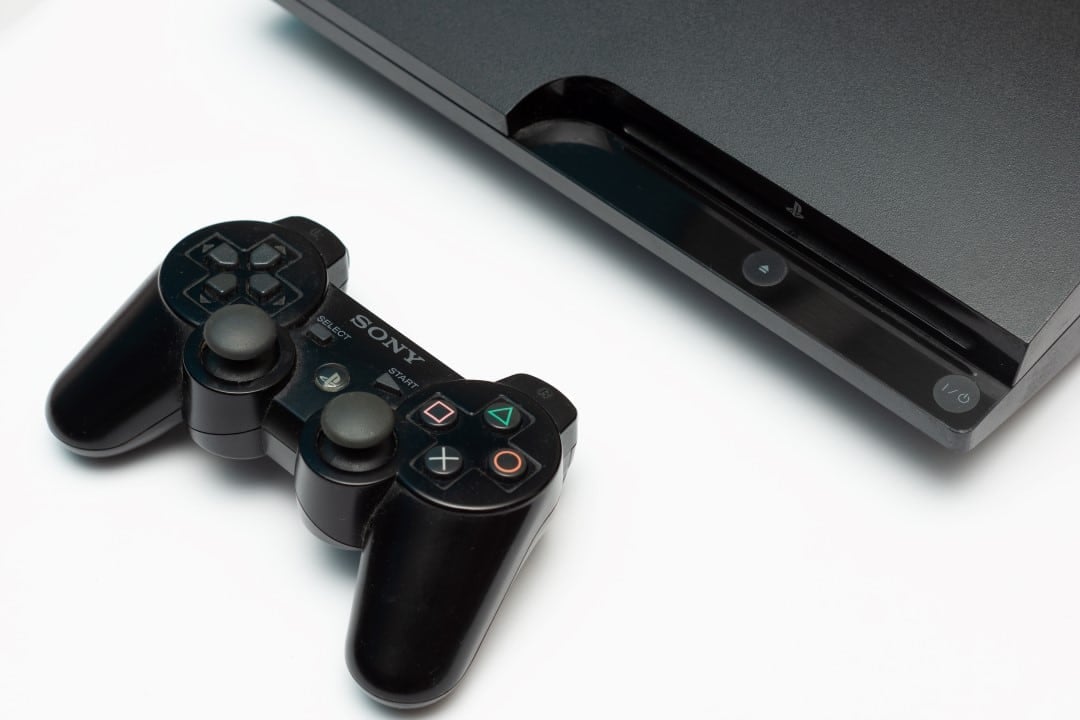
A new frontier has been broken in the console modding community, bringing a level of performance previously considered unattainable to the Playstation 3. An innovative technique, using an Raspberry Pi Pico microcontroller, is allowing newer console models, such as the Super Slim and the Slim 3000, to achieve extraordinary graphics performance through stable and safe overclocking.
The procedure implements a custom firmware, known as qCFW BadWDSD, through a hardware injection. Essa approach circumvents the restrictions imposed by Sony, which historically limited in-depth modifications to these specific PS3 models, opening up a range of new possibilities for enthusiasts and collectors.
As it is a physical intervention that acts directly on the device’s RAM memory at startup, the modification is effectively immune to any type of software blocking. Isso ensures that unlocked features remain active regardless of future system updates that may be released.

Graphics performance taken to a new level
The main attraction of this modification is the ability to take the console’s graphics processing unit (GPU), the RSX chip, to operating frequencies much higher than the factory ones. In tests documented by experts, an Super Slim model reached the stable mark of 850MHz, a significant increase that translates into visible improvements in game execution, with higher and more stable frames per second rates in titles that suffered from performance drops.
The biggest surprise, however, is the thermal efficiency of the system under this new workload. Mesmo operating with the modified firmware in version 4.92 and with the overclock at maximum, the console maintained its temperature below 55°C. Este solves one of the biggest challenges of previous modifications, which often resulted in overheating and critical instability, demonstrating refined and safe power and heat management for the hardware.
The role of Raspberry Pi Pico in modification
The key to the success of this technique lies in the use of the Raspberry Pi Pico as an external injector. The microcontroller is programmed to load the Quasi-Custom Firmware (qCFW) directly into the Playstation 3’s RAM as soon as the console is turned on. Esse process occurs at such a fundamental level that the PS3’s native security system is unable to detect it as a threat, interpreting the new instructions as a legitimate part of the boot process. Essa hardware approach not only unlocks the console, but also creates long-lasting protection, as Sony has no way to reverse or block modification through online firmware updates, consolidating the user’s control over the device itself.
Expanded functionalities with qCFW
In addition to the significant power gain, qCFW reintroduces and improves features that expand the console’s usefulness. One of the most celebrated is the ability to run Playstation 2 games from ISO files natively. Isso eliminates the need for software emulators or complex conversions, allowing players to access a vast catalog of classics with maximum fidelity and performance.
The modification also restores the ability to install Linux-based operating systems, a functionality removed by Sony in the past for security reasons. With full driver and peripheral support, the console can be transformed into a versatile multimedia center or even a compact workstation, taking advantage of the hardware architecture for tasks beyond gaming.
A recovery and preservation tool
The new qCFW method also stands out as a powerful maintenance and repair tool. Consoles that were previously “bricked”, that is, rendered unusable by software failures, errors during updates or stuck in “factory mode”, can now be completely recovered. Data injection via external hardware can restore the operating system, bringing back to life thousands of units that were considered lost and destined for electronic waste.
Technical implementation details
The customization offered by the firmware reveals that the Playstation 3 architecture had a significant performance reserve that was never officially exploited. The software allows fine-tuning of parameters such as operating voltages and frequencies, ensuring that each motherboard revision receives an optimized configuration for maximum performance and stability.
One of the most important built-in features is an intelligent ventilation management system. Essa functionality dynamically adjusts the cooler rotation based on the temperature and processing load of the RSX, ensuring that the console remains efficiently cooled during intense gaming sessions, without generating excessive noise during idle moments.
The user experience has also been improved with an optimized interface for managing files and backups directly from the console’s main menu. Support for new media formats and newer network protocols has been added, speeding up data transfer and making overall system navigation more fluid and responsive.
Implications for the community and the future of the console
This release has a profound impact on the digital preservation scene and for video game collectors. By allowing the execution of open operating systems and games from previous generations natively, the Playstation 3 consolidates itself as one of the most versatile and valuable devices for maintaining the history of games.
One of qCFW’s greatest achievements is democratizing access to full modding across the console’s entire product line. The Super Slim models and the latest revisions of the Slim, once seen as limited, now achieve the same level of control and customization as the original “fat” models, unifying the possibilities for all owners.
The success of this hardware injection approach could inspire the development of similar methods for other closed system gaming platforms. The technique reinforces the growing global discussion about the right to repair and modification, where consumers seek greater autonomy over the electronic devices they acquire.
Development around qCFW BadWDSD continues to be active, with the community regularly releasing updates and stability patches to expand compatibility. Essa dedication ensures that the life cycle of the Playstation 3 is extended for many years, driven by the technical ingenuity of its biggest fans.