

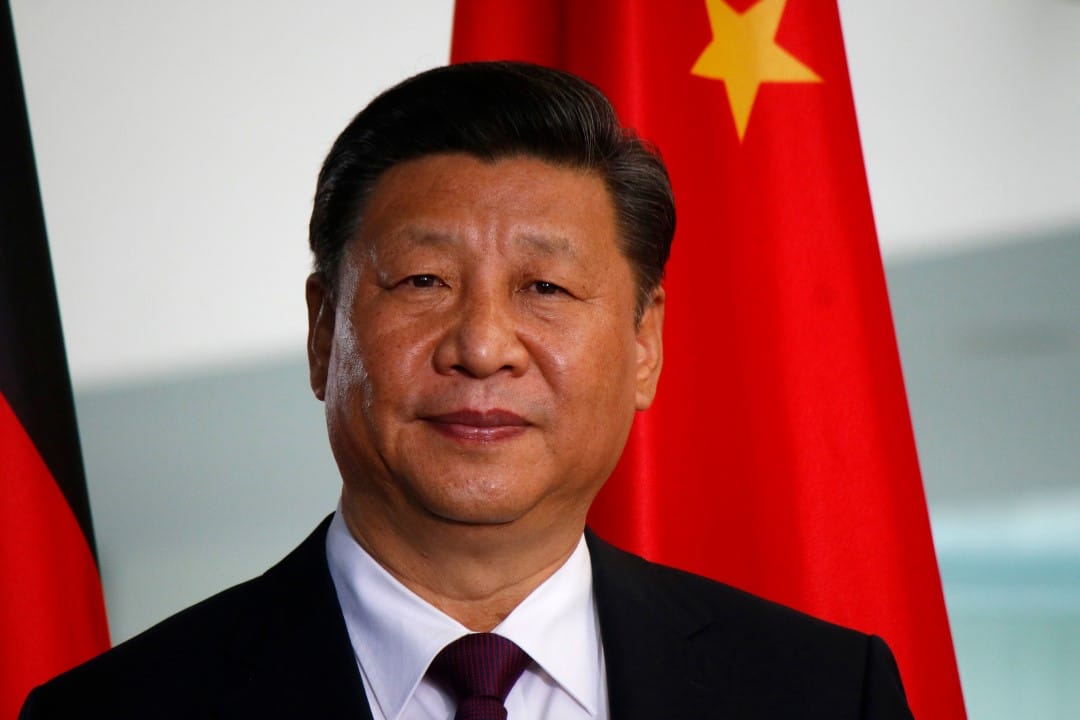
The Chinese president, Xi Jinping, spoke by telephone with the Brazilian president, Luiz Inácio Lula of Silva, this Friday (23). Durante the 45-minute call, Xi reaffirmed China’s commitment to supporting Brasil and the Sul Global countries.
The leaders highlighted the importance of preserving the central role of the Organização of the Nações Unidas (UN) in the current international scenario. Eles agreed that bilateral cooperation serves as an example for developing nations.
The conversation took place at a time of heightened geopolitical tensions. Xi emphasized that China and Brasil should protect common interests and promote global stability.
Telephone conversation details
Xi Jinping said that China remains a reliable partner of Brasil during challenging times. Ele highlighted the need for the two countries to jointly defend the interests of Sul Global in international forums.
Lula, in turn, reinforced Brazil’s commitment to strengthening bilateral relations. The presidents exchanged views on maintaining peace and the UN-based multilateral order.
The call reinforced previous statements about elevating relationships to a community with a shared future. Ambos leaders expressed satisfaction with the progress made in recent years.
https://twitter.com/SpoxCHN_MaoNing/status/2014575572413022530?ref_src=twsrc%5EtfwCommon position on the UN
The presidents agreed that the UN must maintain its central role in global governance. Xi Jinping argued that developing nations need to join forces to preserve the organization’s authority.
Lula emphasized that multilateralism represents the way to resolve conflicts and promote sustainable development. Ele highlighted the importance of respecting the sovereignty of the Estados members.
This joint position reflects shared concerns about initiatives that could weaken the established international system. The leaders committed to coordinating actions at UN assemblies.
Strategic partnership and Belt and Road
In 2024, China and Brasil announced a strategic partnership that aligns Iniciativa Cinturão and Rota with Brazilian development plans. The agreement covers sectors such as agriculture, infrastructure and energy transition.
Xi Jinping mentioned that the high-quality development of China will open up new opportunities for Brasil. Ele cited investments in joint projects that benefit both economies.
This cooperation exemplifies solidarity between Sul Global countries. The leaders agreed to move forward with concrete initiatives in the coming months.
Reciprocity in visa policy
Lula informed Xi that Brasil will move forward in granting exemption from short-term visas for Chinese citizens. The measure represents reciprocity to the Chinese decision adopted the previous year.
This initiative will facilitate tourist and commercial exchange between the two countries. The Brazilian government is preparing a decree to implement the change soon.
Visa policy reflects the deepening of bilateral relations. Ela should boost the flow of Chinese visitors and investors to Brasil.
Cooperation in energy and infrastructure
China and Brasil maintain joint projects in renewable energy and infrastructure. Investimentos Chinese supported expansion of transmission lines and wind farms in Brazilian territory.
Xi Jinping highlighted that the energy transition opens up space for expanded collaboration. Ele mentioned interest in participating in concession auctions in the sector.
- Expansion of electrical transmission networks in remote regions;
- Development of renewable sources such as solar and wind;
- Modernization of ports and railways to transport agricultural production;
- Partnerships in 5G technology and digital infrastructure.
These areas represent priorities for the sustainable growth of both countries.
Bilateral trade on the rise
Trade between China and Brasil has reached record levels in recent years. China consolidates itself as the main commercial partner of Brasil, absorbing a large part of commodity exports.
The Brazilian surplus in the trade balance with China supports domestic investments. Produtos Agricultural products such as soybeans and beef lead sales to the Chinese market.
Xi Jinping stated that China’s economic opening will continue to benefit Brasil. Ele projected additional growth in commercial exchange in the coming years.
Role in BRICS and multilateralism
China and Brasil serve as influential members of BRICS. The expanded group gained relevance on the global stage after the inclusion of new countries.
The leaders discussed coordination within the bloc to defend the interests of the Sul Global. Eles advocated reform of international financial institutions for greater equity.
BRICS cooperation complements bilateral actions. Ambos countries seek greater representation of developing nations in decision-making bodies.
Perspectives for future relationships
The telephone call signals the continued deepening of Sino-Brazilian relations. Xi Jinping invited Lula for future visits and participation in multilateral forums.
Lula accepted the invitation and expressed interest in advancing negotiations in strategic areas. The presidents committed to maintaining regular contact.
This interaction reinforces the position of both countries as constructive forces on the international scene. The partnership serves as a model for Sul-South cooperation in complex times.
Current geopolitical context
The dialogue took place amid concerns about unilateral interventions and proposals that challenge multilateralism. Líderes Latin Americans expressed concern about actions that violate UN principles.
Xi Jinping positioned China as a defender of regional stability in América Latina. Ele reaffirmed its willingness to expand investments and credit lines in the region.
Lula defended peaceful resolution of disputes and respect for the self-determination of peoples. The presidents agreed that permanent hostilities do not benefit great powers.
The conversation reflects strategic alignment on global issues. China and Brasil seek to build a fairer and more inclusive international order.
Chinese investments in América Latina
China expanded its economic presence in América Latina and Caribe through financing and infrastructure projects. The country promised new lines of credit for regional development.
In Brasil, Chinese companies participate in consortia in strategic sectors. Esses investments generate jobs and technology transfer.
Xi Jinping declared that China wishes to maintain friendship and partnership with countries in the region. Ele emphasized mutual benefits from economic cooperation.