

The arrival of the Final Fantasy VII Remake Intergrade to the Análises detailed techniques already put the performance of the new port side by side with the already established and powerful version for PlayStation 5, revealing the strengths and concessions of each platform.
The launch became a true case study in hardware optimization, demonstrating the Switch 2’s ability to run big-budget titles. The direct comparison offers clear insight into the strategies used by Square Enix to adapt the dense and detailed city of Midgar into a system focused on versatility, without compromising the essence of the experience.
For gamers, the analysis goes beyond resolution numbers and frames per second, influencing the purchasing decision between the maximum performance offered by the Sony console and the unique flexibility of the Nintendo hardware. The presence of all content from the Intergrade edition, including the episode from Yuffie, ensures that the choice is based purely on platform preference.
Resolution and performance in debate
At the heart of the technical comparison are resolution and frame rate. The Nintendo Switch 2 runs the game at a stable 1080p resolution when docked, with a frame rate locked at 30 per second. Essa approach prioritizes visual consistency, avoiding performance drops that could harm the experience in moments of intense combat or exploration of complex scenarios. Stability is a crucial point to ensure gameplay remains fluid and responsive, even with hardware limitations.
On the other hand, the PlayStation 5 operates at a higher level in its performance mode, reaching dynamic resolutions that exceed 1080p and maintaining a solid 60 frames per second. Essa extra fluidity provides a feeling of greater agility and immediate response to commands, especially noticeable in real-time battles, which are one of the pillars of the remake. The difference is notable for players accustomed to high frame rates, offering a visually smoother and more dynamic experience that fully exploits the capabilities of the Sony console.
The trump card of DLSS technology in Switch 2
One of the main technical differences of the version for Nintendo Switch 2 is the implementation of DLSS (Deep Learning Super Sampling) technology from Nvidia. Esse feature uses artificial intelligence to reconstruct the image from a lower native resolution, resulting in sharp, detailed visual quality that approaches higher resolutions.
Thanks to DLSS, the game’s lighting gets an improved treatment, with more defined shadows and fewer visual artifacts. The technology also contributes to a cleaner image by significantly reducing aliasing on the edges of objects and characters, resulting in smoother contours and a more polished overall presentation.
This software optimization allows Switch 2 to compensate for part of the difference in raw power compared to the PS5, delivering an impressive visual experience that surpasses, in clarity, the original version released for the PlayStation 4.
Quality of textures and shadows under analysis
When analyzing the finer details, the textures of Final Fantasy VII Remake Intergrade in Switch 2 are of varying quality. In many elements, such as the main character models and central parts of the scenery, the details are very close to the PS5 version, demonstrating careful optimization work.
However, on more distant surfaces or secondary objects, texture resolution is noticeably lower, a necessary compromise to maintain stable performance. Essa dynamic quality scaling approach is common in ports to less powerful hardware.
Shadows also exhibit clear differences. Enquanto the PS5 features more complex, high-resolution shadows, the Switch 2 uses a similar technique to the PS4, although it benefits from improved filtering that smooths transitions and reduces the “blocky” effect.
Despite these concessions, the final result on the Nintendo console consistently surpasses the experience offered on the PS4 Pro, positioning the new port as a significant technical evolution compared to the last generation.
Visual fidelity in Midgar and the protagonists
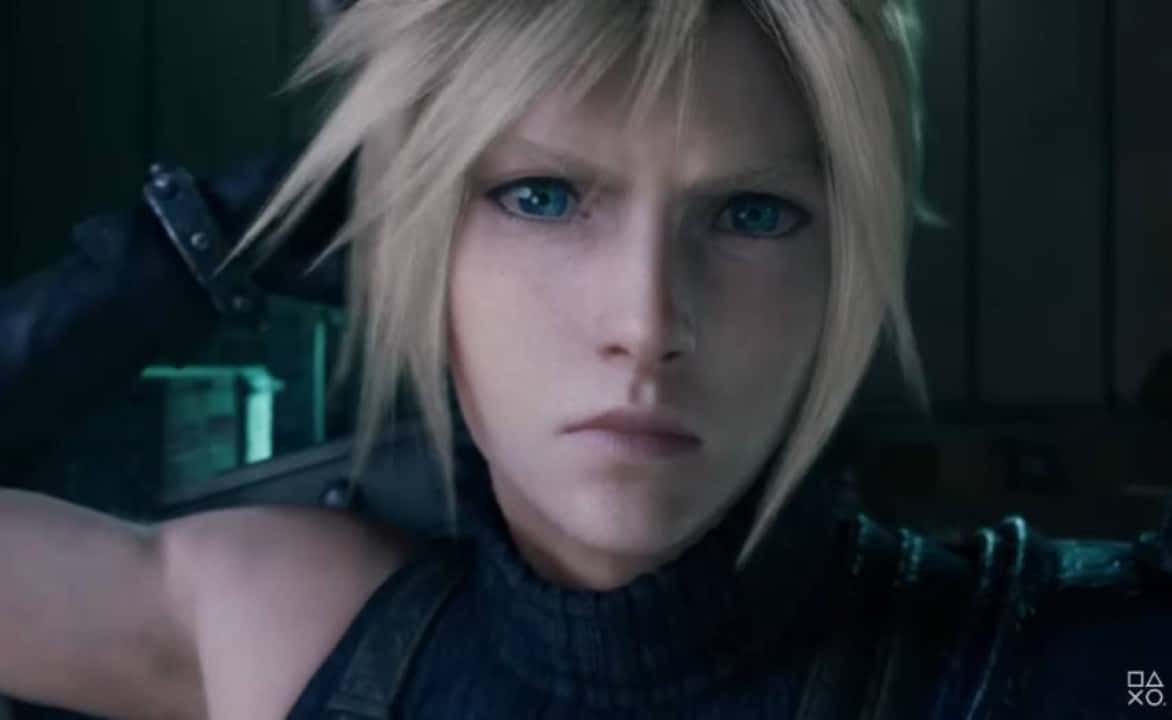
One of the greatest merits of the adaptation for Nintendo Switch 2 lies in maintaining the high fidelity of the character models and the immersive atmosphere of Midgar. The protagonists, such as Cloud, Aerith and Tifa, preserve an impressive level of detail, from the textures of their clothes to the complexity of their hair, something fundamental to the game’s narrative impact. In cut scenes and close-ups, the quality remains close to that of the PS5 version, ensuring that the emotional moments do not lose their strength. The game’s art direction plays a vital role in masking some of the technical limitations, with a cohesive design that maintains the believability of the world even with lower resolution textures in the background. Volumetric lighting, enhanced by DLSS, adds depth to the streets and reactors of Midgar, preserving the cyberpunk and oppressive aesthetic that defines the city. Asset management, such as loading objects remotely (pop-in), occurs in a similar way on both platforms, indicating that the graphics engine structure was well adapted to manage data streaming efficiently on the Nintendo hardware.
The advantage of portability in the new generation
The big difference between the version of Final Fantasy VII Remake Intergrade and Switch 2 is, without a doubt, its portability. In portable mode, the console dynamically adjusts the resolution to a level below 1080p to preserve battery life and maintain performance stability.
Even with the reduced resolution, the experience on the console’s smaller screen remains visually impactful, with readable texts and graphic details that remain sharp. The ability to take an adventure of this scale anywhere offers a new way to interact with the game, allowing for shorter sessions or longer journeys away from home, a flexibility that the PS5 cannot offer.
Full content of version Intergrade
It is essential to highlight that the port for Nintendo Switch 2 includes all the content of the Intergrade edition. Isso means that players have access not only to the enhanced base game, but also to the additional episode INTERmission, starring ninja Yuffie Kisaragi, ensuring content parity across platforms.
Experts’ verdict on the port
The initial reception from technical analysis experts has been mostly positive. The consensus is that Square Enix did a competent and ambitious adaptation job, pushing the limits of what was expected from the Switch 2 hardware for a debut game.
While direct comparisons reveal the PS5’s raw power advantages, the console version of Nintendo is praised for delivering a complete, visually cohesive experience that doesn’t compromise the original artistic vision. The decision between the versions therefore comes down to the player’s preference: opting for maximum graphical fidelity and fluidity on the PS5 or versatility and portability on the Switch 2.