

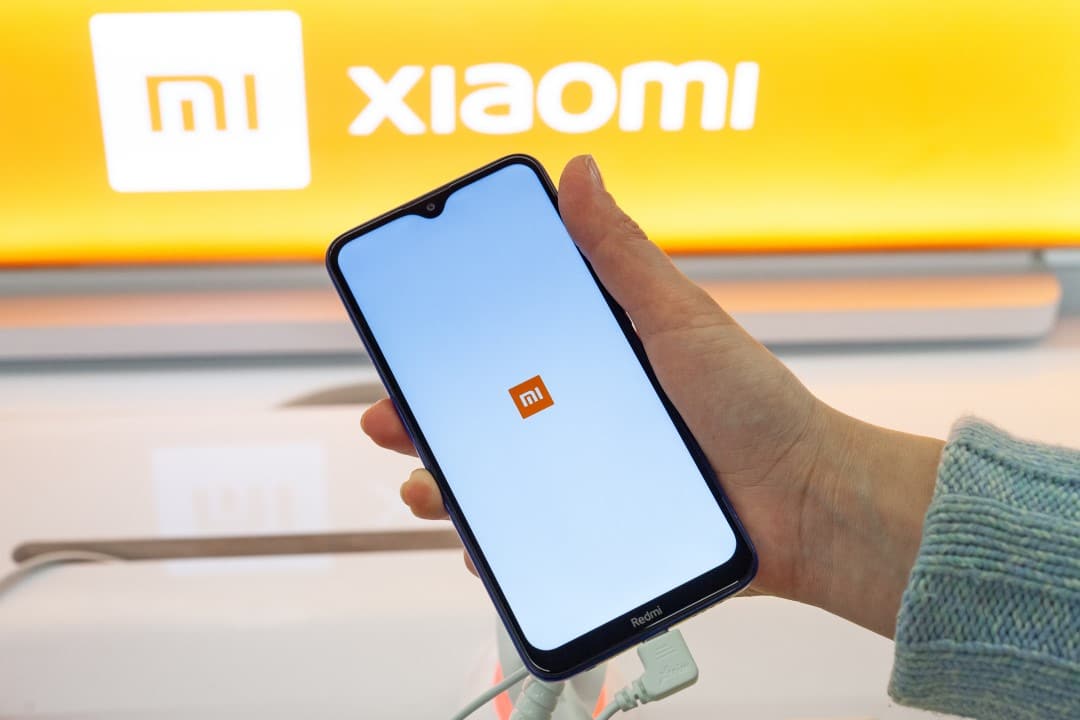
Xiaomi intensified the development of its new operating system by starting the second phase of recruitment for HyperOS 3 beta testing. The program, restricted to the Chinese market, was divided into two distinct waves throughout January, covering a total of 17 devices, including cutting-edge smartphones and tablets from the main brand and its subsidiary Redmi.
The technology manufacturer emphasizes that the version distributed at this stage is an early engineering build, which means that it still presents instabilities and potential failures. For this reason, the company strongly advises against installing it on devices for daily use, recommending that testers use a secondary device to evaluate new features and report problems found.
The selection process prioritizes the most recent flagship models, which have advanced hardware capable of exploiting the full potential of the new software. The feedback collected during this phase is considered crucial for refining the system, aiming to ensure a stable and optimized experience for the official launch to the general public in the coming months.

First wave devices
The first wave of testing, which began on January 22, focused on the latest and most powerful Xiaomi releases. The list includes the Xiaomi 17 series, with the models Ultra, Pro Max, Pro and the standard version, in addition to the Redmi K90 line, represented by the K90, Choosing these devices allows developers to evaluate the performance of HyperOS 3 under peak performance conditions, testing the limits of the software with the most modern processors and components available in the company’s portfolio.
In addition to smartphones, high-performance tablets were also included from the beginning, signaling Xiaomi’s strategy of unifying and improving the experience of its ecosystem. The models Xiaomi Pad 8 Pro and Xiaomi Pad 8 are part of this initial group. Chinese testers have already started sharing their first impressions on specialized forums, highlighting improvements in the fluidity of animations and system response, although they also report occasional bugs, something expected for an engineering version.
Second wave of access
To expand the reach of the tests, a second wave of recruitment was scheduled to take place until January 30th. Essa step expands the program to include flagship models from previous cycles, such as the Xiaomi 15 and Xiaomi 14 series, allowing the development team to collect data from a more diverse range of hardware configurations. The strategy is critical to ensuring system compatibility and optimization on older devices that are still widely used.
At this stage, the brand’s foldable smartphones, such as the Xiaomi MIX Flip 2, were also integrated into the beta program. The inclusion of these devices is vital for testing and refining optimizations specific to flexible displays, such as application continuity and the multitasking interface. The Redmi line also contributes the K80 Pro and K80 models, which offer a strong balance between performance and cost.
Special editions like the Titanium Edition of the Xiaomi 14 Pro, and older tablets like the Pad 7 Ultra round out the list of eligible devices. Essa comprehensive coverage ensures that the final version of HyperOS 3 is robust and compatible with most of the Xiaomi product ecosystem, minimizing issues after wide-scale release.
Features expected in HyperOS 3
HyperOS 3 promises to bring a series of visual and performance refinements. Conforme promotional materials from Xiaomi, the system has been optimized to offer smoother animations and more fluid screen transitions. Haptic feedback has also been improved, resulting in faster and more accurate interaction with the interface. Melhorias in power management are another important focus, with the aim of extending battery life even during intense use of applications and games.
The integration of features based on artificial intelligence is one of the main highlights of the new version. Espera More intelligent and proactive virtual assistants are expected to make it easier to perform everyday tasks. Connectivity between the different products of the Xiaomi ecosystem, a pillar of the company’s strategy, has been reinforced, allowing the transfer of files and the synchronization of information in a more transparent and efficient way between smartphones, tablets and other smart devices.
In the design field, the HyperIsland interface should introduce new visual elements, offering a renewed experience. Customization will also gain more options, especially on the lock screen and notification system. User data security has been strengthened with the implementation of new layers of encryption and more granular privacy controls, protecting sensitive information from unauthorized access.
Technically, the new builds are based on Android 16 for the latest models, while older devices will receive the update based on Android 15. Xiaomi performs careful optimization for each build, adapting the software to the specific hardware capabilities of each device to ensure the best possible performance.
Risks and recommendations for testers
Participating in a beta testing program, especially at an early stage such as an early engineering build, involves significant risks that users must consider. Xiaomi explicitly warns that these preliminary versions contain known bugs and may present severe instabilities, such as accelerated battery drainage, unexpected application crashes and closures, and even spontaneous device restarts. Therefore, the main recommendation is not to install the software on a device used as the main work or communication tool. Ideally, tests should be conducted on a secondary device, reserved for this purpose. Antes Before starting the update process, it is absolutely essential to perform a complete backup of all important data, including photos, documents and contacts, to avoid irreparable losses if a critical problem occurs that requires a complete system restore to factory defaults.
Full list of eligible models
The selection of devices for this second phase of HyperOS 3 testing is broad and reflects Xiaomi’s commitment to keeping its portfolio up to date. In total, 17 different variants between smartphones and tablets were included, ranging from the most recent launches to flagships from previous years. Entre the main winners are the complete series Xiaomi 17, Xiaomi 15 and Xiaomi 14, including their versions Pro and Ultra.
The Redmi line, focused on cost-benefit and high performance, is also well represented with models from the K90 and K80 series. The list is complemented by innovative devices such as the foldable Xiaomi MIX
Context of HyperOS evolution
Officially launched in 2023, HyperOS marked a new era for Xiaomi software, succeeding the well-known MIUI interface. The new system was designed with a central focus on creating a fully integrated and connected smart device ecosystem. Cada new annual version seeks to incorporate significant advances in performance, design and, mainly, in interoperability between cell phones, tablets, watches and other brand products.
Previous updates have already demonstrated this commitment by introducing improvements in connectivity and continuity of tasks between different devices. Após the completion of the testing phases in the Chinese market, the global user community eagerly awaits the announcement of the international release schedule, which usually occurs a few months after the domestic version has stabilized.
Participation in the beta program
The sign-up process for the HyperOS 3 beta program is restricted to users on China and is completed through the official Xiaomi community app. Interested parties must have an active Mi account and one of the eligible devices listed by the company. Participant selection is not automatic and occurs in limited batches, allowing the development team to maintain strict quality control over the feedback received and manage the flow of bug reports efficiently.