

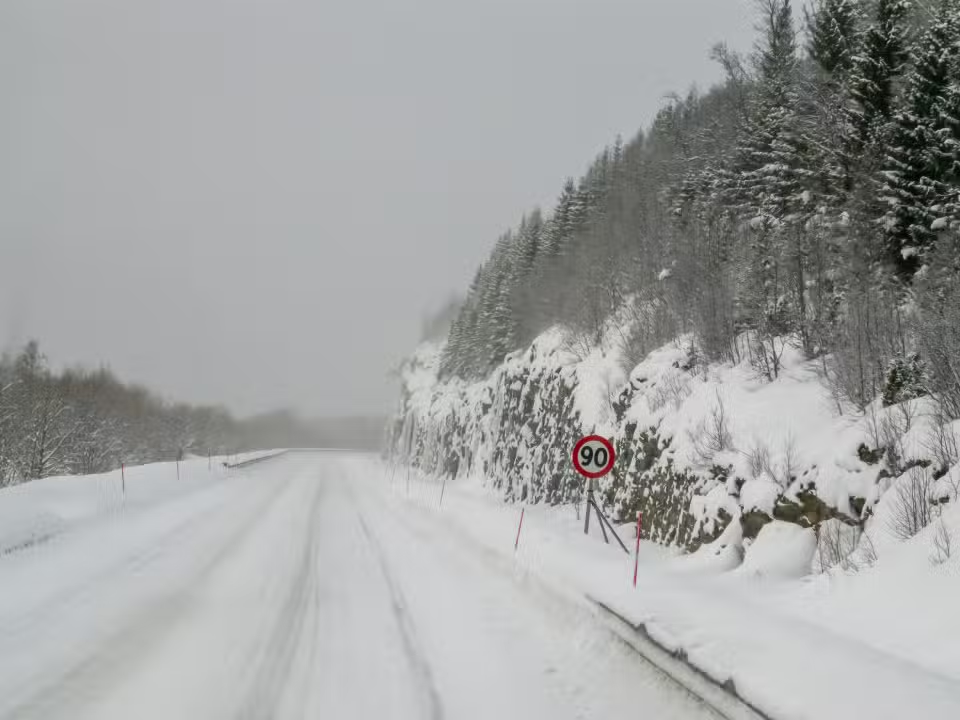
A severe winter storm has swept across a significant portion of the United States in early 2025, bringing dangerously low temperatures and widespread disruption. In Rhinelander, Wisconsin, thermometers registered a frigid -33°C (-27.4°F) on Sunday, according to the National Weather Service (NWS), as the extreme cold intensified across the Great Plains and beyond. This intense arctic front is exacerbating conditions across affected regions, leading to substantial accumulations of snow and ice, posing immediate threats to infrastructure and human well-being. The perilous weather has already left hundreds of thousands without power, raising serious concerns for those vulnerable to prolonged exposure in freezing conditions and highlighting the storm’s extensive reach and severe implications.
The storm’s rapid development has prompted an urgent response from federal and state agencies, which are coordinating efforts to mitigate the widespread impacts. Authorities are emphasizing the importance of staying indoors, conserving energy, and preparing for extended periods without essential services, particularly as the cold is forecast to persist for several days. Communities in the storm’s path are bracing for continued challenges, with resources being mobilized to support emergency shelters and restore critical services amidst the ongoing hazardous conditions.

Widespread Impact and Power Disruptions
The intense winter tempest has already left over 230,000 individuals without electrical power, primarily concentrated in regions such as western Texas where freezing rain has contributed to downed power lines and extensive infrastructure damage. Utility crews are working tirelessly under severe conditions to restore electricity, but the scope of the outages and the ongoing hazardous weather are complicating recovery efforts. The prolonged absence of heat in sub-zero temperatures presents a critical health risk for residents, particularly the elderly and those with pre-existing medical conditions, necessitating swift action and widespread community support.
Furthermore, the threat of power grid instability looms over eastern states as heavy snowfall is predicted to impact large metropolitan areas. The accumulation of ice and snow on power lines, coupled with high winds, creates a volatile situation that could lead to additional widespread outages, potentially paralyzing daily life for millions more. Emergency services are on high alert, preparing for a surge in calls related to carbon monoxide poisoning from improper heating methods and other cold-related emergencies.
Hazardous Travel Conditions Persist
Travel infrastructure across the United States has been severely impacted by the advancing storm, leading to extensive cancellations and closures. More than 14,800 flights have been canceled across major airports, stranding travelers and disrupting supply chains nationwide. Airlines are struggling to manage the backlog, with ongoing flight delays and further cancellations expected as the weather system moves eastward and intensifies.
In addition to air travel disruptions, numerous stretches of interstate highways have been closed. Dangerous road conditions, including whiteout blizzards, black ice, and heavy snow accumulations, have made driving perilous and, in many areas, impossible. State highway patrols and emergency crews are advising against any non-essential travel, working to clear roads where possible and assisting motorists who have become stranded in the extreme weather.
Emergency Declarations Across the Nation
Federal and state governments have swiftly responded to the escalating crisis. To date, seventeen states and the District of Columbia have officially declared states of emergency in response to the severe weather conditions, as confirmed by the Department of Homeland Security. These declarations unlock crucial federal aid and resources, allowing states to deploy emergency personnel, allocate funds for disaster relief, and implement necessary measures to protect public safety and infrastructure.
In a proactive measure, federal authorities approved emergency declarations for an additional ten states late on Saturday, anticipating the storm’s eastward progression. This widespread governmental response underscores the severity and broad reach of the winter storm, enabling a coordinated national effort to manage the crisis and support affected communities through relief and recovery operations. The unified approach aims to minimize the storm’s impact and expedite the restoration of normal services across the affected regions.
Meteorological Outlook for the Week Ahead
Meteorologists from the National Weather Service are forecasting an exceptionally extensive and long-duration winter storm, with projections indicating that two-thirds of the country will be affected by snow, sleet, and freezing rain, accompanied by dangerously low temperatures, through Sunday and into the coming week. The NWS has specifically warned of a widespread and heavy ice accumulation in the southeastern United States, where “impacts ranging from disabling to locally catastrophic” are anticipated. This region, less accustomed to severe winter weather, faces unique challenges in terms of infrastructure and preparedness for such events. Forecasts also predict record-breaking cold temperatures and dangerously low wind chills that will extend further into the Great Plains region by Monday, intensifying the threat of hypothermia and frostbite for anyone exposed to the elements without adequate protection.
Public Safety Warnings Amidst Extreme Cold
As temperatures continue to plummet, public safety officials are issuing urgent warnings and guidelines to mitigate risks associated with the extreme cold. Residents are strongly advised to remain indoors, minimize outdoor exposure, and dress in layers if venturing outside. Key safety recommendations include:
* Checking on vulnerable neighbors and family members, especially the elderly.
* Ensuring heating systems are functional and safe, avoiding the use of ovens or unsafe alternative heating methods indoors.
* Keeping emergency kits stocked with food, water, blankets, and a battery-powered radio.
The NWS emphasizes that prolonged exposure to the arctic air, coupled with high winds, can lead to frostbite in minutes and significantly increases the risk of hypothermia. These advisories are critical for public awareness and serve as vital reminders for preparation during this unprecedented cold snap.
Economic Fallout of the Winter Storm
The economic ramifications of this severe winter storm are already being felt across various sectors. The extensive cancellations of flights and closures of major roadways have brought transportation and logistics to a near standstill in affected areas, directly impacting supply chains and delaying the delivery of goods nationwide. Businesses, from small local shops to large corporations, are experiencing significant operational disruptions, including temporary closures and reduced productivity due to employee travel limitations and power outages.
Beyond immediate operational losses, the storm is expected to have a lingering effect on consumer spending and economic activity. Energy demands have surged, leading to increased utility costs for both residential and commercial consumers, placing additional financial strain on households already contending with other storm-related expenses. The damage to infrastructure, including power grids and public roads, will also necessitate substantial repair and recovery investments in the coming weeks and months, further contributing to the economic fallout.