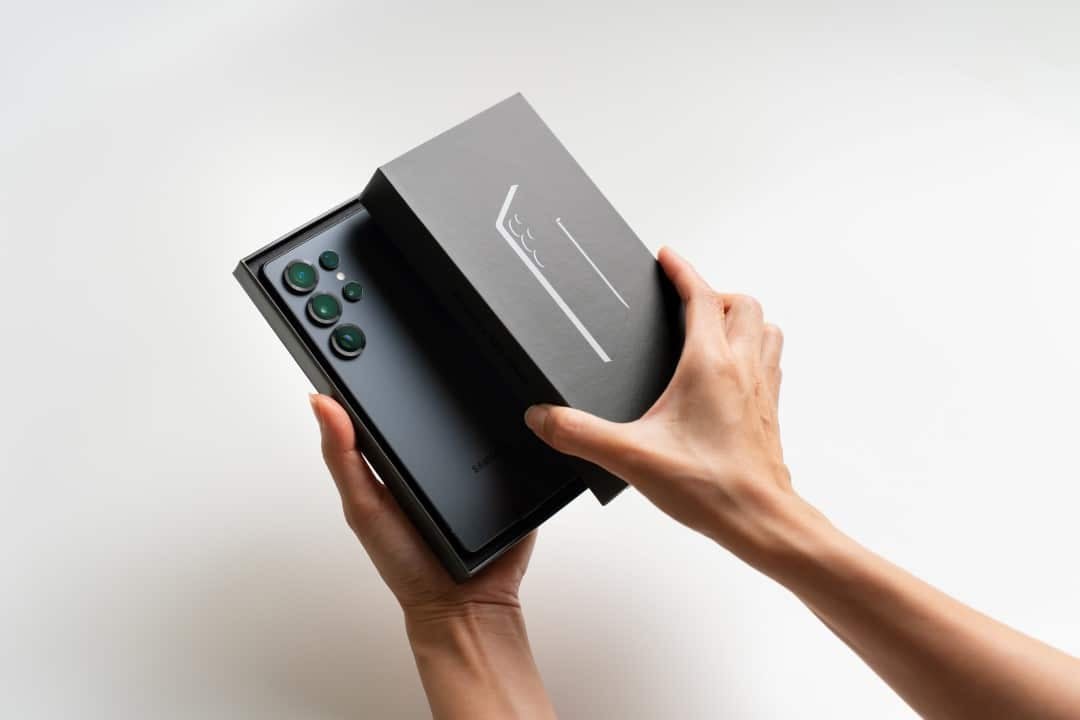
The Samsung reached the first position in the competitive smartphone market Android in the Japão throughout 2025, consolidating a significant turnaround. Dados of BCN
This result marks a notable change in the Japanese technology landscape. The previous year, the lead was held by the Google Pixel, followed closely by the Sharp with its popular AQUOS line. The rise of the South Korean manufacturer highlights the success of a strategy focused on portfolio diversity and adaptation to the demands of local consumers.
The growth was mainly driven by models with a strong cost-benefit appeal, such as the Galaxy A25 5G, which stood out among the best-selling devices of the period. The combination of modern features and affordable prices was essential for achieving first place.

The strategic turn of Samsung
The recovery of Samsung in the Japanese market was not an isolated event, but the result of a consistent effort to regain consumer confidence. Após years facing strong local preference for domestic brands like Sharp and the growing popularity of Google Pixel, the company adjusted its approach. The strategy involved the launch of a balanced portfolio, ranging from input devices to innovative foldables, ensuring options for different user profiles. Além In addition, Samsung strengthened partnerships with the country’s main telephone operators and invested in marketing campaigns that highlighted the durability and software features of its devices, such as the Galaxy AI suite, which became an important competitive differentiator. Essa combination allowed the brand to not only increase its sales volume, but also rebuild its image as a reliable and innovative manufacturer, reversing the trend of previous years, when it did not even appear in the top three positions.
The decisive role of the line Galaxy A
The Galaxy A series was the true protagonist behind the success of the Samsung in 2025. Este device in particular attracted consumers looking for a complete 5G experience without the high cost of high-end models. Suas specifications, including a high-quality AMOLED screen, long battery life and a versatile camera array, perfectly met the needs of the average Japanese user, who values functionality for everyday life and media consumption.
Consistency in A-line sales throughout the year ensured a continuous flow of market share, avoiding dependence on seasonal peaks generated by flagship launches. By offering longer software update support than many competitors in the same price range, the Samsung also conveyed a message of longevity and security, factors highly valued in the Japão. Essa strategy of focusing on the mid-range segment allowed the company to build a solid user base and compete aggressively in volume.
Performance of direct competitors
The Google, with its Pixel line, secured second place with a 17.4% share of sales of Android devices. The brand remains strong among technology enthusiasts who prioritize pure software experience and advanced computational photography capabilities. However, the limited variety of models and a less aggressive pricing strategy in the entry segment made it difficult to compete directly with the volume generated by the Samsung.
Sharp, a traditionally strong brand in the Japão, came in third place with 14.0% market share with its AQUOS line. The company still has a loyal customer base, but has struggled to compete with the global scale and marketing investments of its foreign rivals. The loss of ground to Samsung and Google indicates a growing challenge for local manufacturers.
The small margin between the top three positions demonstrates the highly competitive nature of the Japanese market, where brand loyalty is constantly tested by technological innovations and pricing strategies. Qualquer adjustments to the portfolio or communication can quickly change the ranking.
Innovation as a differentiator in the premium segment
Although mid-range models ensured volume, Samsung used its premium devices to reinforce its image as an innovative brand. Foldable smartphones, such as the Galaxy Z Fold7 and Z Flip7, will gain greater acceptance in the Japanese market in 2025. With thinner, lighter designs and greater durability, these devices have attracted a niche of consumers interested in cutting-edge technology and willing to pay more for it.
The integration of artificial intelligence resources, grouped under the Galaxy AI brand, was also an important differentiator in the models in the Galaxy S25 line. Ferramentas real-time translation, advanced photo editing and productivity assistants helped justify the higher value of these devices and positioned Samsung as a leader in software innovation, a field previously dominated by the Google.
Smartphone market dynamics in the Japão
The result reflects a broader movement in the Japanese technology market. In 2025, the smartphone sector showed signs of recovery, with an overall increase in sales driven by the continued migration from 4G to 5G networks. Esse update cycle motivated many consumers to exchange their old devices.
Japanese consumers, affected by a period of inflation, demonstrated a greater search for devices that offer a good balance between price and performance. Esse behavior directly favored Samsung’s strategy with the Galaxy A line.
The brand’s presence in large retail chains, such as Yodobashi Camera and Bic Camera, was crucial to guarantee visibility and access to the public across the country. The capillarity of physical distribution, combined with online sales channels, allowed Samsung to reach different buyer profiles.
Durability and long-term software support remain decisive criteria for consumers in the Japão. Marcas that manage to deliver this reliability, as Samsung demonstrated with its update policy, tend to gain public preference in the long term.
NCB Details Award
The BCN Award is one of the most respected awards in the electronics sector in the Japão, as its methodology is based on real sales data collected directly from large retailers and e-commerce platforms across the country. The analysis covers the period from January to December, offering a complete overview of brands’ performance throughout the year. Conquistar leadership in this award confers great prestige and validates the effectiveness of the winning company’s commercial and product strategy.
Analysis of the main models
The 2025 sales ranking was dominated by devices that combine functionality and competitive price. The Galaxy A25 5G from Samsung led as the best-selling series, confirming the strength of the mid-range segment. Sua’s popularity has been driven by offering an affordable 5G experience and robust specs for everyday use.
Close behind, the Pixel 9 series of Google has maintained solid performance, attracting users with its high-quality cameras and optimized software. The AQUOS line from Sharp completed the podium, supported by its reputation for screen quality and design aimed at the domestic market, although with lower volume than its direct competitors.
