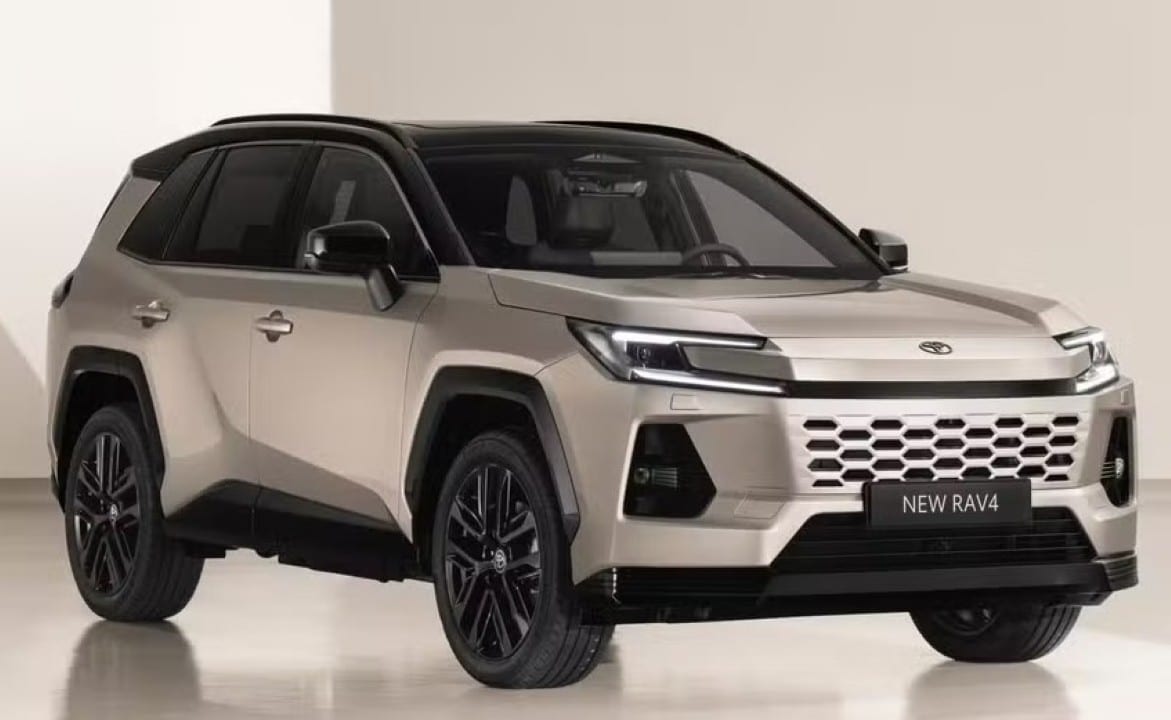
Toyota revealed the first specifications of the next generation of the RAV4, its most successful global sports utility vehicle. The model, scheduled for launch between the end of 2025 and the beginning of 2026, will pioneer the adoption of the Arene software platform, a centralized operating system that promises to transform the driving experience and technological longevity of the vehicle.
This new digital architecture, similar to that of computers and smartphones, will allow the SUV to receive constant updates remotely (Over-the-Air), improving everything from security systems to entertainment features without the need for physical intervention. The initiative positions the Japanese automaker at the forefront of the race for software-defined vehicles (SDV), a rapidly expanding segment.
In addition to the technological revolution, the new RAV4 will present a profound aesthetic renewal, with a more modern design and a completely redesigned interior to integrate new technologies in an ergonomic and intuitive way. The changes aim to consolidate the model’s leadership in the global market, now with a strong appeal to connectivity and digital personalization.
What is Arene operating system
The introduction of the Arene platform represents a key engineering milestone for the Toyota, decoupling hardware and software development to accelerate innovation. With this system, the RAV4 starts to function as an intelligent device on wheels, where the hardware serves as the basis for constantly evolving software. Funções such as driving assistants, voice recognition and navigation systems can be continually improved, ensuring that the vehicle does not become obsolete over time. The architecture is designed to drastically reduce the time between the conception of a new feature and its implementation in cars on the road, allowing owners to purchase or download improvements in real time. Essa flexibility is crucial to keep up with rapid advances in artificial intelligence and cloud connectivity, keeping the car secure and updated in an automated way.
Complete design and cabin transformation
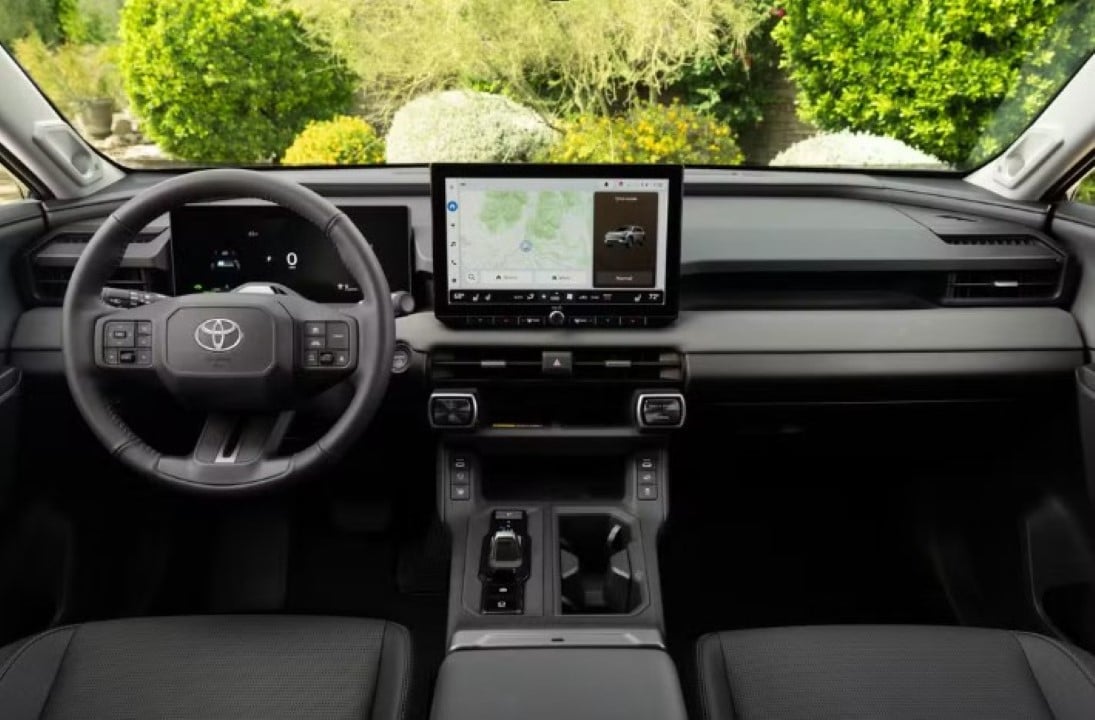
The interior of the new RAV4 has undergone a complete redesign to accommodate the Arene’s digital ecosystem, resulting in a cleaner, more modern environment focused on user experience. One of the most notable changes is the redesign of the gear lever, which adopts a more compact and intuitive format, freeing up valuable space on the center console. The instrument panel is now fully digital and seamlessly integrates with a state-of-the-art multimedia center, which serves as the main interface for the vehicle’s features.
Toyota also invested in updating finishing materials, prioritizing sustainable and soft-touch surfaces that elevate the SUV’s perception of quality. The design seeks a balance between the traditional robustness of the RAV4 line and technological sophistication that meets the demands of the modern consumer. The internal space for passengers and the trunk capacity have been optimized, benefiting from the new arrangement of electronic components that are more compact and distributed more intelligently throughout the car’s structure.
Enhanced security through remote updates
One of the biggest benefits of the Arene platform is the direct impact on the vehicle’s active safety. Driver assistance systems, such as autonomous emergency braking and lane keeping, will have their algorithms constantly refined through remote updates. Isso means the vehicle’s obstacle, pedestrian and cyclist detection capabilities may improve months after your purchase, based on data collected globally.
This continuous evolution ensures that the RAV4 is always equipped with the latest safety innovations, without the owner needing to visit a dealership. The accuracy of navigation systems has also been increased, with faster integration of real-time traffic data, preparing the SUV for future communication technologies between vehicles and urban infrastructure (V2X).
The new vehicle valuation paradigm
Toyota’s strategy with the new RAV4 aims to redefine the concept of automotive devaluation. By investing in a vehicle that remains technologically up to date, the brand hopes that the SUV will maintain a higher resale value over time. The possibility of adding new functions and digital service packages after purchase creates a new business model.
This “car as a service” approach is in line with industry trends, where the user experience is increasingly dictated by the digital interface. A second owner, for example, will be able to activate assistance features that were not purchased by the original owner, personalizing the vehicle according to their needs.
Always-on connectivity also enables much more effective predictive diagnostics, allowing the system to alert the driver and dealership of the need for maintenance before a failure occurs. Esse real-time monitoring increases reliability and extends the life of critical components.
Implications for the global SUV market
The RAV4 already holds the title of one of the best-selling SUVs in the world, and the introduction of such a disruptive technology as the Arene generates great expectations in the sector. By equipping its highest volume model with this platform, Toyota signals to the market that it is fully committed to leading the era of software-defined mobility.
The measure is seen as a direct response to the advancement of new automakers focused on technology, demonstrating that traditional giants can innovate at an accelerated pace. The public’s reception of this new concept will be crucial in dictating the brand’s future.
Automotive sector analysts predict that the success of this new generation of RAV4 will depend on the balance between the final price and the perceived value of the new digital features. The ability to offer a fluid, secure and useful user experience will be the main differentiating factor.
If the strategy is successful, the Arene platform should be implemented in other iconic Toyota models, such as the Corolla and Hilux, in the coming years, consolidating the company’s digital transformation on a global scale.
Features and user experience
The Arene platform goes beyond entertainment, exerting control over the vehicle’s dynamic systems. Isso allows fine adjustments to throttle response, suspension stiffness and steering to be made via software, enabling the driver to download different driving profiles to adapt to varying terrain or personal preferences.
The user interface is designed to be intuitive and minimize distractions, with a strong emphasis on intelligent voice commands and a logical organization of menus on the central screen. The removal of physical buttons was done carefully, maintaining essential controls to ensure ergonomics and safety while driving.
Technical architecture and digital security
Toyota has invested massively to ensure that the Arene architecture is robust and secure. The system has multiple layers of cybersecurity to protect vehicle and user data against digital threats. The processing hardware was designed with plenty of capacity to support software updates expected over the next decade, ensuring the longevity of the platform and the fluidity of the user experience throughout the entire life of the car.
