

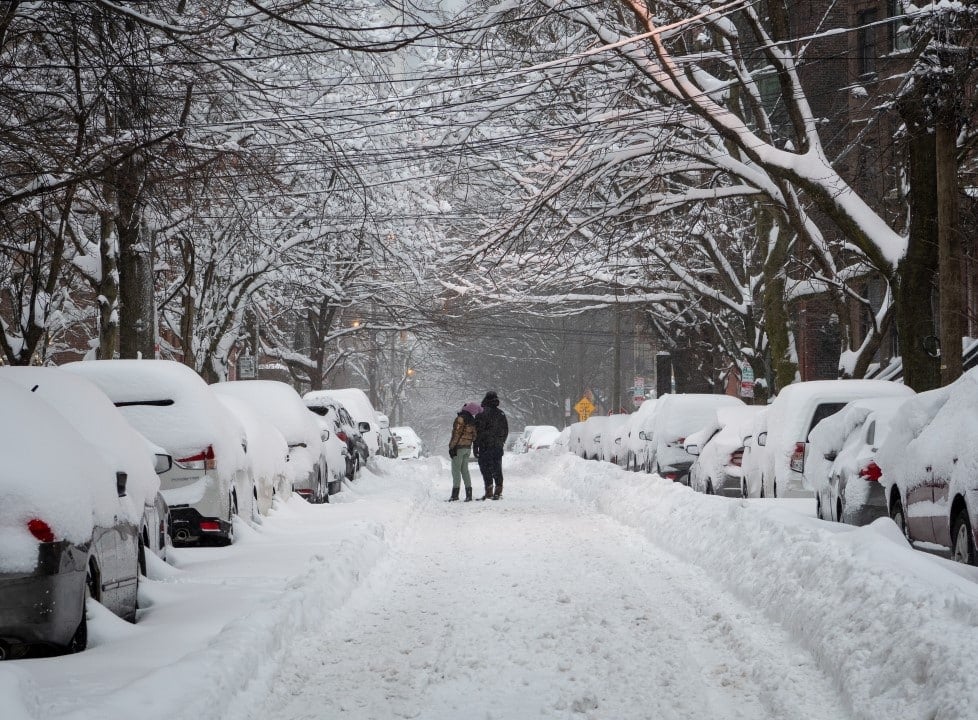
Most NJ Transit bus and rail services remained suspended this Monday, January 26, 2026, at Nova Jersey. The measure was adopted after the strong snowstorm that hit the region over the weekend.
The Newark and Hudson-Bergen light rail lines have resumed regular weekday schedules. Passengers, however, faced delays of up to 15 minutes due to the remaining conditions.
The River Line operated with limited service. The section between Waterfront Entertainment Center and Walter Rand Transportation Center, at Camden County, remained interrupted.
The Access Link paratransport service also remained suspended throughout the state. The decision aimed to guarantee the safety of users and operational teams.
Details of the suspension that began on Sunday
NJ Transit stopped bus services at 4am on Sunday, January 25th. The railway lines were disconnected around 2pm on the same day.
The agency’s teams worked throughout the night and into the early hours of Monday. Elas inspected tracks, stations and catenary wires throughout the system.
Work included removing accumulated snow and ice. The action covered the 165 track stations and assets on Northeast Corridor, operated by Amtrak.
Some trains and light rail vehicles ran without passengers. Essa operation helped keep lines and wires free of ice.

Impacts of storm Winter Storm Fern in the region
The storm, known as Winter Storm Fern, brought significant snow accumulations at Nova Jersey. Algumas areas recorded up to 30 centimeters of snowfall.
The mix of snow, sleet and freezing rain complicated road conditions. Milhares of flights were canceled at airports in the region, including Newark.
The main highways had sections with ice accumulation. Autoridades recommended that drivers avoid unnecessary trips.
The storm affected millions of residents in the northeast of Estados Unidos. Pelo minus 17 states recorded accumulations of at least 30 centimeters of snow.
Light rail services with partial resumption
Lines Newark Light Rail and Hudson-Bergen Light Rail returned to normal operating hours on Monday. Passengers needed to check constant updates.
The River Line maintained reduced operations on part of the route. The suspension in the south of the state remained until further assessment of conditions.
- Newark Light Rail: regular schedule, delays possible;
- Hudson-Bergen Light Rail: normal operation with monitoring;
- River Line: Limited service north of Camden County.
These lines serve dense urban areas. The partial resumption helped commuters who depend on daily public transport.
Cleaning and inspection efforts underway
Teams from NJ Transit were working since the early hours of Monday morning. Workers removed snow from platforms and tracks.
The infrastructure inspection included checking signs and electrical systems. The priority was to ensure safety before full release.
The agency coordinated actions with Amtrak in Northeast Corridor. Essa partnership speeded up the evaluation of shared lines.
Work continued at stations and maintenance yards. Veículos special systems operated to melt ice on the power wires.
Guidance for passengers during the interruption
NJ Transit recommended constant consultation of the official website and mobile application. The information was updated in real time.
Users should be careful when approaching stations and platforms. Áreas with remaining snow presented a risk of slipping.
Alternatives such as carpooling or remote work were suggested. Muitos employers have adopted flexibility throughout the day.
The agency warned that empty vehicles could circulate. Essa preventive measure prevented future accumulation of ice in the lines.
Transport system context at Nova Jersey
NJ Transit operates 12 commuter rail lines throughout the state. The system connects Nova Jersey to Nova York and Filadélfia daily.
More than 500 thousand passengers use the services on normal working days. The network includes hundreds of bus routes in cities and counties.
Light rail lines serve specific metropolitan areas. Elas complement heavy transport in high-density regions.
The Northeast Corridor is one of the busiest routes in the Estados Unidos. Milhares trains from Amtrak and NJ Transit run there every day.
Accumulated snow recorded in cities
Several locations in Nova Jersey showed significant accumulations during the storm. The values varied depending on the region of the state.
- Newark: about 28 centimeters;
- Trenton: up to 25 centimeters;
- Jersey City: approximately 30 centimeters;
- Atlantic City: mix with less snow, about 15 centimeters.
This data reflected measurements through Monday morning. Algumas northern areas recorded the highest totals.
The precipitation began on Saturday night and intensified on Sunday. The transition to hail occurred in southern counties.
Forecasts for gradual resumption of services
NJ Transit planned a phased resumption throughout the day. Continuous evaluation determined the release of specific lines.
Authorities were monitoring residual weather conditions. Temperaturas lows maintained the risk of ice formation on the roads.
The agency prioritized the safety of passengers and employees. Qualquer release was dependent on successfully completed inspections.
Updates were released through official channels. Commuters received direct notifications through the app.
Importance of public transport in the region
The NJ system Transit is essential for mobility in Nova Jersey. Milhões of displacements occur weekly on the operated lines.
The interruption directly affected workers who depend on daily service. Muitos residents commute to nearby urban centers.
The network integrates buses, rails and light rail into a single system. Essa connection makes travel easier across the state and beyond.
Winter storms are recurrent in the region. The agency has established protocols for adverse situations.