
The launch of the iPhone 17 in September 2025 brought to the market a new entry-level option from the Apple, but it did not overshadow the brilliance of its predecessor, the iPhone 16 Pro. Lançado in 2024, the Pro model continues to be a strategic choice for consumers seeking a balance between innovation and cost, especially in the Brazilian market, where price differences are minimal but feature advantages are significant.
For professional users and technology enthusiasts, the purchasing decision goes beyond the year of launch. The camera specifications, processing capacity and data transfer speed place the iPhone 16 Pro in a superior category, justifying its relevance even with a new base model available. A detailed analysis of the components reveals that the older device offers a more robust and versatile set for intensive tasks.
Apple guarantees operating system updates, such as iOS 26, for both models, leveling software support and security. However, the hardware differences are permanent and directly impact the daily usage experience, from capturing a zoomed-in photo to editing a high-resolution video, making the 16 Pro a longer-lasting investment option for those who demand the most from their device.
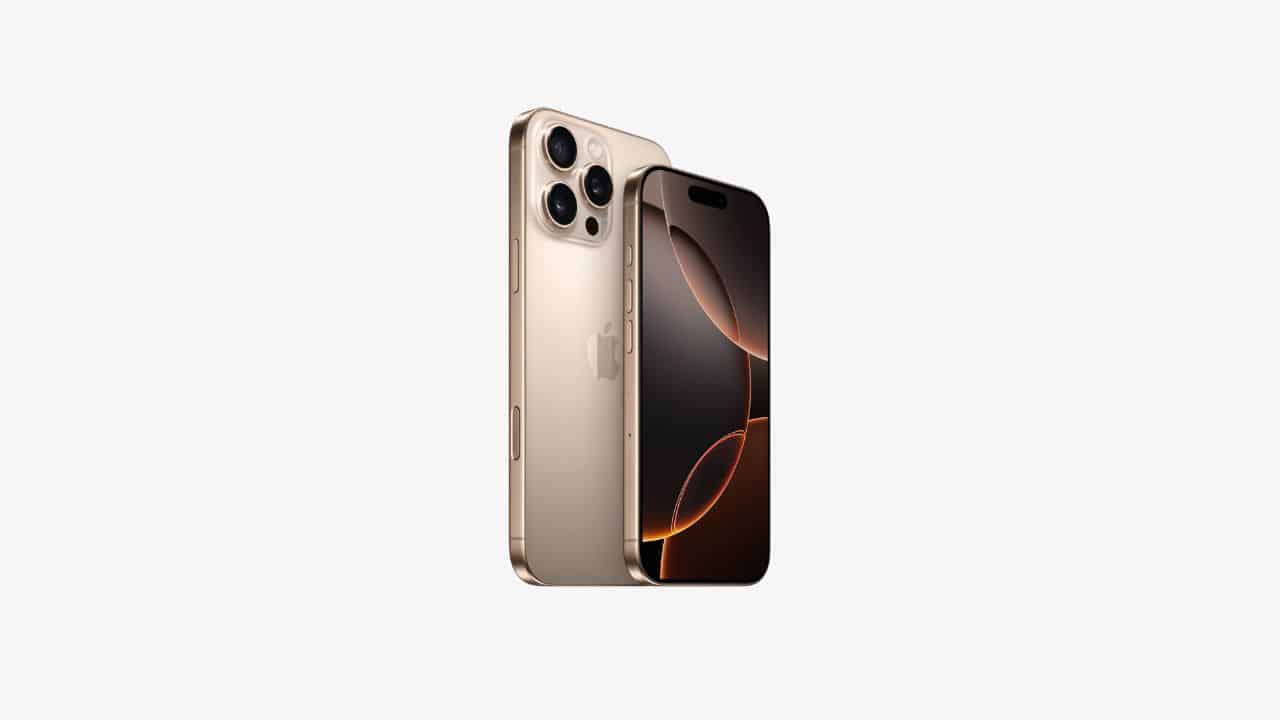
Professional camera system defines the choice
The main advantage of the iPhone 16 Pro lies in its photographic system, designed to compete with dedicated cameras. The device is equipped with a 12 MP periscopic telephoto lens that offers 5x optical zoom, a feature completely missing from the iPhone 17. Além Additionally, the 16 Pro’s larger sensor significantly improves performance in low-light conditions, resulting in clearer, less noisy photos indoors or at night. Para content creators and video professionals, the ability to record in Dolby Vision at 4K and 120 frames per second (fps) is a decisive differentiator, allowing the creation of slow-motion videos with fluidity and cinematic quality. On the other hand, the iPhone 17 is limited to 60 fps in the same format, restricting creative possibilities in post-production and delivering a less professional result for projects that demand high video performance.
Advantages in transfer and connectivity
File transfer speed is a critical factor for professionals who deal with large volumes of data, such as photographers and video editors. The iPhone 16 Pro stands out by supporting the USB 3 standard, which allows transfers of up to 5 Gbps through its port. Isso means that moving 4K videos or high-resolution photo shoots to a computer or external hard drive is a much faster task.
By comparison, the iPhone 17 uses the USB 2 standard, an older and considerably slower technology that can create significant workflow bottlenecks. Essa speed difference not only saves time, but also expands the iPhone 16 Pro’s compatibility with a wider range of high-performance external accessories, consolidating it as a more efficient work tool.
Processor and battery comparison
At the heart of the iPhone 16 Pro is the A18 Pro processor, built with 3 nanometer lithography and operating at 4.05 GHz. The iPhone 17, in turn, comes with the A19 chip, which reaches a frequency of 4.26 GHz.
The efficiency of the A18 Pro, combined with 8GB of RAM, ensures that the iPhone 16 In terms of autonomy, the Apple reports that both devices offer up to 29 hours of video playback. However, in real and intensive use scenarios, the energy management of the Pro model proves to be slightly superior, maintaining stable performance for longer.
Current storage options and pricing
Storage flexibility is another strong point of the iPhone 16 Pro. The model is available in variants ranging from 128 GB to 1 TB, catering to different user profiles, from those who need basic space to professionals who store large media files. Essa variety allows the consumer to choose the option that best fits their needs and budget.
The iPhone 17, on the other hand, has the 256 GB model as an entry option, without a version with a smaller capacity. If the starting price for the Brasil is slightly lower, around US$ 1,440, compared to US$ 1,460 for the 16 Pro with 128 GB, this strategy ends up increasing the effective cost for those who do not need as much storage space.
The small difference in value does not compensate for the lack of professional features, making the cost-benefit of the iPhone 16 Pro more attractive to a more demanding audience. Além Furthermore, operators offer discounts that can reach US$100 when exchanging an old device for the Pro model, further increasing their competitiveness.
Technical details that differentiate the models
The iPhone 16 Pro features superior construction, with a titanium frame that makes it lighter and resistant to drops, weighing just 187 grams. Sua 6.3-inch Super Retina XDR display reaches a peak brightness of 2,000 nits, making it easy to view in bright sunlight.
This brightness surpasses the 1,600 nits of the iPhone 17, providing a more pleasant visual experience outdoors. Embora both models support technologies such as HDR10 and Dolby Vision, the color calibration on the Pro model panel is more accurate.
Additional features like spatial audio with enhanced noise cancellation contribute to a more immersive multimedia experience on iPhone 16 Pro.
Integration with the Apple Intelligence is the same on both devices, but the hardware details of the 2024 model add up to offer a more refined and professional everyday use.
Advanced photography performance
The 48 MP main and ultrawide lenses on the iPhone 16 Pro are designed to capture a greater amount of light, which translates into more detailed photos with more vivid colors, especially indoors. The 5x optical zoom allows users to capture high-quality close-ups at events, concerts or in nature without needing to get physically close to the subject, a practical advantage that the iPhone 17’s digital zoom can’t match.
Performance in daily tasks and games
Thanks to its 8GB of RAM and optimized A18 Pro chip, the iPhone 16 Pro handles heavy apps like Photoshop and graphically intense games without any sign of slowdown. Testes real-world usage shows that the Pro model is about 10% more efficient when switching between multiple open applications, offering a more fluid multitasking experience.
Although the iPhone 17 performs similarly in daily benchmarks, the 16 Pro’s architecture is designed to sustain high performance for extended periods, which is crucial for gamers and professionals. The Apple’s ongoing software updates ensure that both models will remain fast and secure in the future, but the Pro’s hardware foundation provides a greater margin of safety for applications to come.
Accessories and ecosystem considerations
Both models integrate perfectly into the Apple ecosystem, offering full compatibility with accessories such as AirPods and Apple Watch. The user experience is cohesive, with automatic data synchronization and features that complement each other between devices.
However, the iPhone 16 Pro offers small advantages, such as slightly faster charging with MagSafe accessories, optimizing the routine of those who depend on quick recharges throughout the day. Varejistas often offer promotional packages that include cases and chargers for an additional $40 when purchasing the Pro model, adding even more value to the choice.
