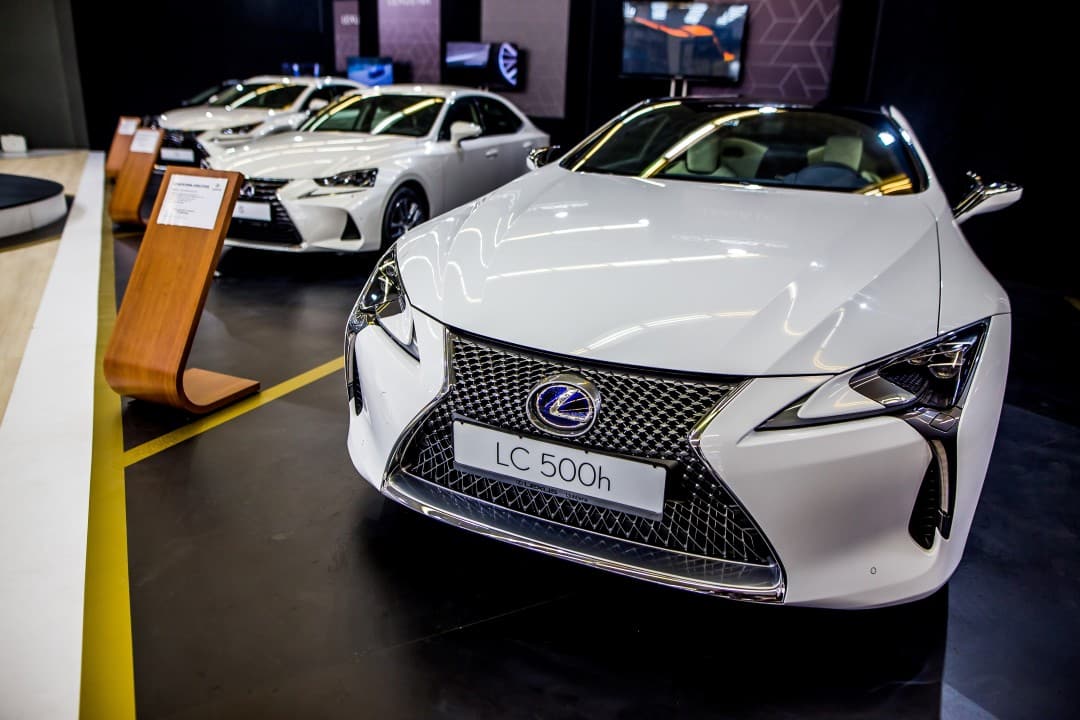
A detailed analysis carried out by an influential Japanese publication specializing in the automotive sector, in its December 2025 edition, identified a select list of current vehicles with high potential to become valuable classics in the next decade. At the top of this selection is the Lexus LC luxury coupé, a model that, despite discreet sales, brings together features that make it a strong candidate for appreciation in the collectors’ market.
Alongside the Lexus sports car, there are specific versions from other manufacturers, such as the Nissan X-Trail in its recently launched Rock Creek variant and the compact sports car Daihatsu Copen GR Sport. The selection is based on vehicles that, for different reasons, may not have achieved massive commercial success, but which have unique attributes that are likely to be rediscovered and celebrated in the future.
The study considers a series of determining factors, including the exclusivity of production, the mechanical performance of its engines (especially those that are on the verge of extinction) and the imminent end of their commercial cycles. Este phenomenon of delayed recognition is common in the automotive world, where the true importance of a model only becomes clear when it becomes scarce.
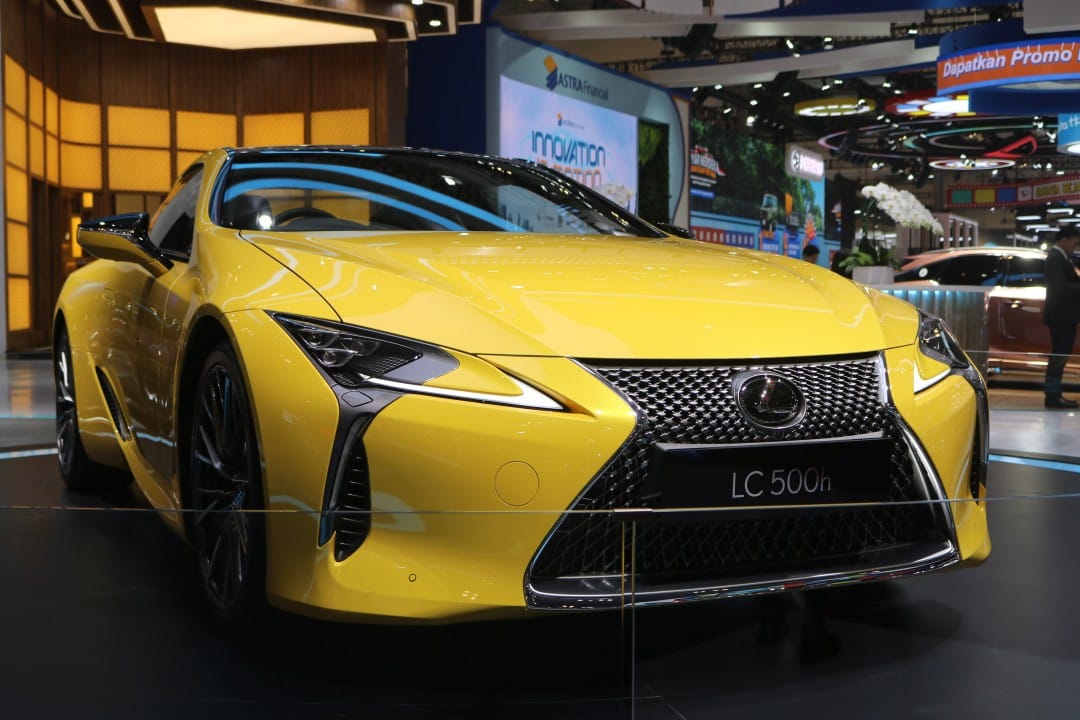
The luxury coupé that defied perceptions
Originally launched in 2017, the Lexus LC stood out for offering a proposal that balances luxury, bold design and surprising dynamic performance. Equipado with a 5.0 naturally aspirated V8 engine, capable of delivering 477 horsepower, coupled to a 10-speed automatic transmission, the model was widely praised by the specialized press for its refined and engaging driveability. Essa mechanical combination, increasingly rare in a market dominated by electrification and smaller displacement turbo engines, is one of its greatest assets for the future. The LC was fundamental in repositioning the perception of the Lexus brand, breaking the stigma of being just a manufacturer of comfortable and silent vehicles, proving its ability to create a grand tourer with soul and performance. Rumores persistent in the sector indicate that the current generation is approaching its end, and a successor, possibly electrified, would already be in development. Essa imminent technological transition serves as a trigger for increased interest in the combustion engine model, seen as the last in a purist lineage. Modest sales, both in Japão and in international markets, paradoxically contribute to its appreciation potential, as they guarantee a low supply of units in good condition in the future.
Special editions and the exclusivity factor
One of the highlights of the list is the Rock Creek variant of the Nissan X-Trail, introduced on the market in August 2025. The analysis points out that limited editions or different finishing packages, such as the Rock Creek, tend to appreciate in value more quickly than conventional versions. The restricted production and specific visual appeal create a market niche that, over time, translates into greater demand from enthusiasts and collectors looking for a vehicle with its own identity that stands out from the crowd.
At the same level of interest is the Daihatsu Copen GR Sport. The Este model belongs to the category of “kei cars”, ultra-compact vehicles that follow specific size and engine regulations in the Japão. What makes it special is its genuine sporty configuration, with rear-wheel drive, a low center of gravity and a total weight of less than 900 kg, characteristics that guarantee a pure and agile driving experience. Desenvolvido in partnership with Gazoo Racing, the performance division of Toyota, the Copen GR Sport is one of the last representatives of a design philosophy focused on fun behind the wheel, something that is increasingly rare. Sua niche nature and the excellence of its mechanical design position it as a future cult classic.
Criteria for appreciation in the future
The analysis that put these models in the spotlight was based on a set of clear criteria that historically drive the value of a vehicle in the classics market. The main one is limited production, either through special numbered series or through a naturally low sales volume during the car’s life cycle.
Another crucial factor is the presence of technologies in transition. Motores high-displacement aspirated engines, like the V8 in the Lexus LC, are becoming museum pieces in the age of electrification. Carros that represent the pinnacle of a soon-to-be-replaced technology often become icons for purists.
Timeless design and premium build quality are also essential. Modelos with lines that age well and a durable, sophisticated interior finish maintain their appeal for decades, attracting collectors who value both aesthetics and engineering.
Finally, market dynamics play a key role. A low sales volume in the present, often seen as a commercial failure, ends up generating future shortages which, combined with nostalgic demand, raises prices significantly.
The used market is already showing its first signs
The first signs of this appreciation trend are already observed in the Japanese market. Colecionadores and enthusiasts began actively searching for well-maintained Lexus LC units, with a clear preference for rare configurations and special colors.
A notable example is the Structural Blue package, a special paint whose application is a complex process that can take up to eight months, resulting in a unique tone and depth of color. Exemplares equipped with this option are already disputed. In the pre-owned market, units from the years 2023 and 2024 have stable prices or even a slight increase in relation to the list value of a new model, a strong indication that the depreciation curve has inverted and the appreciation phase has begun.
Threats and competition on the horizon
A model’s future classic status, however, is not static and can be influenced by future releases. A clear example is the case of Daihatsu Copen, whose appeal may be challenged by a new concept.
At the 2025 Japan Mobility Show, Daihatsu showcased the K-Open prototype, which also adopts the coveted FR configuration (front engine, rear wheel drive). Once this concept reaches the production line, it will naturally attract the spotlight and be able to compete directly for the attention of enthusiasts.
Despite this potential internal competition, experts believe that the current version of the Copen GR Sport will maintain its unique appeal. Ele will always be remembered as one of the last and most authentic sports “kei cars” of its generation, which should solidify its place in the collector’s garage.
Other models in the sights of experts
The Japanese publication’s complete list is extensive, including approximately 20 vehicles that share the appreciation potential. Entre are commemorative and farewell editions of models of the Toyota and Honda, which were launched in strictly limited runs throughout 2025 and which have already sold out at dealerships, fueling a heated secondary market.
The logic behind delayed recognition
The central criterion that unites all the vehicles on the list remains consistent: they are cars with exceptional engineering, design or performance qualities that, for various reasons, did not achieve a large sales volume in their time. Fatores such as internal competition within the brand itself, challenging price positioning or simply unfavorable market timing may have limited its initial commercial success.
The publication concludes that the true value of certain models only reveals itself over time. This is when the supply of new units disappears and a new generation of enthusiasts, driven by nostalgia and the desire to own something unique, begins to seek them out. Nesse moment, the car that was once underestimated in the showroom turns into a coveted collector’s item.
