

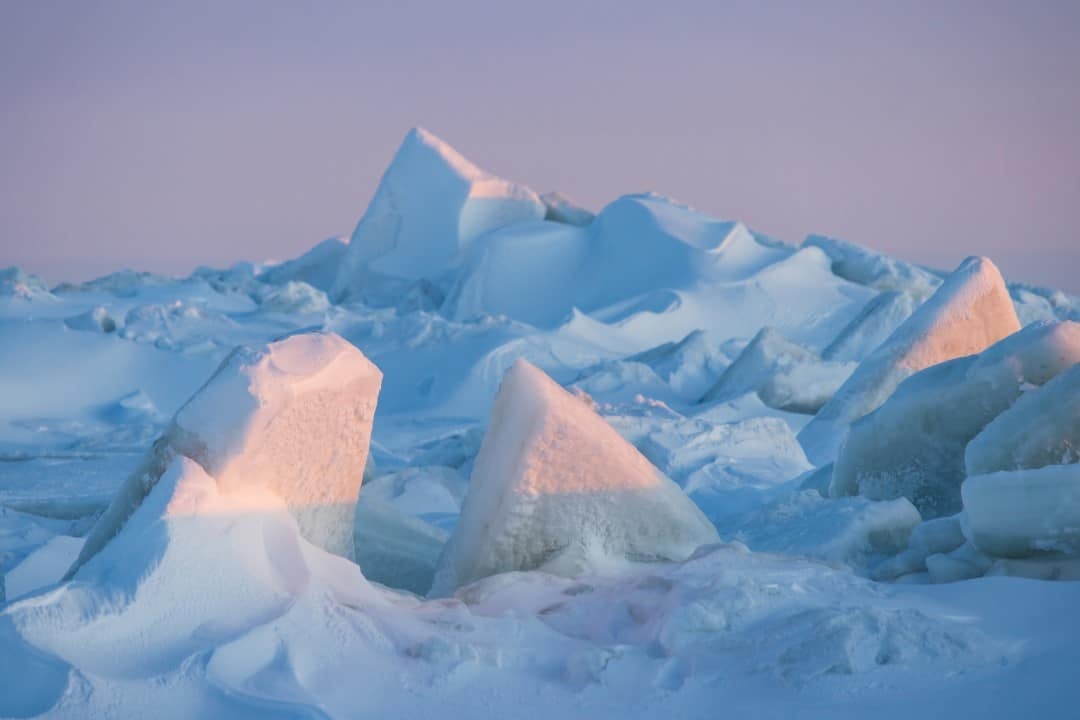
Ártico records a significant increase in the frequency of extreme weather events in recent decades. Pesquisa international published in the magazine Science Advances analyzed data from more than 70 years and identified an abrupt change from the 1990s onwards.
These extremes include heat waves, prolonged droughts, rain on snow, and intense winter warming. Eles directly affect ecosystems adapted to cold, stable conditions in the north polar region.
The change in climate pattern occurs in about a third of the Earth’s Arctic area. Regiões as well as Sibéria Central, the west coast of Escandinávia and the coast of Groenlândia have a higher incidence of these phenomena.
Research methodology
Researchers examined daily temperature and precipitation data collected since the 1950s. The focus was on short-term variations that do not appear in traditional monthly or annual averages.
This approach made it possible to detect specific extreme events in different seasons. The results show clear acceleration in the last 30 years compared to previous periods.
- More frequent heat waves in summer;
- Intense droughts in tundra areas;
- Episodes of rain over snow in winter;
- Sudden warming that changes ice cover.

Most affected regions
Sibéria Central concentrates the greatest number of extremes combined throughout the year. Lá, heat waves and droughts occur with a regularity that was rare until the 1980s.
On the west coast of Escandinávia, winter warming and rain over snow predominate. Esses events modify the duration of snow cover and affect seasonal vegetation cycles.
The coast of Groenlândia records an increase in liquid precipitation over layers of snow. Essa transformation creates ice barriers that alter access to resources in the frozen ground.
These areas function as critical points where climate change manifests itself more intensely. Continuous Monitoramento in these zones provides early indicators of global trends in the Ártico.
Rain on snow phenomenon
Warm rain falling on layers of snow forms impenetrable ice crusts on the ground. Essa barrier prevents animals such as reindeer from reaching essential lichens and plants during winter.
Episodes of this type have increased in frequency in various parts of the terrestrial Ártico. Eles cause high mortality in populations of herbivores adapted to soft and accessible snow.
With continued warming, projections indicate a greater occurrence of liquid precipitation in winter. Essa change alters survival patterns of species that depend on stable cold conditions.
The phenomenon contributes to imbalances in tundra food chains. Predadores and other species feel indirect effects from the reduction in available prey.
Vegetation loss in the tundra
The darkening of Ártico advances with the death of plants in large areas of tundra. Eventos extremes accelerate this process by exceeding tolerance limits of plant species.
Prolonged droughts and heat waves cause water stress in mosses and shrubs typical of the region. Aquecimentos winters remove snow insulation and expose roots to low temperatures without protection.
These changes reduce vegetation cover that maintains stable permafrost soil. Greater exposure accelerates melting and releases carbon stored for millennia.
Additional research records episodes of browning in previously productive areas. Vegetation recovery becomes more difficult with the recurrence of extremes.
Changes in permafrost
Permafrost thaw intensifies with extreme warming events. Permanently frozen Solo loses stability and causes subsidence in several regions.
This release of greenhouse gases creates a feedback loop in global warming. Metano and stored carbon dioxide amplify average temperatures.
Recent monitoring shows acceleration of the process in tundra and arctic taiga zones. Mudanças affect human infrastructure in northern populated areas.
The carbon balance in the region changes from sink to potential source. Essa transition impacts global climate emissions projections.
Need for expanded monitoring
Weather station networks remain limited in remote areas of Ártico. Expansão of monitoring provides essential data for understanding local trends.
Satellites and remote sensors complement ground information in difficult-to-access regions. Integração of these systems improves the accuracy of regional climate models.
Researchers recommend investing in continuous observation infrastructure. Dados details allow us to anticipate impacts on ecosystems and indigenous communities.
Consequences for polar ecosystems
Species adapted to extreme cold face conditions never recorded in their evolutionary history. Essa exposure alters survival and reproduction rates in animal populations.
Tundra flora records changes in composition with the advancement of species that are more tolerant to variations. Processo modifies the general structure of Arctic ecosystems.
Changes affect ecosystem services such as carbon and water regulation. Essas functions influence weather patterns at mid- and low-latitudes.
Rapid transformation requires longitudinal studies to assess resilience of polar systems. Dados accumulated guide conservation strategies on a regional scale.